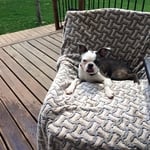
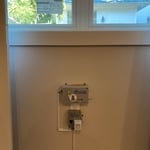
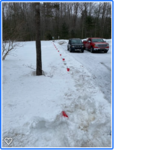
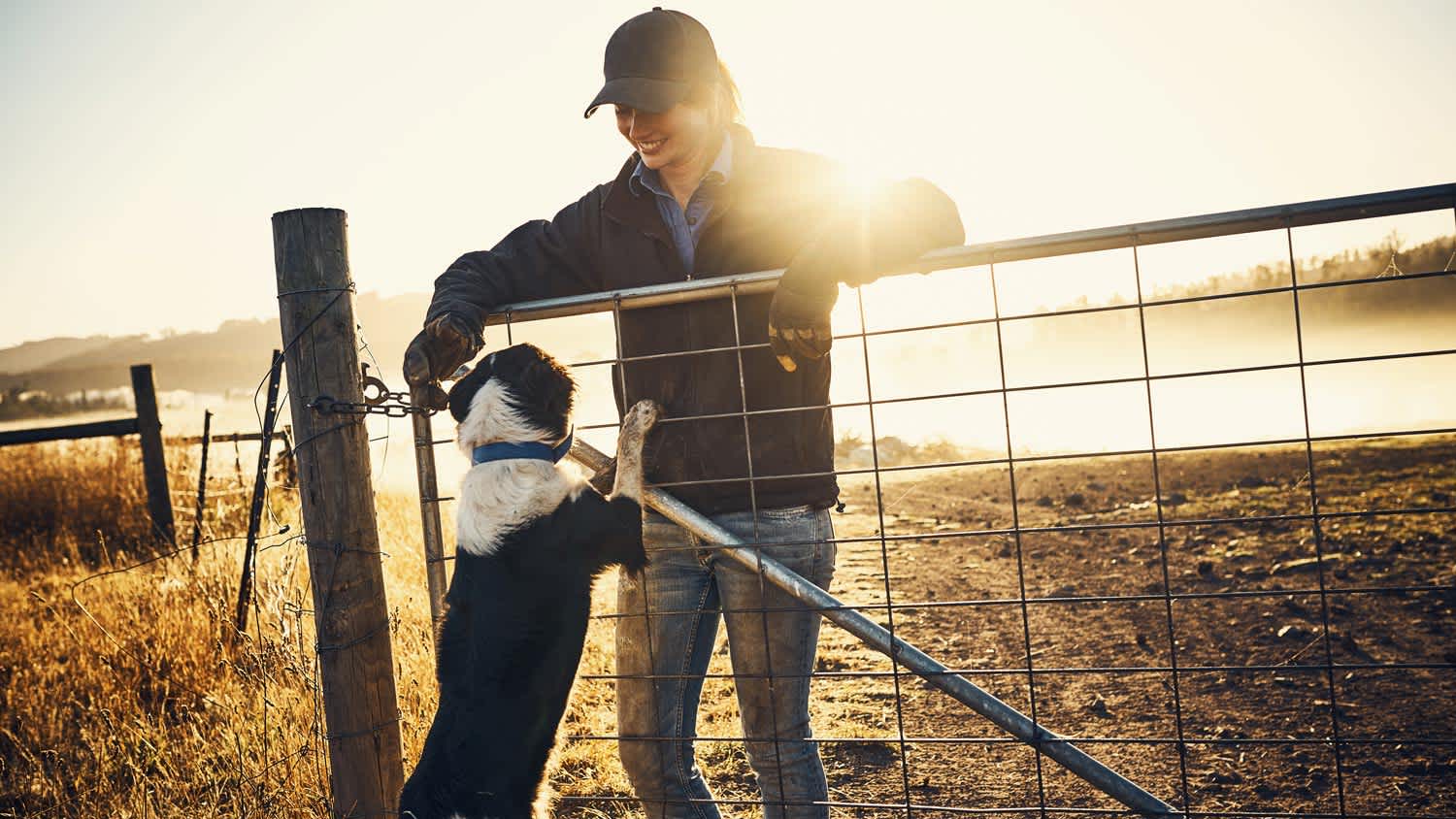
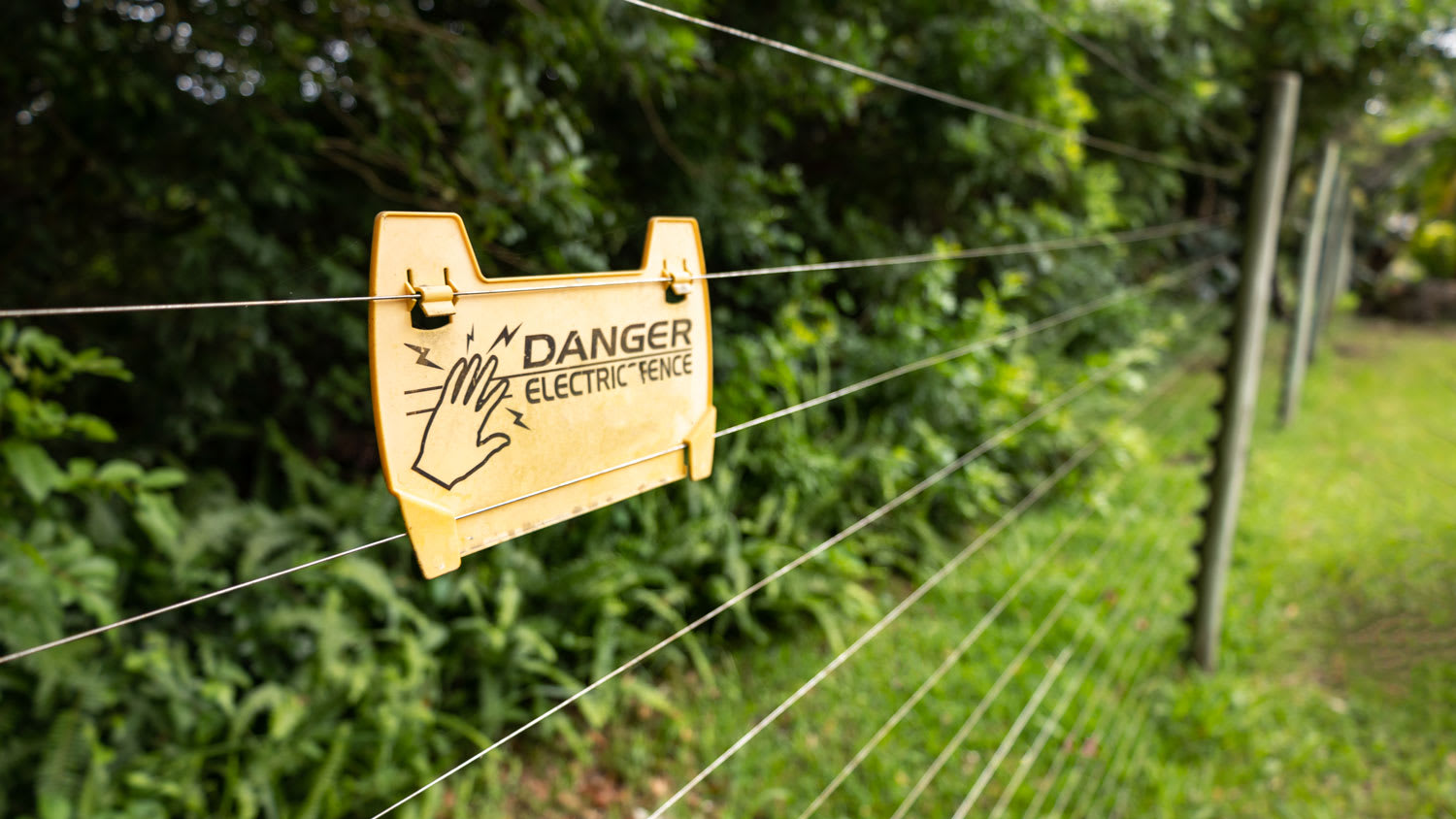
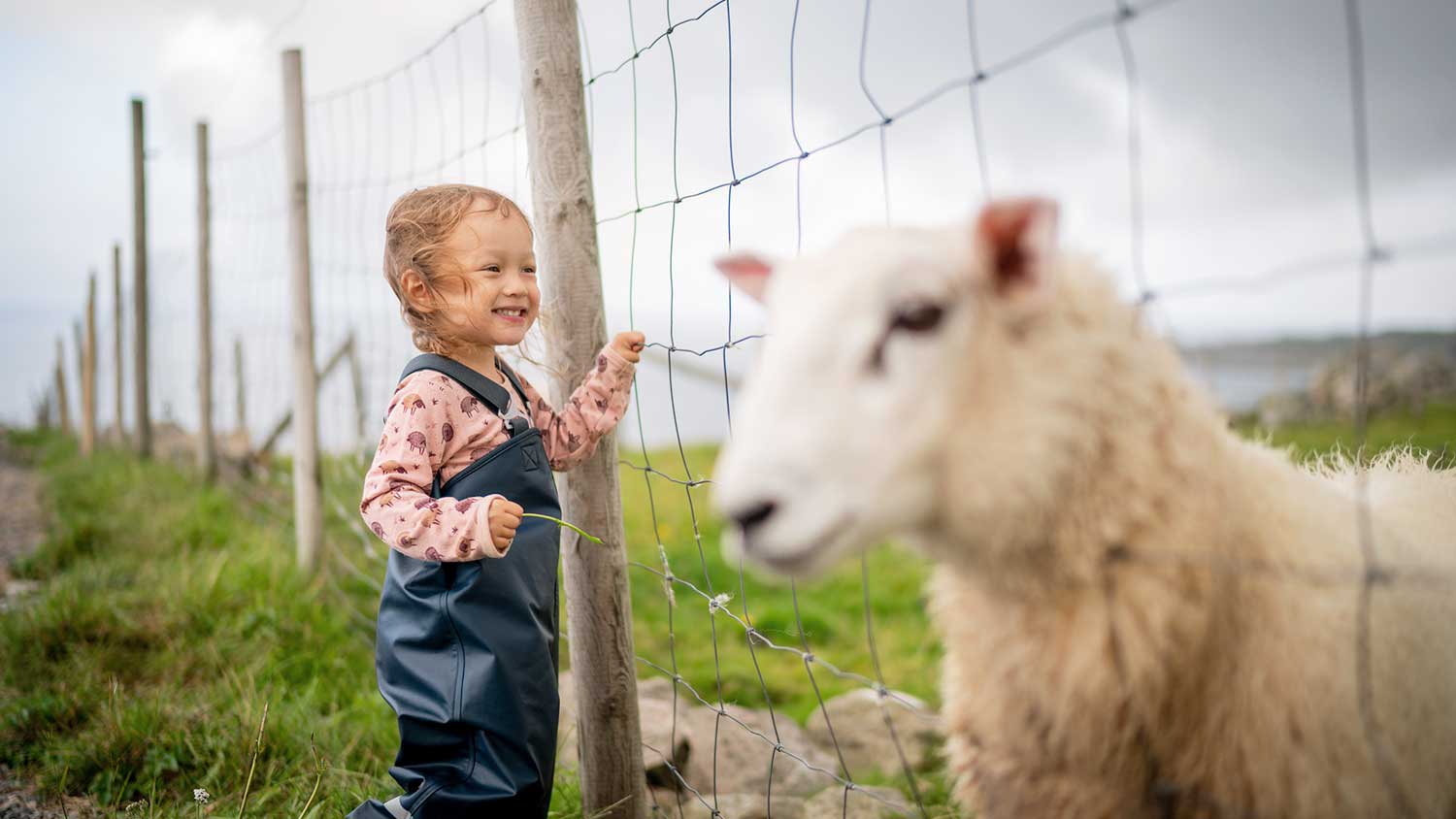
"Joe Rangel from Great Lakes Pet Fencing is really good with our energetic labradoodle. Trust was developed quickly. Our dog trained extremely quickly and is able to run freely (without a leash) within the boundary. Our dog's freedom and our freedom is invaluable!"
"Neil was awesome. Through the whole process from the initial call to request a quote, get a quote, and determine a date of installation (which he accommodated an evening installation to work around my work schedule) to the physical installation, Neil was the epitome of 5-star service and he had a top-notch understanding of his system and setup. He's a proud owner of the local branch/franchise of the company, and it shows. He was easy to talk to not only about the fence but about family and life in general. By his representation, I would always go back to him for any support or new fences we may need in the future. And I highly recommend him for your own pet fence. He was great with our dog with training as well and he explained everything clearly and easily for continued training. I'm happy with everything about it!"
No, skunks are not considered aggressive and are typically very gentle, mild-mannered creatures. However, when they’re provoked, they do emit their potent spray as a defense mechanism. Skunks are also useful creatures to have near your property since they eat insects and will likely leave you and your pets alone unless they’re startled.
Identifying the specific animal running on your roof at night can be challenging without direct observation. Common nocturnal roof visitors include raccoons, squirrels, opossums, and rats. Raccoons are bigger and can create heavy thumping sounds. Squirrels are agile and may produce rapid scurrying noises. Opossums tend to move stealthily with less noise. Rats can make scratching or gnawing sounds. To determine the culprit, look for signs like footprints, droppings, or damaged areas near the roof. For accurate identification, consult a pest control professional or set up wildlife cameras near potential entry points.
This depends on if their needs are being met. They'll likely return night after night if they have access to food, water, and adequate shelter. If this changes, they’ll look for another roosting spot. This is why bright lights and other dissuading factors often work when removing bats from a property.
As a general rule, if you hear an animal in your attic, don’t assume it will stay there. Animals are drawn to warmth and food sources, which could lead them to other parts of your house. In particular, it’s likely that small pests such as rats and mice that only need tiny gaps to squeeze through will end up in your walls and ductwork. Larger animals like raccoons may be limited to an enclosed attic.
Deer are most active around dawn and dusk. Most species of deer are crepuscular, meaning they are often awake during twilight hours. As far as the time of year goes, you can encounter deer in any month, as they don’t hibernate. They are most active during warmer months when food is the most abundant.
The Millbrook, MI homeowners’ guide to animal fencing services
From average costs to expert advice, get all the answers you need to get your job done.
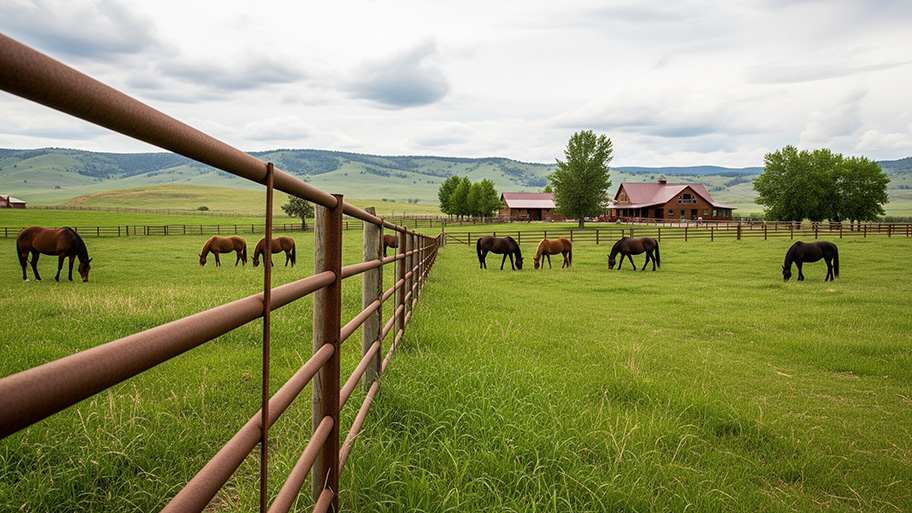
Pipe fencing is an extremely strong, durable option for containing horses and other livestock. This guide breaks down the factors that affect pipe fence cost.