


Top-rated structural engineers.

Get matched with top structural engineers in Mecosta, MI

Enter your zip and get matched with up to 5 pros

Need a pro for your structural engineering project in Mecosta, MI?

Select your specific project to find the pro for you.

Find Structural engineers in Mecosta

Avatar for Foundation Specialist, LLC
Foundation Specialist, LLC
4.2(
38
)

Serving Mecosta, MI and surrounding areas

In business since 2012

Free estimates

Emergency services offered

"I'm selling a home in Holland. The appraiser noticed a crack in the poured concrete foundation and asked for further investigation by a licensed foundation expert. Bryan Foster showed up promptly, provided a written report that confirmed no settlement, bowing or water intrusion, and charged a fair price. I didn't need or ask for an estimate, but Mr. Foster provided one free. I appreciate that the estimate was separate from the inspection report."
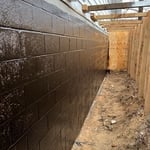
Basement repair
Basement repair
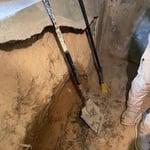
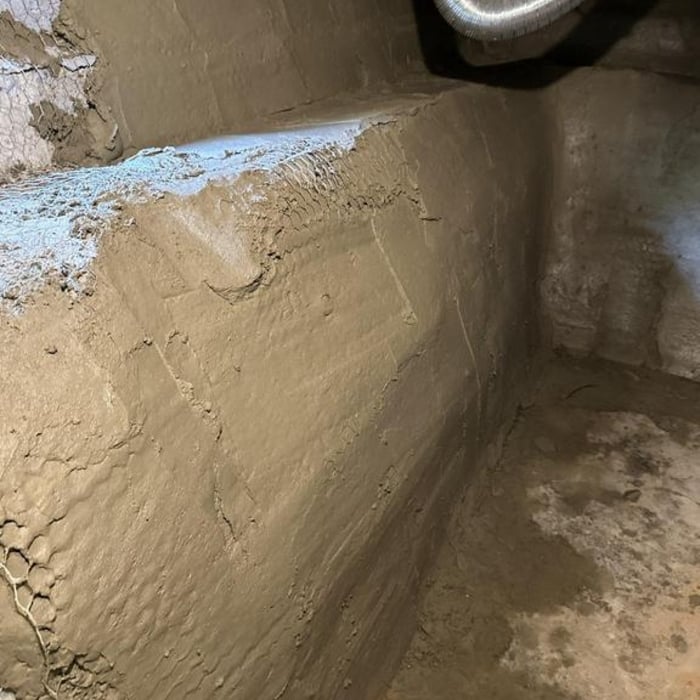
Additional Photos
Additional Photos
Additional Photos

+5

Recommended by85%of homeowners
Structural Engineering questions, answered by experts

The depth of any foundation style depends on your climate and how deep the frost line is, as building code requires that the footers of a foundation—which are built into a monolithic slab—sit at least a foot below the frost line. At the southern tip of Florida, for example, a monolithic slab foundation would only need to sit 12 inches under the soil at the widest parts. On some parts of the Canadian border, the frost line is 100 inches, which would mean a minimum of 112 inches, which is prohibitively deep for a monolithic slab.

It depends on the bank and the extent of the issue. Some banks will lend against homes with minor foundation damage, but most won’t if the issue is structural since the home acts as collateral for the mortgage. Banks that offer renovation loans might still finance a home with structural problems. More minor issues like settling cracks and intermittent problems with humidity are unlikely to stop a bank from financing.

A freestanding brick wall that's only one brick thick can usually stand six to eight feet high. If you need a higher wall, it should be at least two bricks thick for adequate stability, and it might require a footing to support the added weight. Additionally, some areas have regulations and codes dictating how high a brick wall can be, so check with local code enforcers to ensure your proposed wall complies with any regulations.

Although the two terms are closely related and often used interchangeably, pier and beam foundations and crawl spaces are different things. A pier and beam foundation is made up of concrete piers and wooden beams and creates a space under the home known as a crawl space. There are several types of foundations that create crawl spaces, often collectively known as “crawl space foundations,” but the crawl space itself is separate from the foundation. 

It is not recommended to cut or drill into LVL (laminated veneer lumber) beams. As major structural components of a home, their composite structure can be compromised by alterations, which can weaken them and lead to cracking over time. If you must make modifications to an LVL beam, it is crucial to consult a structural engineer or general contractor first. A professional can advise on whether it's safe and provide specifics on the appropriate bit size, depth, and directionality for any necessary drilling.

The Mecosta, MI homeowners’ guide to structural engineering services

From average costs to expert advice, get all the answers you need to get your job done.

What do you need done? We’ll find top pros.
  • 🌱 "Mow a small front yard"
  • 🛠 "Fix a leaking pipe under the sink"
  • 🏠 "Repair shingles on an asphalt roof"