

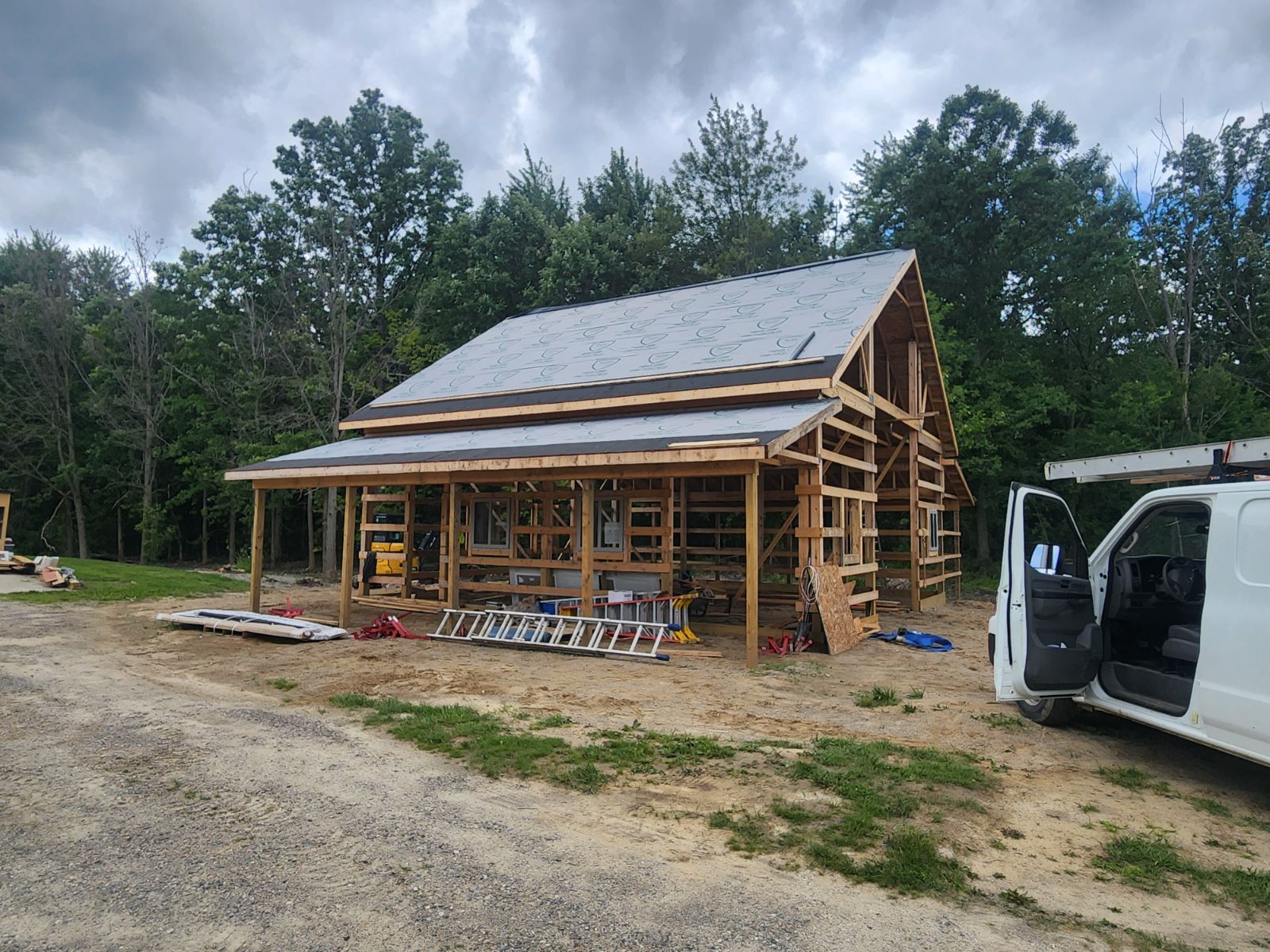
Top-rated custom home builders.

Get matched with top custom home builders in Kinde, MI

Enter your zip and get matched with up to 5 pros

Need a pro for your custom home building project in Kinde, MI?

Select your specific project to find the pro for you.

Find Custom home builders in Kinde

Avatar for K & M HOME IMPROVEMENTS,LLC
K & M HOME IMPROVEMENTS,LLC
4.7(
14
)
Find a Custom Home Builder

Serving Kinde, MI and surrounding areas

In business since 1993

Free estimates

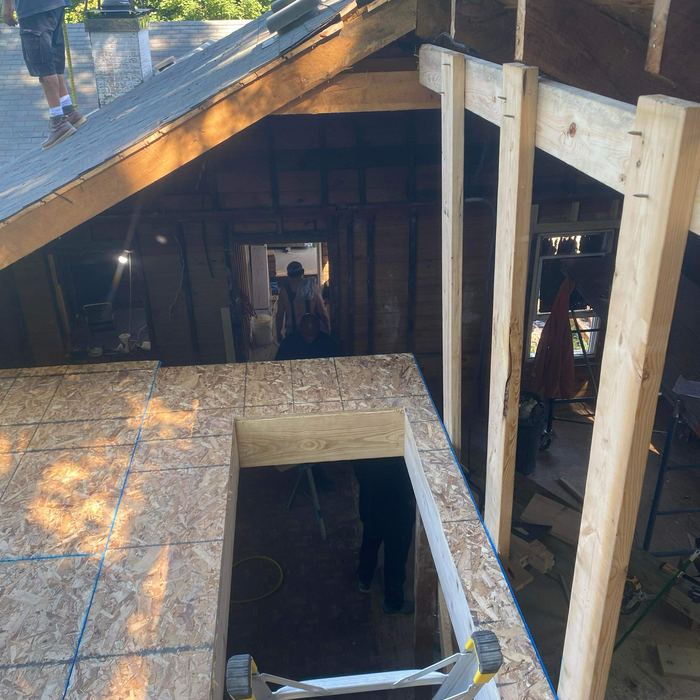
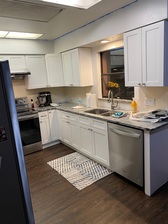
"K&M improvement did such an incredible job!! they gave me the kitchen and bathroom I’ve always wanted!! Our house is over 100 years old and needed a lot of work, they worked so hard and went above and beyond to make the outcome perfect! They are so professional and easy to talk to, I’d recommend their services over and over again!!"
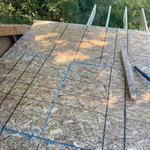
Roof
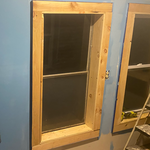
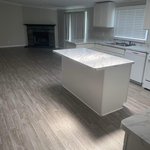
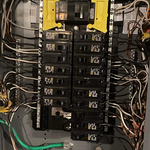
Additional Photos
Additional Photos
Additional Photos
Additional Photos

+20

Recommended by92%of homeowners

Avatar for Elite Precision Builders LLC
Elite Precision Builders LLC
5.0(
1
)
Find a Custom Home Builder

Serving Kinde, MI and surrounding areas

In business since 2024

Free estimates

Emergency services offered

I am Scott Emerson. I've been in this line of work for about five years. I recently decided to branch off and start my own business, I've had great mentors and know how to do a lot on a house. From OSB, Insulating, Drywall, Painting, Design flooring, Steel roofs, Framing, Electrical, Trim, Setting windows, and doors. I'm sure there's more but I'm willing to work for the right price.

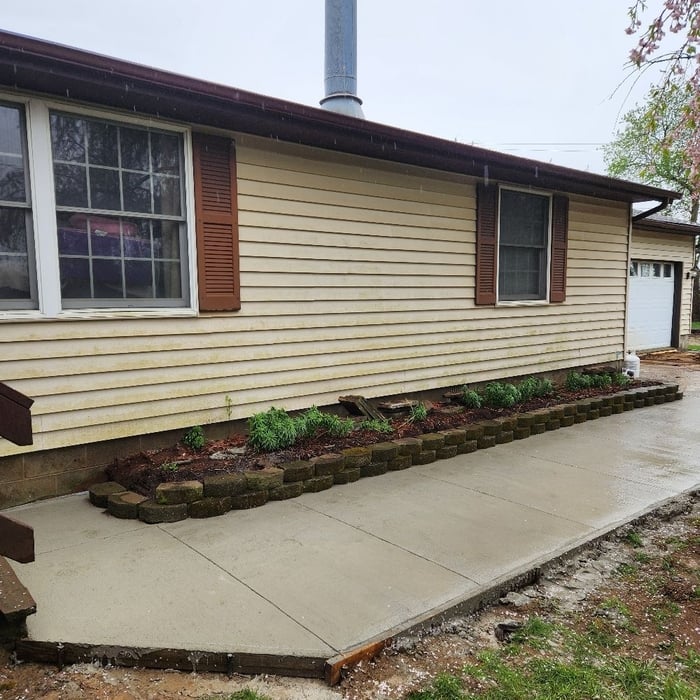
Additional Photos
Additional Photos
Additional Photos
Additional Photos
Additional Photos

+12

Recommended by100%of homeowners
Custom Home Builders questions, answered by experts

Modular homes last an average of between 50 and 75 years, and high-quality modular homes can last for 100 years with proper maintenance. For comparison, a standard home lasts 50 to 100 years and can push to 150 or longer with good maintenance. Modular homes provide better long-term value in that they are significantly more affordable and can last almost as long, but some buyers are wary of modular home longevity, so the actual value if you sell could be lower.

Yes, you can finance new construction, though the process often requires a different type of loan than one for an existing property. There are several financing options available:

  • Construction-to-Permanent Loan: This is a common option where a single loan covers the building costs and then converts into a traditional mortgage once construction is complete and you move in.

  • Construction Loan (Stand-Alone): This type of loan provides funding only for the duration of the construction project. Once the house is built, you will need to pay the loan in full, typically by securing a separate, standard mortgage.

  • Builder Financing: Some custom homebuilders offer their own financing options, which may only require a down payment to begin the building process.

  • Bridge Loan: This can be a useful short-term loan to fund your new construction while you are in the process of selling your old home.

  • Home Equity Options: If you are building a second home, you might be able to use a home equity line of credit (HELOC) or a cash-out refinance on your current property.

It's also important to be aware that some lenders may have restrictions on financing for DIY house builds, so be sure to verify that you can secure financing before starting your project.

In most cases, you should get an architect before you hire a builder. An architect will be the one to draw up formal plans for your project, including guidelines and even material lists for your builder to follow during construction. Many architects can even help you find builders, choose one for your project, and negotiate prices. Some are also willing to act as project managers throughout the process, working closely with a builder from start to finish.

Historically, Tudor homes originally stemmed from the 15th and 16th centuries, while Victorians appeared during Queen Victoria's reign in the 19th century. The design and structural differences are significant as well. The many types of Victorian architecture—such as Italianate architecture—typically feature ornate trim, wood siding, wraparound porches, and tall towers on top, such as belvederes. On the other hand, Tudor-style homes feature white stucco exteriors with exposed wooden rafters marking the house frame both inside and out.

Ultimately, a work warranty is only as reliable as the contractor you’ve hired. That’s why trust and reputation are such important factors, in addition to having a solid contract and confirming appropriate licensing, insurance, and bonding. When looking for a contractor, it’s a good idea to read online reviews and ratings to see what kind of experience past customers have had. Issues with your contractor can make for an unsatisfying renovation process, but a reliable contractor can make the process go as smoothly as possible.

The Kinde, MI homeowners’ guide to custom home building

From average costs to expert advice, get all the answers you need to get your job done.