"Matt took care of several small projects the first day and will be returning for several bigger fixes. He did an excellent job on the small stuff and I am looking forward to having him complete several bigger repairs once the materials are delivered.(Any delay is on my end.) He reviewed the upcoming projects thoroughly and gave me reasonable cost estimates. He will be repairing some damaged basement paneling from the 70s, replacing a lot of basement ceiling tiles from the same era, and installing new kitchen ceiling lighting. We are also talking about replacing windows in one bedroom and he has been very helpful in providing info on options., making my choice easier. He was very knowledgeable about all the details involved, and I am confident he will do an excellent job."

Install Central Vacuum questions, answered by experts
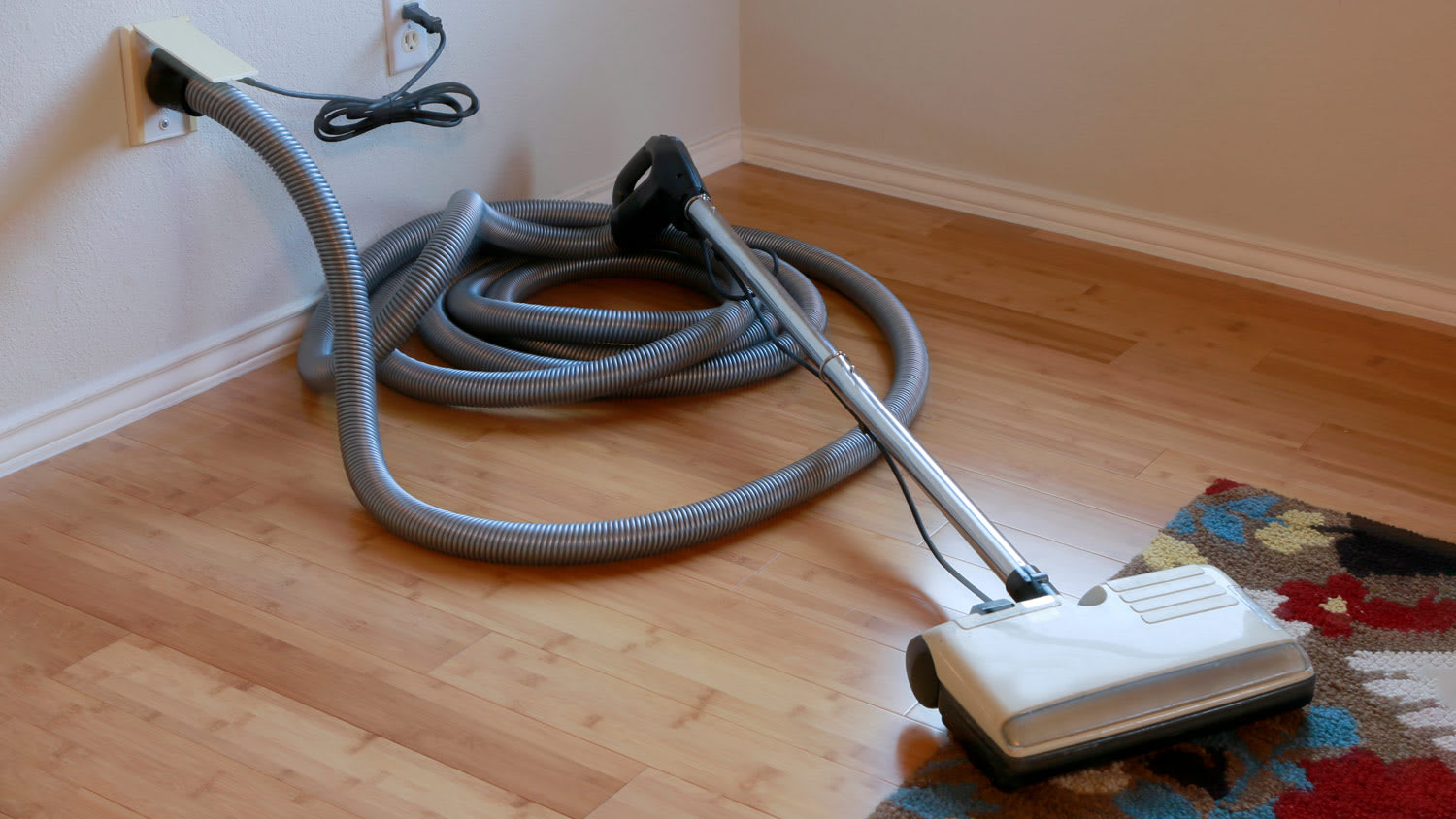
Before deciding whether or not to install a central vacuum system, consider the pros and cons to determine if it’s right for you.
Pros
Increased suction power
Improved air quality
Reduced noise pollution
Longer lifespan than traditional self-contained vacuum units
Cons
Higher upfront installation costs
Expensive repairs
Requires significant storage space
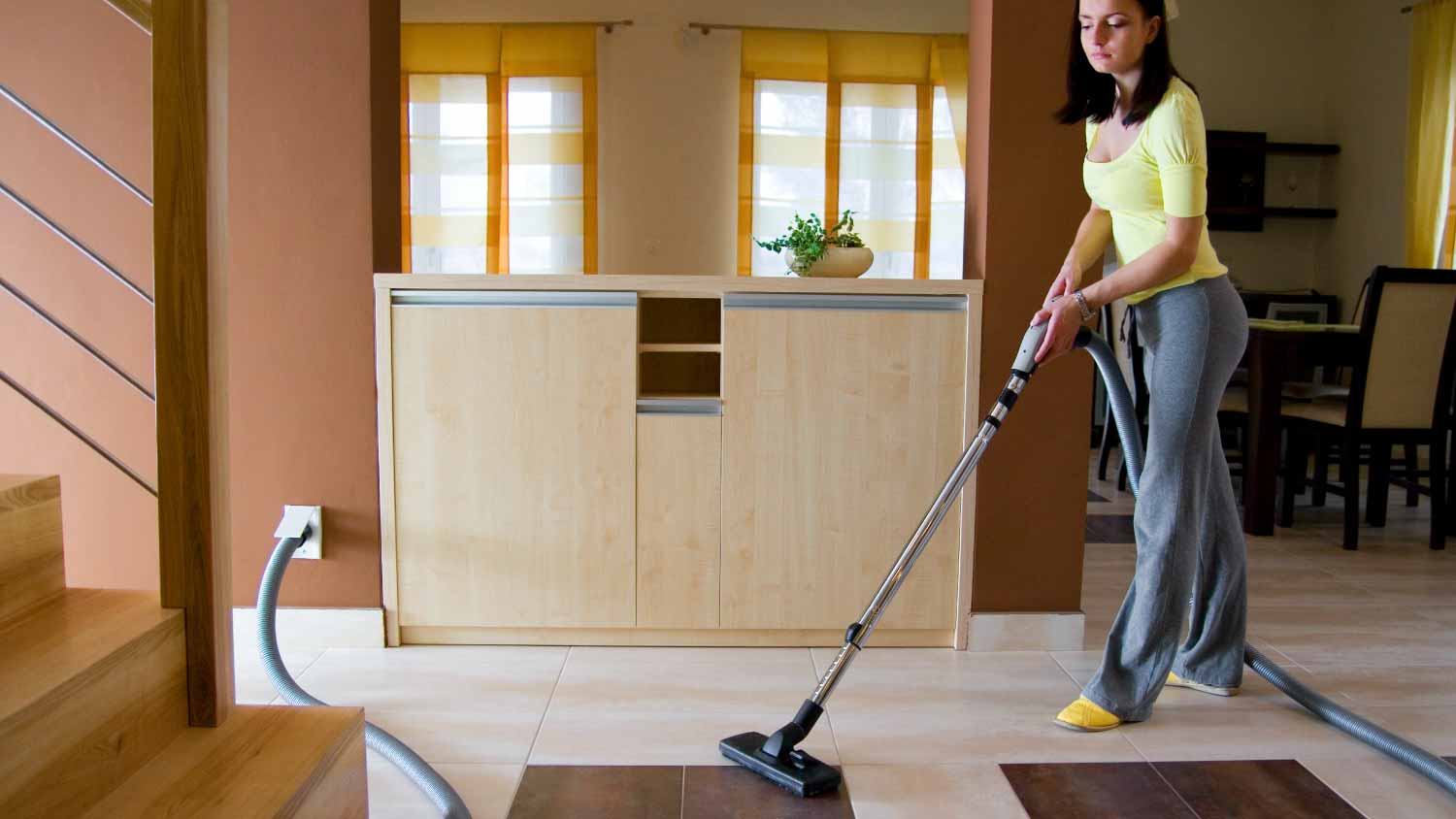
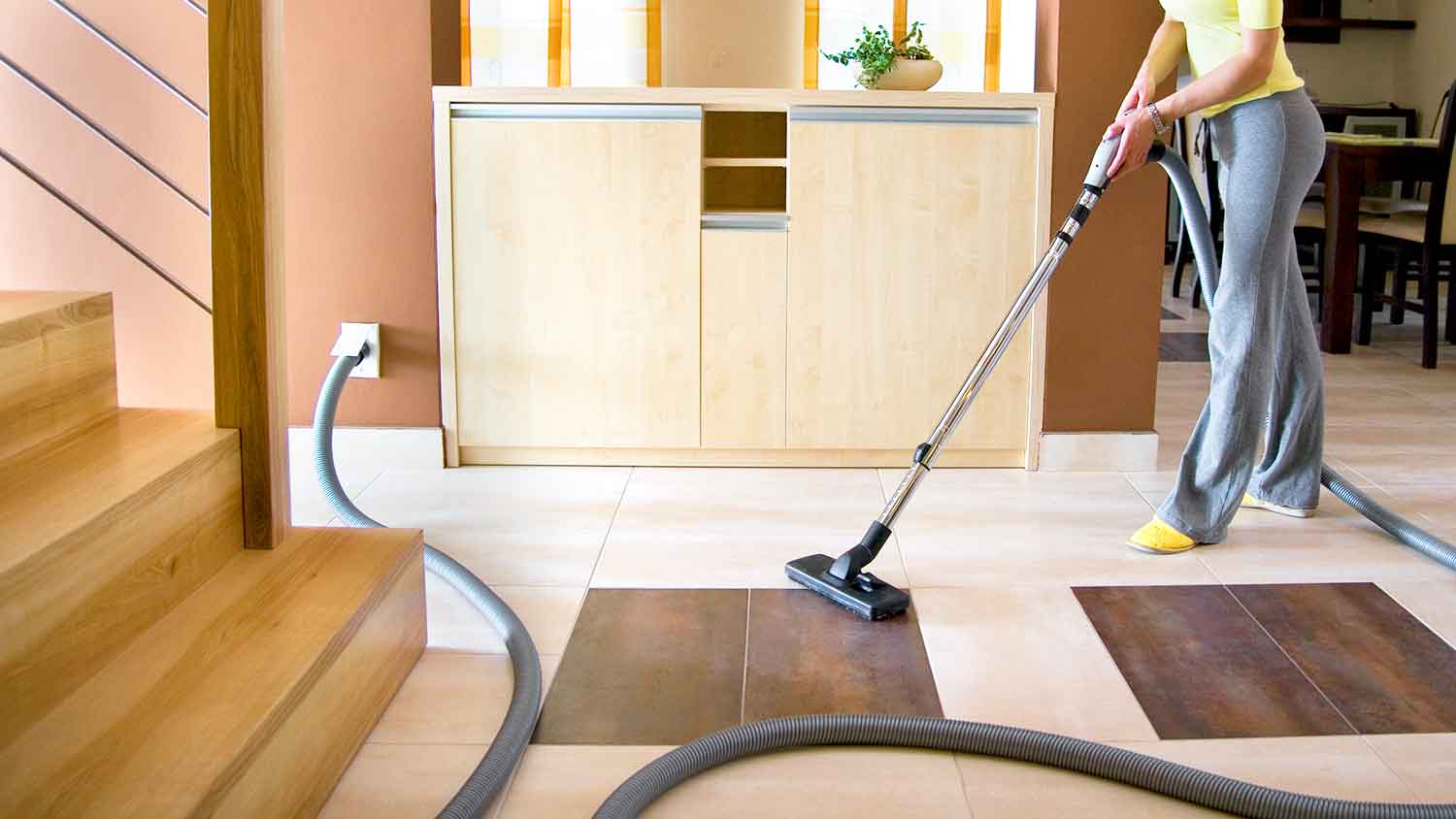
A central vacuum system can be a worthwhile investment depending on your needs and budget. While the upfront cost is higher than a traditional vacuum cleaner, it offers significant long-term benefits. These systems can save you time and make cleaning your home easier, as you only need to carry the hose and vacuum head, eliminating the need to lug a heavy unit up and down stairs. They also tend to operate more quietly and can improve indoor air quality. The convenience and performance over many years may make it a valuable addition to your home if you can budget for the initial installation.
The disadvantages associated with central vacuums start with cost. They are expensive to install, especially in existing homes, as retrofitting requires opening walls. The system's bulky hoses can also be inconvenient to maneuver and store compared to portable vacuums. Additionally, repairs may need professional service, adding to maintenance costs. Lastly, while powerful, they may be overkill for smaller homes or apartments, making the investment less practical for some households.
Experienced professionals don’t usually need to take down drywall to install the central vacuum. They are experienced in working in the tight spaces between walls and in crawl spaces to minimize any damage. The only drywall changes should be the holes cut for the new outlets. However, home design, existing plumbing, and other factors may require some modification. An estimate from a professional contractor should include information if any changes need to be made.
Yes, installing a central vacuum system typically adds value to your home. The ease of use, longevity, and superior suction power of a central vacuum system can add up to $2,000 to your home’s value if you decide to sell. Potential buyers may consider the central vacuum a perk to purchasing your home.
The Genesee, MI homeowners’ guide to central vacuum installation services
From average costs to expert advice, get all the answers you need to get your job done.
Get transparent information on central vacuum repair costs. Learn what impacts price, compare repair types, and see how to save on your central vacuum repair.
Learn how to hire a central vacuum installation pro with our complete guide. Find qualified installers, ask the right questions, and get your system installed correctly.
If you are looking for an efficient way to eliminate pet hair in your home, a central vacuum might be a good fit. Here’s what you need to know before taking the plunge.
What is a central vacuum system? It can enhance your cleaning efficiency with ease—but is it right for your home? Learn pros, cons, installation costs, and more to make your decision.