Vinegar can keep some animals at bay, like deer, rabbits, foxes, and raccoons. Keep in mind that your household pets, like cats and dogs, also don’t like the smell of vinegar. You can soak rags in white vinegar and put them up around your garden beds to keep the pesky critters from eating your plants.
Once the animals and their young are out of the house, remove the nest and locate any entry points. Some may be difficult to find because some animals can fit through very small holes. Once you’ve located as many entry points as possible, use materials such as metal or masonry to block off the entry. Ideally, you should choose materials that most animals cannot chew through. Create a one-way door or flap to allow animals to leave but not return. Additional methods include using repellants designed to make an area unappealing to the types of animals that find your home so inviting.
Maintain sealed entry points, use deterrents like spikes or sonic devices, and keep areas clean to discourage nesting.
Some of the plants listed above, like daffodils, are poisonous to many animals if eaten. But wild animals instinctively avoid them, for the most part. Household pets don’t always have the same survival instinct, which is why it’s a good idea to familiarize yourself with common plants that pose a danger to cats and dogs.
Costs depend on infestation severity, business size, treatment type, and frequency of service.
The Dollar Bay, MI homeowners’ guide to bird control services
From average costs to expert advice, get all the answers you need to get your job done.
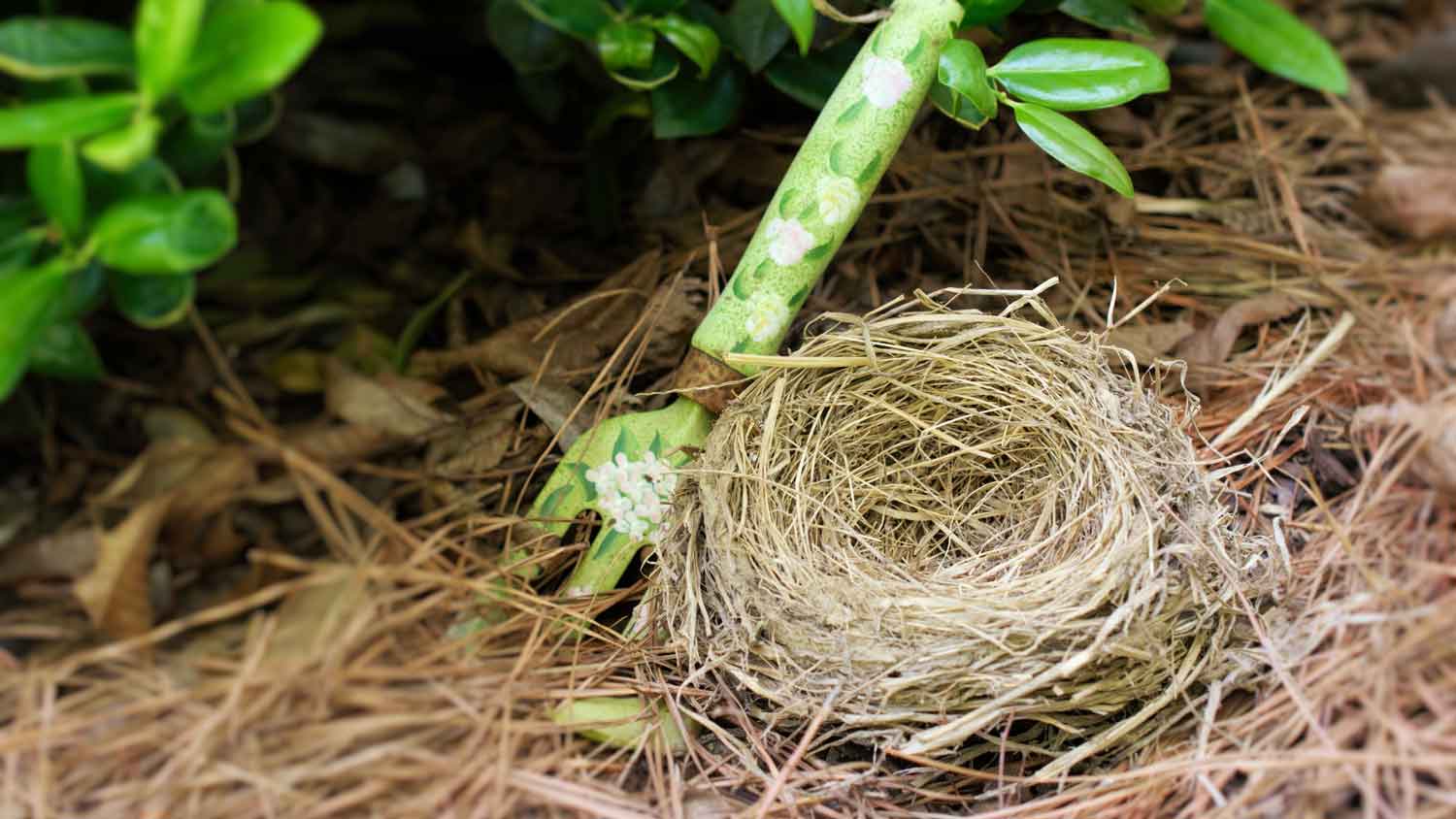
Sometimes birds nest in unwelcome places. Find out how much bird nest removal will cost based on factors like location, bird species, and preventative measures.