


Top-rated weed maintenance pros.

Get matched with top weed maintenance pros in Clarklake, MI

Enter your zip and get matched with up to 5 pros

Need a pro for your weed maintenance project in Clarklake, MI?

Select your specific project to find the pro for you.

TRUSTED BY CLARKLAKE, MI HOMEOWNERS

  • Average homeowner rating star icon4
    Average homeowner rating
  • Verified reviews icon61
    Verified weed maintenance services reviews

Find Weed maintenance pros in Clarklake

...
Showing 1-10 of 85
Weed Services questions, answered by experts

Sealing pavers helps cut down on weed growth, but it won’t wipe it out entirely. What it does really well is harden the joint sand—especially if you’re using a sealant with polymer additives—so weeds have a much harder time breaking through. It also blocks airborne seeds from settling in the cracks and keeps debris from building up. This results in fewer weeds, easier maintenance, and a cleaner-looking surface. Just remember, sealing is a strong defense—not a one-and-done solution. Stay on top of sweeping, spot-treating, and resealing every few years to keep your weeds in check.

Buffalo grass is not a dense grass, so weeds can grow between the buffalo grass plants. However, as long as you don’t overwater your lawn, weeds have a hard time growing. If you do notice weeds, you can use granular herbicides that are safe for buffalo grass in early and late summer.

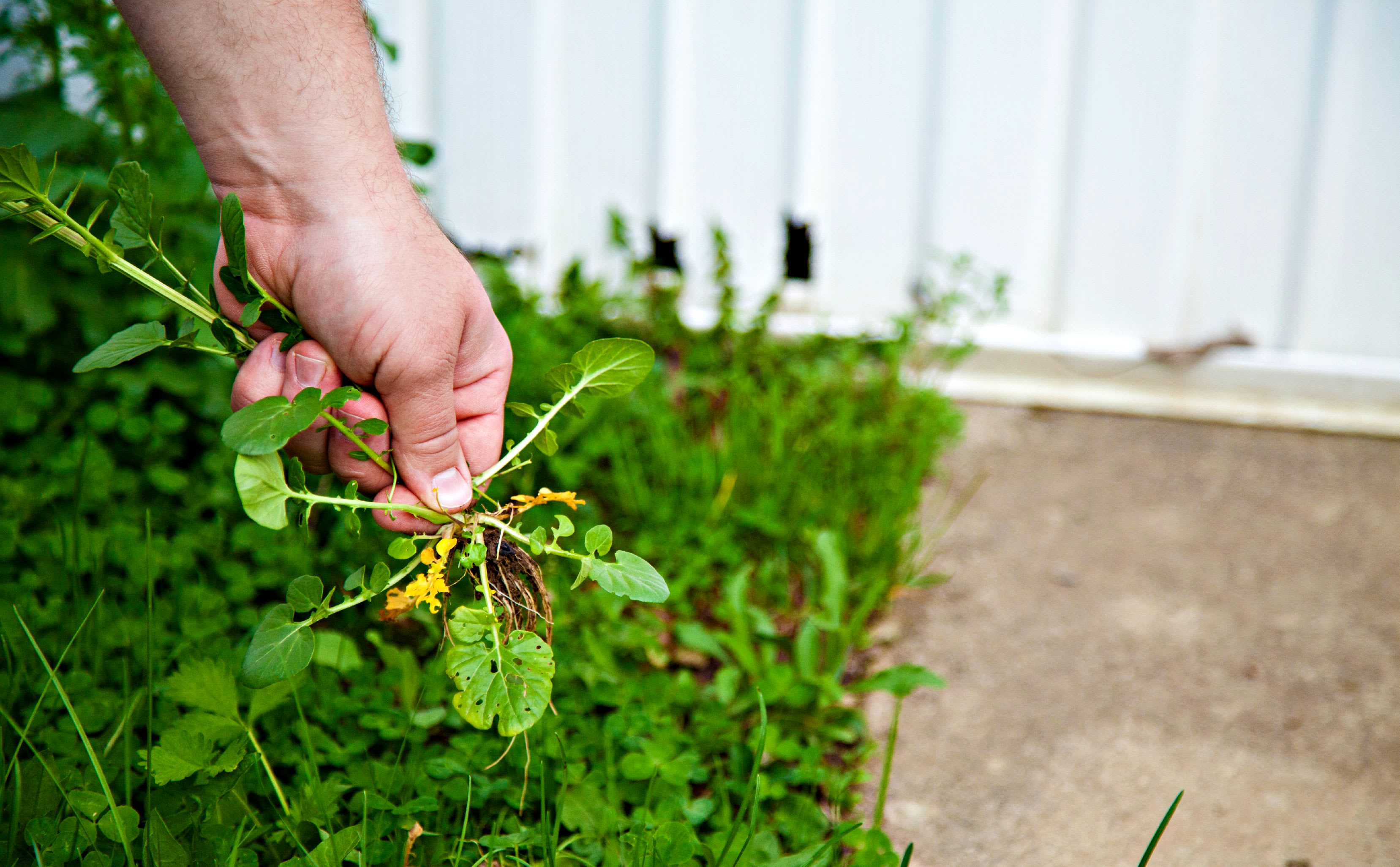
Pulling weeds once per month is typically often enough to keep most weeds at bay. But in general, it's best to pull weeds as soon as you spot them to prevent deep root growth and slow their spread. To make it easier, plan your weed pulling after rain or after the sprinklers run so the soil will be nice and wet and the weeds will be easier to pull. If you notice moss accompanying weeds, make a plan to remove the moss immediately to prevent damage.

The fastest ways to kill weeds and unwanted grass include burning them, pouring boiling water on them, or pulling them out by hand, as these methods work almost instantaneously. For a quick-acting solution that works within a few hours, you can use a commercial-grade herbicide like glyphosate or a DIY vinegar, salt, and dish soap mixture. While effective, be aware that commercial herbicides introduce chemicals into your lawn. The slowest method for killing weeds is to starve them of sunlight and nutrients using mulch or fabric covers.

Johnsongrass and crabgrass are invasive weeds that can overtake your lawn. Crabgrass is a low-growing grass most often seen in lawns, flower beds, and vegetable gardens. While you may find Johnsongrass growing in your lawn, it will also grow in pastures, crop fields, and the edge of the road. Johnsongrass is much coarser than crabgrass. If left alone, Johnsongrass can grow up to 8 feet tall. 

The Clarklake, MI homeowners’ guide to weed maintenance services

From average costs to expert advice, get all the answers you need to get your job done.