


Top-rated tree service pros.

Get matched with top tree service pros in Chesaning, MI

Enter your zip and get matched with up to 5 pros

Need a pro for your tree service project in Chesaning, MI?

Select your specific project to find the pro for you.

TRUSTED BY CHESANING, MI HOMEOWNERS

  • Average homeowner rating star icon4.7
    Average homeowner rating
  • Verified reviews icon88
    Verified tree services reviews

Find Tree service pros in Chesaning

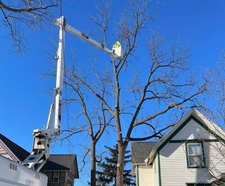
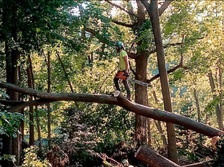
We Climb 2 Aerial & Tree Service, LLC
5.0(
3
)
Tree Removal

Serving Chesaning, MI and surrounding areas

Approved

In business since 2019

Free estimates

Customers say: Quick response

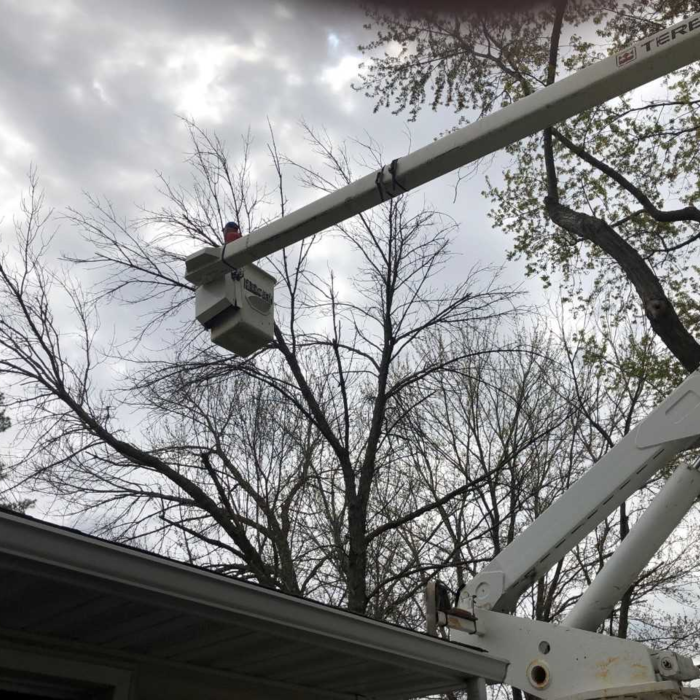
At We Climb 2 Aerial & Tree Service, LLC, our company is based on the belief that our customers' needs are of the utmost importance. Our team is committed to meeting those needs. We welcome the opportunity to earn your trust and deliver you the best service. No job is too big or too small for our experienced team. Call today for a quote.

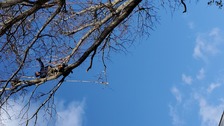
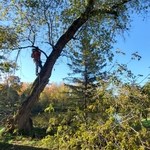
Our Work
Our Work
Our Work
Our Work
Our Work

+1

Response time1 day
Recommended by100%of homeowners
...
Showing 1-10 of 87
Tree Service questions, answered by experts

The cost of professional tree trimming averages $460, with a typical range between $200 and $760. However, prices can be as low as $75 or as high as $1,800 depending on several factors. The size and type of the tree are major cost drivers; for example, trimming Crepe Myrtle trees costs an average of $80 to $400, while trimming giant pine trees can range from $200 to $1,800. Other factors that influence the price include the time of year, as services are often more costly in the spring. The tree's accessibility and your location also play a role, as a remote or hard-to-reach tree may increase the cost. Some professionals may offer a discount if you have multiple trees to trim.

Absolutely. These steps are significantly easier, too, especially when it comes to preserving the root ball and moving the palm tree. However, you will want to make sure the tree has plenty of fertilizer to establish itself and start growing. Supports may also be more important, as it can take extra time for a potted palm to spread out its roots. If you are transferring a palm to another pot, you’ll want to move up a size or two to a larger pot. Make sure the pot has excellent drainage to keep the palm from getting waterlogged.

Palm trees are unique in that their roots don't grow straight down; they grow horizontally. Typically, palm tree roots go down between 12 and 36 inches deep. The roots grow far and wide from the base of the palm tree to absorb as much water and soil nutrients as possible. In addition, the horizontal roots are also very strong—keeping palm trees stable and helping them sway during storms.

It’s not as common for Dutch elm disease to affect other types of trees, especially if the surrounding trees aren’t elms. However, it is possible for DED to spread to other trees, particularly in northern states, like Minnesota. In fact, it’s a good idea to use geography to identify wood and determine which types of trees are in your yard. 

Unfortunately, the complex and shallow root system of elm trees makes surrounding elm trees particularly vulnerable to DED. Early discovery is key!

You need to remove all branches affected by Dutch elm disease. If your tree has several affected branches, you will probably need to remove the entire tree. First, consult a pro to be sure that you’ve correctly identified it as an elm tree. Make sure the tree is properly disposed of with a plastic covering or through debarking, chipping, or burning.

The Chesaning, MI homeowners’ guide to tree services

From average costs to expert advice, get all the answers you need to get your job done.