






Top-rated bathroom fan installation pros.

Get matched with top bathroom fan installation pros in Cedar, MI

Enter your zip and get matched with up to 5 pros

Need a pro for your bathroom fan installation project in Cedar, MI?

Select your specific project to find the pro for you.

TRUSTED BY CEDAR, MI HOMEOWNERS

  • Average homeowner rating star icon4.4
    Average homeowner rating
  • Verified reviews icon288
    Verified bathroom fan installations reviews

Find Bathroom fan installation pros in Cedar

Avatar for New Janitorial Services
New Janitorial Services
5.0(
1
)
Bath Exhaust Fan - InstallBath Exhaust Fan - Repair

Serving Cedar, MI and surrounding areas

In business since 2002

Emergency services offered

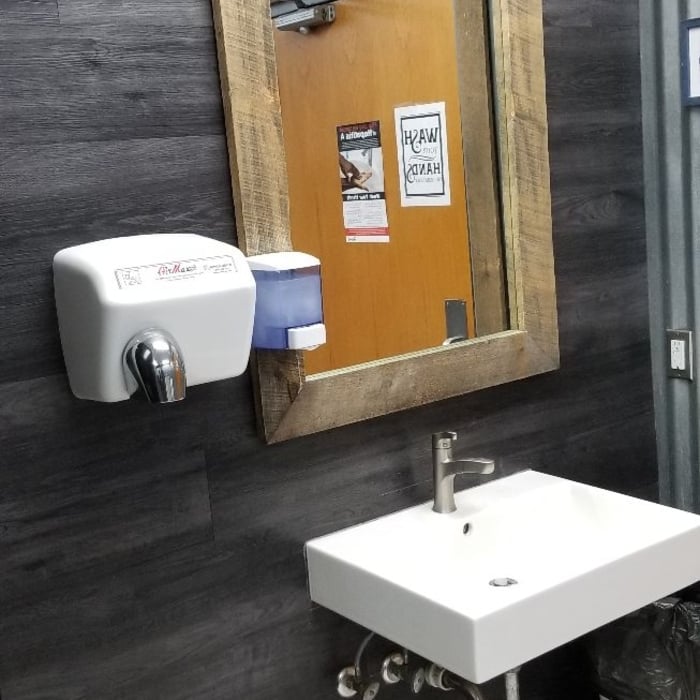
Hello this is Jason Garcia with New Janitorial Services we provide Carpet Cleaning, Commercial Floor Cleaning, Industrial & Commercial Cleaning, Hardwood Floor Refinishing. New Janitorial Services provides the best Cleaning Services as well as the best prices all across Michigan. We have 25+ years of experience and you can reach me at (313)768-4756 or at (313)212-1338 we do FREE ESTIMATES.

Additional Photos
Additional Photos
Additional Photos
Additional Photos
Recommended by100%of homeowners
Showing 1-10 of 13
Bathroom Fan Installation questions, answered by experts

You should generally avoid using WD-40 on a ceiling fan. While it might quiet a squeak temporarily, it is primarily an anti-corrosion and water displacement agent, not a true lubricant, and can damage the fan's components over time. Most modern ceiling fans have sealed bearings and do not require oiling, so a squeak may indicate another issue. For fans that do require lubrication, it is better to use a light machine oil, 30-weight motor oil, or a lubricant specifically designed for ceiling fans.

Regularly clean fan grilles, check for dust buildup, and ensure proper venting to prevent mold growth.

Before committing to this new project, you’re likely weighing the pros and cons of attic fans. The good news is that typical roof vents can only ventilate 150 to 300 square feet per unit, whereas a single attic fan can circulate enough air to vent an entire attic. By moving large volumes of air within and out of the attic space, an attic fan can lower the temperature by 15 to 40 degrees Fahrenheit and reduce moisture to prevent mold and mildew.

Fan power is measured by CFM, or cubic feet per minute. For every 1,000 feet of square footage in your attic, you need a minimum of 700 CFM. Steeper roofs may need larger fans or about 840 CFM.  You can figure the size of attic fan you need by multiplying the square footage of your attic floor by 0.7. (multiply by 1.2 for a steep roof and 1.15 for a dark roof). That number is the CFM required for your fan to run efficiently.

Identifying the source of noises is your first step to soundproofing a room without overspending. Generally, sound comes from inside or outside of the house. Inside noises include creaking floors, living noises like TVs in the living room, cooking sounds, or kids being kids. External noises generally include incremental weather, disturbing neighbors, and street traffic. Inside noises require you to soundproof floors, ceilings, and doors, whereas outside noises may require you to soundproof your attic, windows, and walls facing the streets.

The Cedar, MI homeowners’ guide to bathroom fan installations

From average costs to expert advice, get all the answers you need to get your job done.