




Top-rated generator install pros.

Get matched with top generator install pros in Bear Lake, MI

Enter your zip and get matched with up to 5 pros

Need a pro for your generator install project in Bear Lake, MI?

Select your specific project to find the pro for you.

Find Generator install pros in Bear Lake

Avatar for D Maddux Electric
D Maddux Electric
1.0(
1
)
Fixed Generator - Install

Serving Bear Lake, MI and surrounding areas

Free estimates

Emergency services offered

Small jobs welcome

⚡️ D Maddux Electric – Trusted Electrical Services in NW Michigan! ⚡️\nServing Traverse City • Cadillac • Surrounding Communities\n\nLooking for experienced electricians you can count on?\nD Maddux Electric is licensed and insured, proudly serving Northern Michigan with high-quality electrical work you can trust.\n\nWe specialize in:\n🔧 New Build Construction Wiring\n🔌 Generac Generator Sales & Installs\n⚡ Service Upgrades & Panel Changes\n💡 All Types of Residential & Light Commercial Electrical Work\n\nWhether you’re starting a new project or upgrading your current system, we deliver honest service, expert craftsmanship, and on-time results.\n\n📍 Locally owned & operated\n🛠 Quality-driven | Professional | Dependable\n\nCall or Email Today for a Free Estimate!\n📞 231-299-7469\n📧 [email protected]\n\n🔌 D Maddux Electric – Powering Your Projects the Right Way.

Grizzly Electric, LLC
1.3(
2
)
Fixed Generator - InstallFixed Generator - RepairGenerator - Install - For Business+3 more

Serving Bear Lake, MI and surrounding areas

In business since 1995

Free estimates

Emergency services offered

Grizzly Electric, LLC is a licensed and insured company committed to reducing energy cost and lowering energy bills for our customers while providing quality service. We serve the beautiful Grand Traverse area as well as Western and lower Michigan. Specializing in panel upgrades, generators, custom lighting, hot tubs, fixtures and much more. We offer flexible payments and affordable electrical services

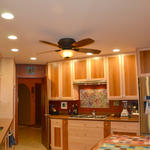
Recess Cans
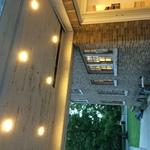
Carport Recess Cans
Generator Install questions, answered by experts

Generators are safe to use as long as they are installed and operated correctly according to the manufacturer's recommendations. The most critical safety tips are to never use a portable or fuel-powered generator inside an enclosed space due to the risk of lethal carbon monoxide poisoning; always operate it outdoors where fumes can dissipate away from your home. Additionally, never attempt to connect a generator to your home’s electrical panel yourself—hire a professional to ensure the setup meets safety standards. Finally, avoid overloading the generator by not connecting more appliances than it is rated for, as this can damage your equipment or cause a fire.

To determine the right size generator for your house, you should calculate the total wattage of the appliances and devices you want to power during an outage. List all essential items, note their start-up wattages, and add them together.

Here are some typical wattage requirements for common appliances:

  • Refrigerator: 600 watts

  • Large dehumidifier: 700 watts

  • Large window air conditioner: 1,400 watts

  • Water heater: 3,000 to 4,500 watts

  • Electric furnace: 5,000 to 25,000 watts

A 7,500-watt generator might be sufficient for essentials like a refrigerator, freezer, well pump, and lighting circuits. However, for high-demand items like a water heater or furnace, a whole-home generator is a better choice. A portable generator may be enough if you only need to power a few critical items.

While home square footage can offer a rough estimate, it is not always a reliable indicator. For reference, here are some typical generator sizes based on square footage:

  • 1,000 sq ft: 6–9 kW

  • 1,500 sq ft: 7–10 kW

  • 2,000 sq ft: 10–14 kW

  • 2,500 sq ft: 12–16 kW

  • 3,000 sq ft: 16–20 kW+

For the most accurate sizing, consult a professional who can calculate your home's peak and average power consumption and recommend the optimal generator.

If you’re wondering whether gas generators produce carbon monoxide, know that natural gas generators do not produce carbon monoxide if they are functioning properly, as natural gas burns cleanly. However, if the generator malfunctions and the gas does not burn completely, there is potential for carbon dioxide to be produced. To prevent malfunctions, it's crucial to perform regular maintenance, including running the generator weekly and scheduling professional inspections every 6 to 12 months. Also, be sure to test your carbon monoxide detectors regularly to ensure they function in the rare case of the generator producing carbon monoxide.

In most cases, there are no tax credits available for home generators. However, that’s a general statement that applies to federal tax credits, so you might have access to state or local tax incentives. You can check the Database of State Incentives for Renewables & Efficiency (DSIRE) for more information about your area. If you hire a reliable home generator installer, they should also know if there are any state or local perks you can use to reduce your installation costs, including tax breaks and rebates.

Natural gas generators are designed to run for extended periods of time, such as power outages during a natural disaster. Since there’s no limit to the supply of natural gas, they don’t need to stop for refills. However, generators do need maintenance, including pauses to check and add oil. Constantly running them will also cause a lot more wear and tear, leading to a shorter lifespan.

The Bear Lake, MI homeowners’ guide to generator installs

From average costs to expert advice, get all the answers you need to get your job done.