With nearly 30 years experience, McLardy Electric proudly serves its customers with pride, integrity and attention to the details that matter most to you. This is one of the many things that sets us apart from the rest. We are locally owned and operated. Give us a call today!
"It was so expensive I couldn't afford it. He wanted to fix the mold but he didn't want to repair the ceiling so I told him forget about it. He just wanted to go on the wall and then bathe them all and then leave. So I never called them back because I never want that. The responsiveness was good."
"The furnace took 4 days to get approved( not counting a Sunday) the others were quick but the water heater had to be ordered so without hot water for a week. One ceiling fan was easy but within a year their policy changed and They would not install the one I purchased and had to get a new one approved and then ordered online and took several weeks to get straightened out. Not sure who was at fault, AHS, installer or scheduling with renter. Fee is usually $75 per visit"
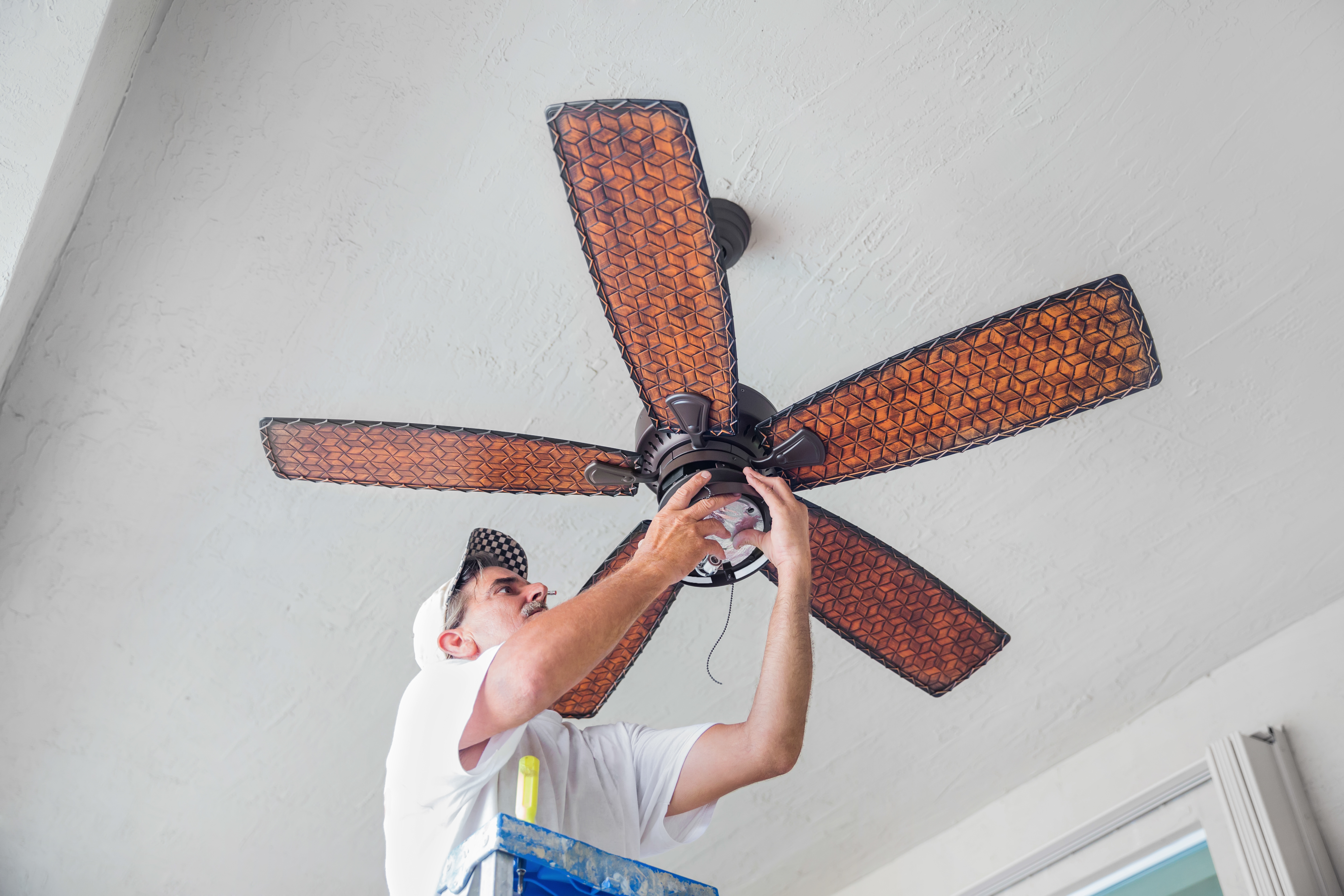
If you’re replacing an old fixture with a ceiling fan, you usually won’t need a permit, but if your electrician runs new wiring for the fixture, you likely will need a permit. Building permits are necessary in most municipalities if you’re making changes to your electrical system, so even if you have partial wiring run to the area and need new wiring installed for added functionality, you’ll probably need a permit. Your electrician should be able to let you know if you need one, and they’ll typically file the paperwork for you.
Fan power is measured by CFM, or cubic feet per minute. For every 1,000 feet of square footage in your attic, you need a minimum of 700 CFM. Steeper roofs may need larger fans or about 840 CFM. You can figure the size of attic fan you need by multiplying the square footage of your attic floor by 0.7. (multiply by 1.2 for a steep roof and 1.15 for a dark roof). That number is the CFM required for your fan to run efficiently.
In short, no. You can use the square footage range chart in this article to determine the right size ceiling fan for both indoor and outdoor spaces. However, weather elements can damage types of ceiling fans that aren't designed for outdoor use, so your ceiling fan should be weather-resistant if you plan to install it outside.
Though possible, installing a ceiling fan yourself requires electrical knowledge and confidence working with home wiring. Following the manufacturer's instructions carefully and observing safety precautions are crucial components of a DIY installation.
Whether you can install a ceiling fan yourself depends on if you're replacing an existing fixture or installing one where no wiring exists. If you are replacing an existing fan, an experienced DIYer may be able to do the job, which can save on labor costs. This work typically doesn’t require a permit, but there’s always a safety risk when dealing with electrical components, so hiring a pro is still a good idea, especially if you aren't handy. Keep in mind you may need a special ladder for high or vaulted ceilings. However, if you are installing a new ceiling fan where there is no current fixture, you must hire a licensed electrician. In most areas, it is required by law that a professional runs new wiring and pulls the necessary permits. Attempting to install wiring yourself can be dangerous and a code violation.
The Solon, ME homeowners’ guide to ceiling fan services
From average costs to expert advice, get all the answers you need to get your job done.
Discover the cost to install a ceiling fan, including labor, materials, and tips to save. Learn what impacts your price and how to budget for your project.
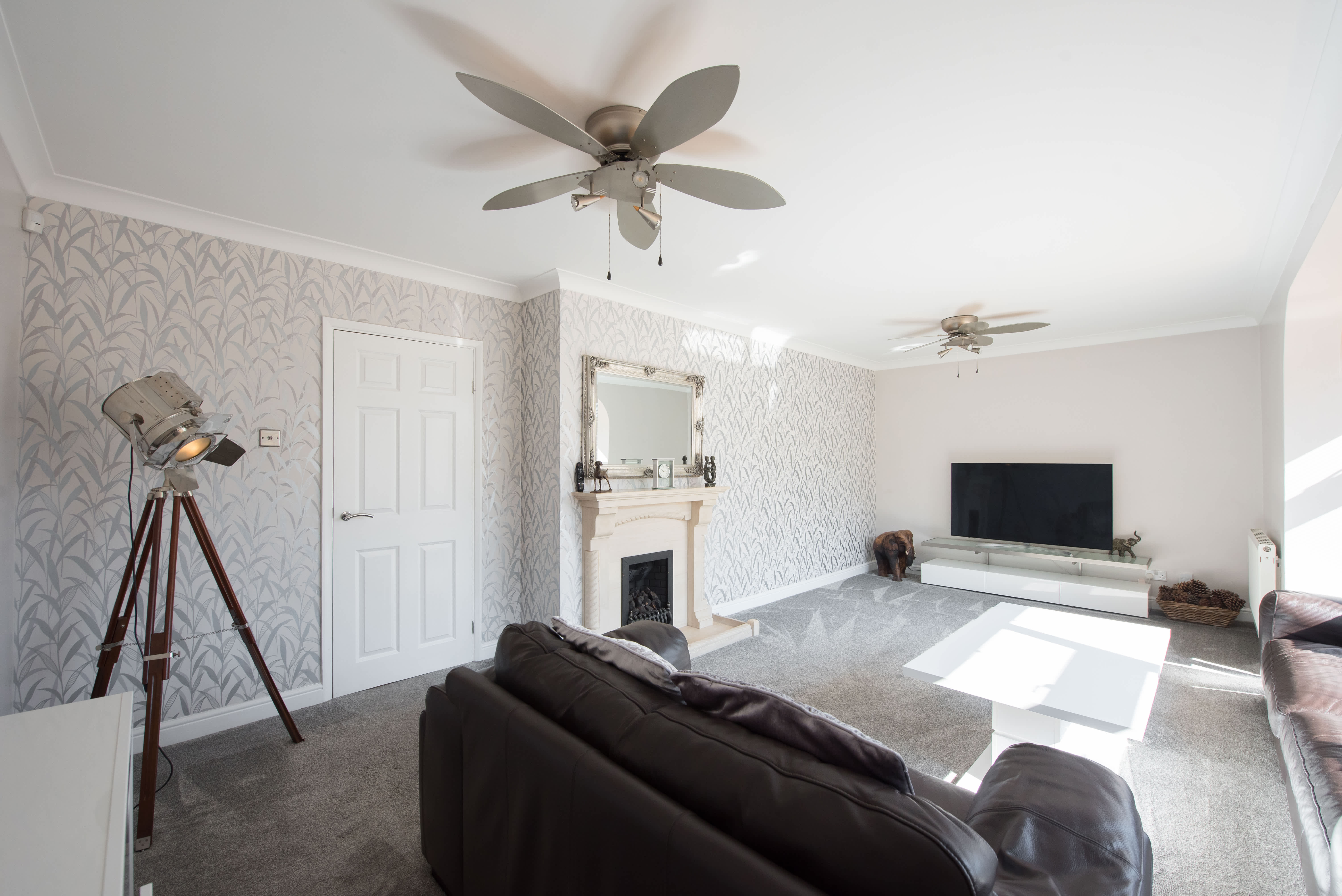
Ceiling fans cool down your home while stylishly accenting your space. With a variety of types of ceiling fan on the market to choose from, you can’t go wrong.
Although the risk is low, there are a few telltale signs that a ceiling fan will fall off your ceiling. This guide explains when to worry (and when not to).