








Top-rated lawn care providers.

Best lawn care providers near Solon, ME

Enter your zip and get matched with up to 5 pros

Need a pro for your lawn service project in Solon, ME?

Select your specific project to find the pro for you.

TRUSTED BY SOLON, ME HOMEOWNERS

  • Average homeowner rating star icon5
    Average homeowner rating
  • Verified reviews icon11
    Verified lawn services reviews

Top-Rated Lawn care providers in Solon - Updated Nov 2026

Avatar for TruGreen
TruGreen
3.1(
2,962
)
Lawn Care - Aerate a LawnLawn Care - Fertilize or Treat a Lawn

Serving Solon, ME and surrounding areas

Approved

In business since 1974

Free estimates

Warranties offered

"I think they treated the wrong lawn. The note they sent me via text message referenced trees and shrubs in my yard, I have none. They also did not leave a yard marker showing they had been there. Otherwise, this would have been a 5 star review."
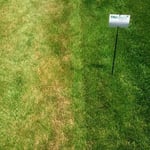
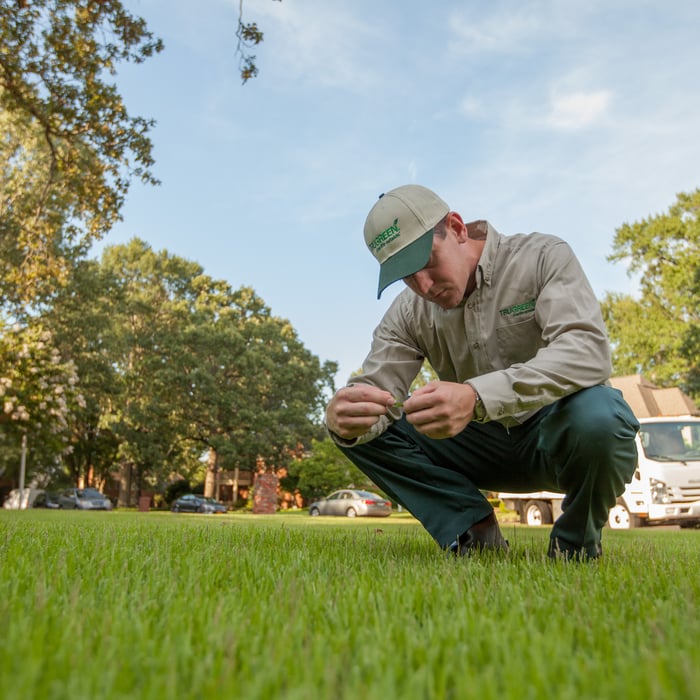
TruGreen Treated vs Non-Treated
Enjoy Your Lawn at it's Fullest Potential
TruGreen Treated vs Non-Treated
TruGreen Lawn
TruGreen Healthy Lawn Analysis

+4

Recommended by76%of homeowners

Willman Enterprises
New to Angi
Handyman for Multiple Small Projects

Serving Solon, ME and surrounding areas

Approved

I’m a 65 year old man living in Washington Maine. I’ve been doing handyman installs and repairs for over 40 years. From installing new shades/blinds to full bathroom renovations (not a licensed plumber). Available in the Augusta/Rockland/Belfast areas of Midcoast Maine. I take great pride in what I do. Need a shelf hung? New furniture assembled? Minor painting? Hit me up and let’s see what I can do for you.

...
Showing 1-10 of 84
Lawns FAQs, answered by experts

No, it’s not necessary to remove all the leaves from your lawn—in fact, leaving some behind can be beneficial. While it's important to clear thick layers of leaves that can smother your grass, leaving a light scattering of leaves can help feed your soil while also providing safe winter habitat for pollinators like bumble bees. Leftover leaves will eventually break down, enriching the soil and promoting healthy lawn growth.

This depends on how many leaves there are. Mowing over dry and crisp leaves with a bagging attachment saves most homeowners a lot of time. If you have a smaller lawn and few leaves to mulch, you can put the leaves into a stand-alone mulcher resembling a wood chipper and collect the mulch from a hopper. This prevents having to do multiple passes with a mower.

Small amounts of geese are actually good for the environment. They help spread seeds and lead to more plant growth, but they’re often an invasive species, particularly Canadian geese. This means a small gaggle can quickly grow into a level that litters your lawn with bald patches and excrement.

Trees that provide a habitat to bats and an abundance of bugs—their main food source—will attract bats to your yard. Because the North American landscape has changed so much in recent years, bats have a harder time finding trees with cavities to shelter in. If your yard has a dead or dying tree with a lot of sun exposure, bats will likely be drawn to it because trees with those features are less common.

Yes, it's perfectly safe and environmentally sound to mulch leaves with a lawn mower, provided that the layer of leaves isn't too thick and the leaves are dry and crispy. Too many wet leaves get sticky and will clog the mower. Thick layers of leaves can suffocate the lawn after the leaves have been mulched, so the layer should be no more than six inches thick.

The Solon, ME homeowners’ guide to lawn services

From average costs to expert advice, get all the answers you need to get your job done.