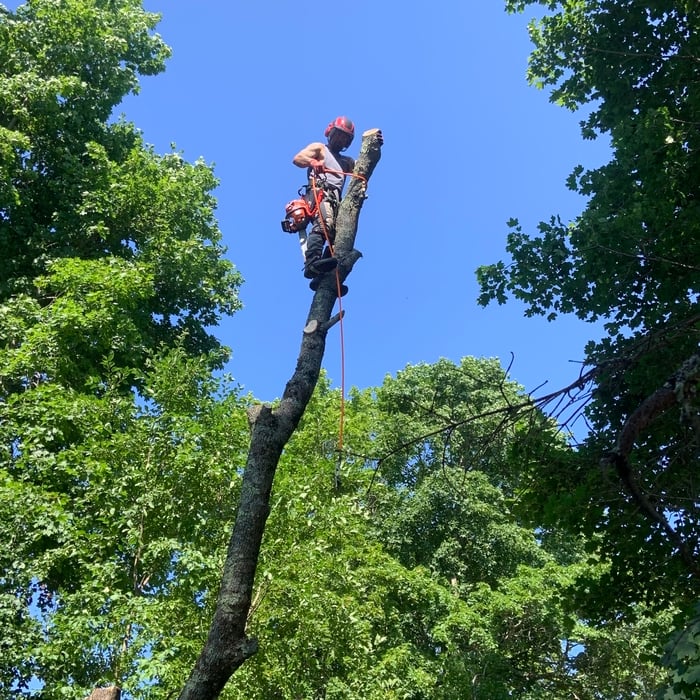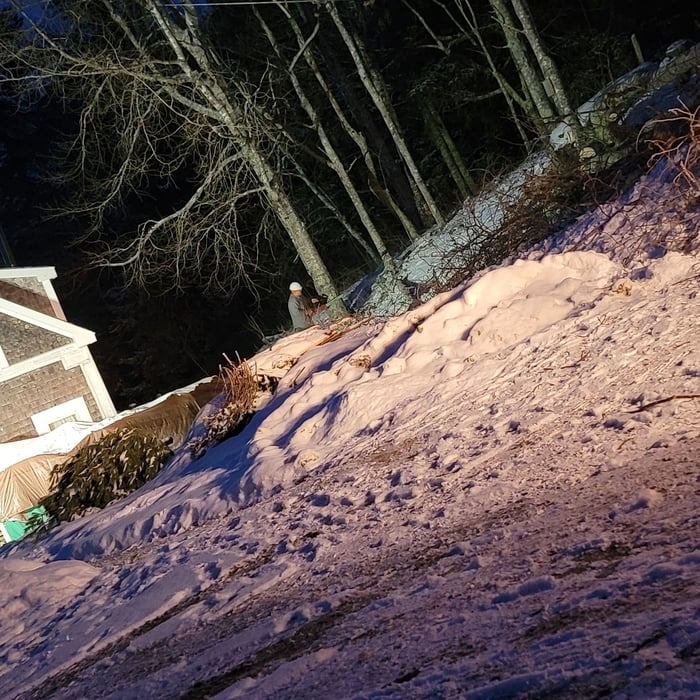







Top-rated arborists.

Get matched with top arborists in Princeton, ME

Enter your zip and get matched with up to 5 pros

Need a pro for your arboricultural service project in Princeton, ME?

Select your specific project to find the pro for you.

Find Arborists in Princeton

Avatar for Axe-ceptional Tree Removal
Axe-ceptional Tree Removal
2.9(
15
)

Serving Princeton, ME and surrounding areas

In business since 2020

Free estimates

Small jobs welcome

"Arrival Delayed But guaranteed their work Iâ d like for them to do other work I need. Will hire them again Cut 2 trees Install outdoor antenna on roof Replace rope on pulley clothesline"
Topnotch wood!
We get it done!
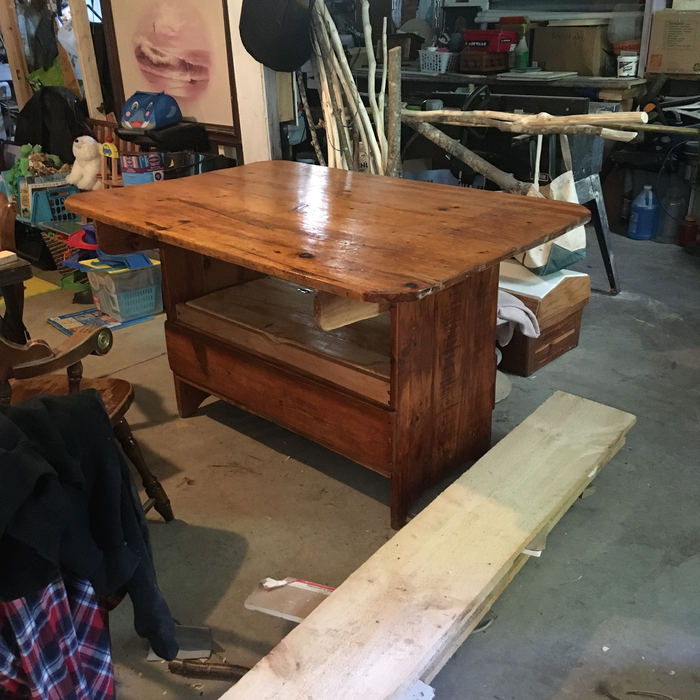
fresh cut wood
We have a vision!
Lets take them tress down!

+2

Response time2 days
Response rate88%
Recommended by75%of homeowners
Showing 1-10 of 19
Arborists questions, answered by experts

Stump grinding consists of removing the visible part of the stump, but the roots remain intact. Depending on the tree and root system, the roots may still grow after stump grinding. If you are concerned about root growth and damage, you may want to consider having a stump removed completely.

Trees don’t usually grow back after being cut down. Some particularly robust tree species may start sending up new stems from a stump to recover, but those stems won’t become a “tree” like before. Generally, trees don’t recover from being entirely cut down, which is why it’s important to be careful when making a decision. When you cut down a tree, it’s a good idea to make plans to remove the stump, even if it’s unlikely to grow back.

You don’t always need a permit to grind a stump, but you might need one depending on your location and the stump’s surroundings. Permits are often needed if the stump is part of a protected tree species, near public areas or utility lines, or close to environmentally sensitive zones like wetlands. Some cities also regulate noise and work hours. Always check local rules before grinding, and contact your city or county office if you're unsure.

Generally, you’ll want to avoid pruning more than 25% of the tree’s canopy at one time. While pruning your tree is important, it’s possible to do it too often or to go too far. Again, this is why hiring a tree trimming pro to do the work is wise. However, if you do decide to DIY, going slow and trimming gradually is the name of the game.

The ideal depth of a tree notch depends on the tree, but it should usually be between 20% and 25% of the tree’s depth. However, if the tree is leaning towards the direction of the notch, it can be cut more shallowly—at as little as 10% of the depth. When the tree is leaning away from the direction it needs to be felled, you can cut deeper, closer to 30%.

The Princeton, ME homeowners’ guide to arboricultural services

From average costs to expert advice, get all the answers you need to get your job done.