

Top-rated marble restoration pros.
Best marble restoration pros near Phippsburg, ME

Enter your zip and get matched with up to 5 pros

TRUSTED BY PHIPPSBURG, ME HOMEOWNERS

  • Average homeowner rating star icon4.4
    Average homeowner rating
  • Verified reviews icon87
    Verified marble restoration services reviews

Top-Rated Marble restoration pros in Phippsburg - Updated Nov 2026

Kanaris Group LLC
New to Angi
Stone Slab Countertops - Repair (Granite, Marble, Quartz, etc)

Serving Phippsburg, ME and surrounding areas

Approved

Free estimates

Emergency services offered

Small jobs welcome

Multi-craft technician with 10+ years across welding and fabrication, HVAC-R service, and property maintenance. U.S. Navy veteran with shipyard, structural steel, and manufacturing experience. Holds Universal EPA certification, OSHA 30, and advanced welding credentials; currently pursuing a B.S. in Business Administration. Known for reliability, safety discipline, and learning new systems fast

Avatar for Aqua Terra Blasting
Aqua Terra Blasting
5.0(
7
)
Stone Restoration & PolishingStone Restoration & Polishing - For BusinessTile: Natural Stone (Granite, Marble, Slate, Quartz, etc) - Repair

Serving Phippsburg, ME and surrounding areas

In business since 2017

Free estimates

Emergency services offered

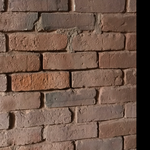
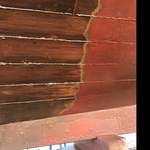
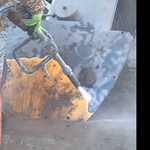
"Andy did an outstanding of stripping 150 years of paint off the Marshall Point Light in Port Clyde, Maine. The metal was taken down to bright with all paint and extensive rust being removed. This was coordinated with the painters who primed it as soon as it dried. All residue was caught and collected in tarps for proper disposal. No dust was produced. The brickworks and granite blocks were also cleaned down to original surface for priming and recoating. The job was completed timely despite inclement weather. I highly recommend Andy and Aqua Terra for any such project."
Additional Photos
Additional Photos
Additional Photos
Additional Photos
Additional Photos

+14

Recommended by100%of homeowners
Showing 1-10 of 23
Marble Restoration FAQs, answered by experts

It all comes down to rarity and demand. Granite rocks with unique patterns or rare colorways like red, purple, and blue are more expensive than traditional designs. Some types of blue granite are extremely rare, like Azul Aran and Blue Bahia, driving the price up even further. The most expensive type of all is a unique design called Van Gogh granite. As the name suggests, it sort of looks like a painting. 

The frequency for sealing granite countertops depends on several factors, including the type of sealant used, the color of the granite, and how heavily the countertops are used. As a general guideline, resealing is often recommended every 12 to 18 months, but some sources suggest it could be as often as every few months or at least once a year.

The type of sealant is a major factor: water-based sealants may need reapplication every six months to a year, while more durable solvent-based sealants can last for five to 10 years. Additionally, factors like heavy kitchen traffic, frequent use of acidic cleaners, and lighter granite colors may require more frequent sealing to prevent staining.

To determine if your countertops need resealing, you can perform a simple water test. Place a few drops of water or a wet paper towel on an inconspicuous area of the granite. After 10 to 15 minutes, check the spot. If the water has beaded up, the seal is still intact. If the water has been absorbed and darkened the stone, it's time to apply a new coat of sealant. You can choose to seal the granite yourself or hire a professional to ensure it's done correctly.

A water-based, low- or no-VOC sealer is typically a good choice for marble countertops. Choose a sealant that is certified safe for contact with food when applying to kitchen countertops. For high-traffic areas, look for formulas that have heat-resistant and acid-resistant features. While there are economical and convenient spray-on sealers, they don’t coat the surface as effectively as the ones you apply with a pad or brush. 

Professionals use resin fillers, diamond polishing pads, and sealants to restore the surface.

Engineered quartz is an artificial, nonporous material made from a mix of mined ground quartz, polymer resins, and pigments, making it a lower-maintenance option. In contrast, quartzite is a natural stone composed of sandstone, which makes it highly resistant to heat but often requires sealing and more careful upkeep. You should clean both types of stone with non-abrasive cleaners that have a low or neutral pH, avoiding acidic cleaners like vinegar, as well as wire brushes and scouring pads.

The Phippsburg, ME homeowners’ guide to marble restoration services

From average costs to expert advice, get all the answers you need to get your job done.