





Top-rated marble restoration pros.

Best marble restoration pros near Edgecomb, ME

Enter your zip and get matched with up to 5 pros

Need a pro for your marble restoration project in Edgecomb, ME?

Select your specific project to find the pro for you.

TRUSTED BY EDGECOMB, ME HOMEOWNERS

  • Average homeowner rating star icon4.5
    Average homeowner rating
  • Verified reviews icon30
    Verified marble restoration services reviews

Top-Rated Marble restoration pros in Edgecomb - Updated Nov 2026

Avatar for New England Home Renovations LLC
New England Home Renovations LLC
4.0(
311
)
Stone Restoration & PolishingStone Restoration & Polishing - For BusinessStone Slab Countertops - Repair (Granite, Marble, Quartz, etc)+1 more

Serving Edgecomb, ME and surrounding areas

In business since 1983

Free estimates

Emergency services offered

"Everything went wonderfully with this company.  They were very professional, listened to exactly what my problem was, and explained to me how they were going to diagnose the problem and/or solve it before doing any actual work.  Once they started, the team (three people came) worked together like a well-oiled machine.  One was in the room with diagnostics, one was at the fuse box looking for possible problems there, and the third went into the crawlspace beneath our house to look at the physical wiring.  Once the problem was found (there was a faulty wire beneath the house that had come loose from the junction box), it was fixed and tested within minutes and another full diagnostic was done to make sure there were no other possible issues.  They cleaned up after themselves very neatly.  They also replaced the light switch with a dimmer switch at no extra cost!  Well within my budget, and came in even lower than their original (FREE) estimate!  I would highly recommend this company to anyone in the Bergen County area.
"
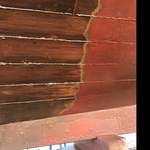
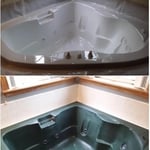
Before
After's
New boiler install
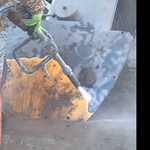
Removal of cast Iron to PVC.
Additional Photos

+37

Recommended by89%of homeowners
Showing 1-10 of 23
Marble Restoration FAQs, answered by experts

The frequency for sealing granite countertops depends on several factors, including the type of sealant used, the color of the granite, and how heavily the countertops are used. As a general guideline, resealing is often recommended every 12 to 18 months, but some sources suggest it could be as often as every few months or at least once a year.

The type of sealant is a major factor: water-based sealants may need reapplication every six months to a year, while more durable solvent-based sealants can last for five to 10 years. Additionally, factors like heavy kitchen traffic, frequent use of acidic cleaners, and lighter granite colors may require more frequent sealing to prevent staining.

To determine if your countertops need resealing, you can perform a simple water test. Place a few drops of water or a wet paper towel on an inconspicuous area of the granite. After 10 to 15 minutes, check the spot. If the water has beaded up, the seal is still intact. If the water has been absorbed and darkened the stone, it's time to apply a new coat of sealant. You can choose to seal the granite yourself or hire a professional to ensure it's done correctly.

Yes, marble countertops are fairly soft and can scratch easily, especially compared to rival materials. However, most marble scratches are easy to repair, thanks to marble polish and repair kits. Deep scratches will require a professional.

Yes, Corian® and other solid surface materials can be cut with standard woodworking tools, such as a circular saw or a jigsaw. However, it is crucial to use the correct type of blade to avoid damaging the material.

For a circular saw, a tungsten carbide-tipped blade is required; a triple chip grind blade is highly recommended. For a jigsaw, you should use a fine-tooth down-cutting blade. Do not use blades designed for cutting wood, as they can cause microfractures that weaken the edges of the countertop. A diamond blade is also unnecessary, as those are designed for harder materials like natural stone, which Corian is not.

After cutting, the edge will be rough. It is essential to sand and smooth the cut edge to prevent microfractures, which can eventually compromise the integrity of the countertop.

Using water when cutting stone drastically reduces the amount of dust that comes off the stone. It’s beneficial to cut down on the amount of dust for respiratory and other safety reasons, such as keeping your vision clear while using an electric tool. Even with protective eyewear, the dust can still cloud your safety glasses. You should always wear protective gear when cutting stone.

Yes, Corian® and other solid surface countertops can be cut with standard woodworking tools like a circular saw or a jigsaw, but using the correct blade is crucial for the best results.

The recommended blade is a tungsten carbide-tipped blade, often called a solid-surface planer or triple chip grind blade. This type of blade is hard enough to cut through the material effectively. For a jigsaw, a fine-tooth down-cutting blade should be used.

It is important to note that a diamond blade is not necessary. Diamond blades are designed for harder materials like natural stone, concrete, or brick, and Corian is not a natural stone.

Using blades designed for wood is not recommended as they can cause microfractures that weaken the countertop's edges. While a tungsten carbide blade provides a much cleaner cut, the resulting edge will still be rough and must be sanded and smoothed to prevent microfractures from developing over time.

The Edgecomb, ME homeowners’ guide to marble restoration services

From average costs to expert advice, get all the answers you need to get your job done.