





DAN'S EXCAVATION
Water Feature - Install a Pond
Serving Phillips, ME and surrounding areas
Approved
In business since 2006
Free estimates
Small jobs welcome
"Perfect job done fast and efficient"

1 neighbors recently requested a quote

*The Angi rating for Aquarium Service companies in Phillips, ME is a rating based on verified reviews from our community of homeowners who have used these pros to meet their Aquarium Service needs.
*The HomeAdvisor rating for Aquarium Service companies in Phillips, ME is a rating based on verified reviews from our community of homeowners who have used these pros to meet their Aquarium Service needs.
Last update on April 25, 2023
Serving Phillips, ME and surrounding areas
Approved
In business since 2006
Free estimates
Small jobs welcome
"Perfect job done fast and efficient"

Serving Phillips, ME and surrounding areas
In business since 1998
Free estimates
Credit card accepted
"It was great and they did the work right and they seemed to be professional and on time."



+9
Serving Phillips, ME and surrounding areas
In business since 2015
Credit card accepted
Friendly Odd Jobs is dedicated to providing our customers with the best quality and craftsmanship. We are here to build relationships with our customers and communities and to provide our employees with a great place to work. We look forward to working with you!
Serving Phillips, ME and surrounding areas
In business since 2016
Free estimates
Credit card accepted
urbanyardology.com \nquality home exterior services \n \nm-f 8-5

Serving Phillips, ME and surrounding areas
In business since 1986
Free estimates
"It was a very technical job. They did a fantastic job. They were prompt and got the job done under budget. It was a completely pleasurable experience for me and I highly recommend them to anyone!"


+1

Serving Phillips, ME and surrounding areas
In business since 2023
Free estimates
At Cash Concrete Co. we offer all services having to do with concrete slabs and pads! From the smallest entry ways to garages, basements, and warehouses we have you covered. We are an owner operated company and strive to offer the best in professionalism and quality product. As the customer you will be dealing with the owner of the company directly so that all of your needs will be met. We are timely and want to work with you to accomplish the goals in mind for all your new construction or remodeling needs!


+45
Serving Phillips, ME and surrounding areas
In business since 1980
At Reilly Builders our goal is to be the best in remodeling and additions. We have been in the business for over 20 years and are a client-focused company that strives to be the best in customer satisfaction.
From average costs to expert advice, get all the answers you need to get your job done.

Discover mosquito control service cost estimates, including average prices, key cost factors, and tips to save on professional mosquito treatments for your home.

If you’re moving, you need to consider distance, weight, packing, and more. Our guide provides the average cost to move a 3-bedroom house long distance.

Discover how much it costs to stock a pond, including average prices, key cost factors, and tips to help homeowners plan their pond stocking project.
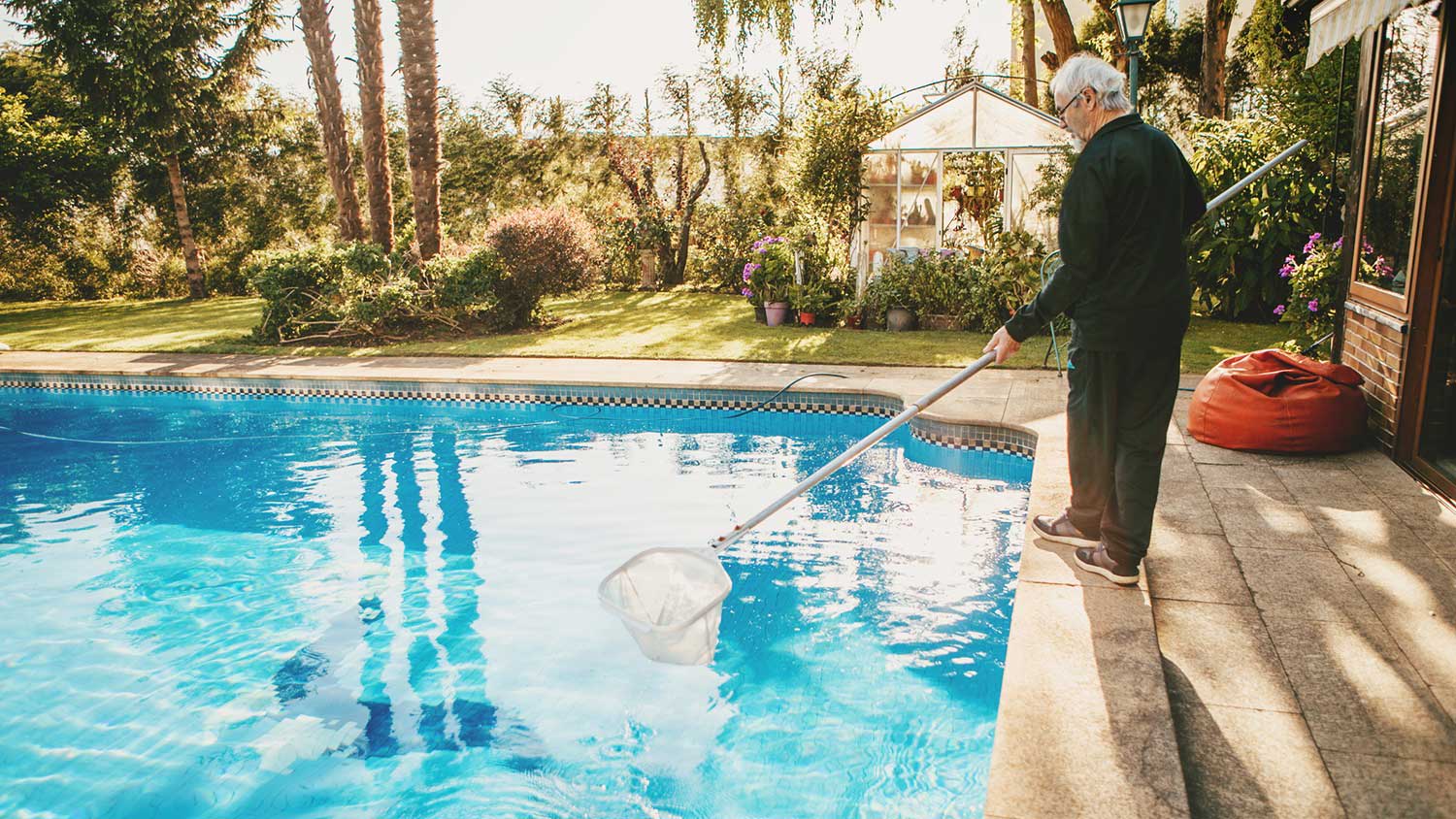
If you live in an area without very cold winters but tempted to close your pool during the cooler months, read on. We dive into the many benefits of winter service.

Learn about home items that are nearly impossible to move without movers, either because they are awkwardly shaped, too heavy, or require special equipment.

Steam cleaning makes your floors feel spotless without harsh chemicals. However, certain areas benefit from steam more than others. Here’s what you can clean with a steam cleaner.