





Top-rated pest control specialists.

Get matched with top pest control specialists in Lovell, ME

Enter your zip and get matched with up to 5 pros

Need a pro for your pest control project in Lovell, ME?

Select your specific project to find the pro for you.

Find Pest control specialists in Lovell

Avatar for Insight Pest Solutions, Maine
Insight Pest Solutions, Maine
4.3(
6
)
Pest Control - Bugs and InsectsMosquito ControlPest Control - Bed Bugs+3 more

Serving Lovell, ME and surrounding areas

Approved

In business since 2022

Free estimates

Emergency services offered

"Very impressed with this company Our technician Cory was on time very friendly and professional He explained in detail what was needed to be done We feel confident our pest issues will be resolved Definitely recommend this company"
Response time6 hrs
Response rate100%
1 neighbors recently requested a quote
Pest Control questions, answered by experts

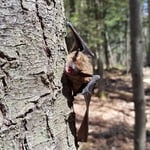
No, you shouldn’t have to worry about bats in your yard as long as they don’t make their way inside your house. Typically, bats hang around backyards in order to consume bugs, especially if they’re located in the U.S. Bats that are native to North America can consume more than 500 bugs per hour, so they may actually benefit your yard if mosquitoes are prevalent.

Wasps don’t sleep in, but they are relatively inactive at night, sticking to the confines of the nest, in what’s known as a dormant state. Additionally, female wasps hibernate throughout the winter. That’s why evenings are the best time of the day to attack wasp nests.

Fogging keeps mosquitos away for an average of 72 hours. This is the length of time that a mosquito fogging machine will continue to operate at peak performance for pest control and protection. After the initial 72 hours, the fogger may still keep mosquitos away but will gradually decrease in effectiveness.

If your stump has a pest problem, don’t worry; it won’t slow down the stump grinding process. It might even speed it up. But you may want to contact pest control afterward if it looks like a spreading infestation.

False chinch bugs are generally smaller and somewhat paler than true chinch bugs, although they otherwise look similar. The name is a bit of a misnomer: They act very similarly and both feed on plants by sucking out their juices. However, chinch bug feeding tends to be very destructive to the plant, while strangely the false chinch bug does relatively little damage.

The Lovell, ME homeowners’ guide to pest control services

From average costs to expert advice, get all the answers you need to get your job done.