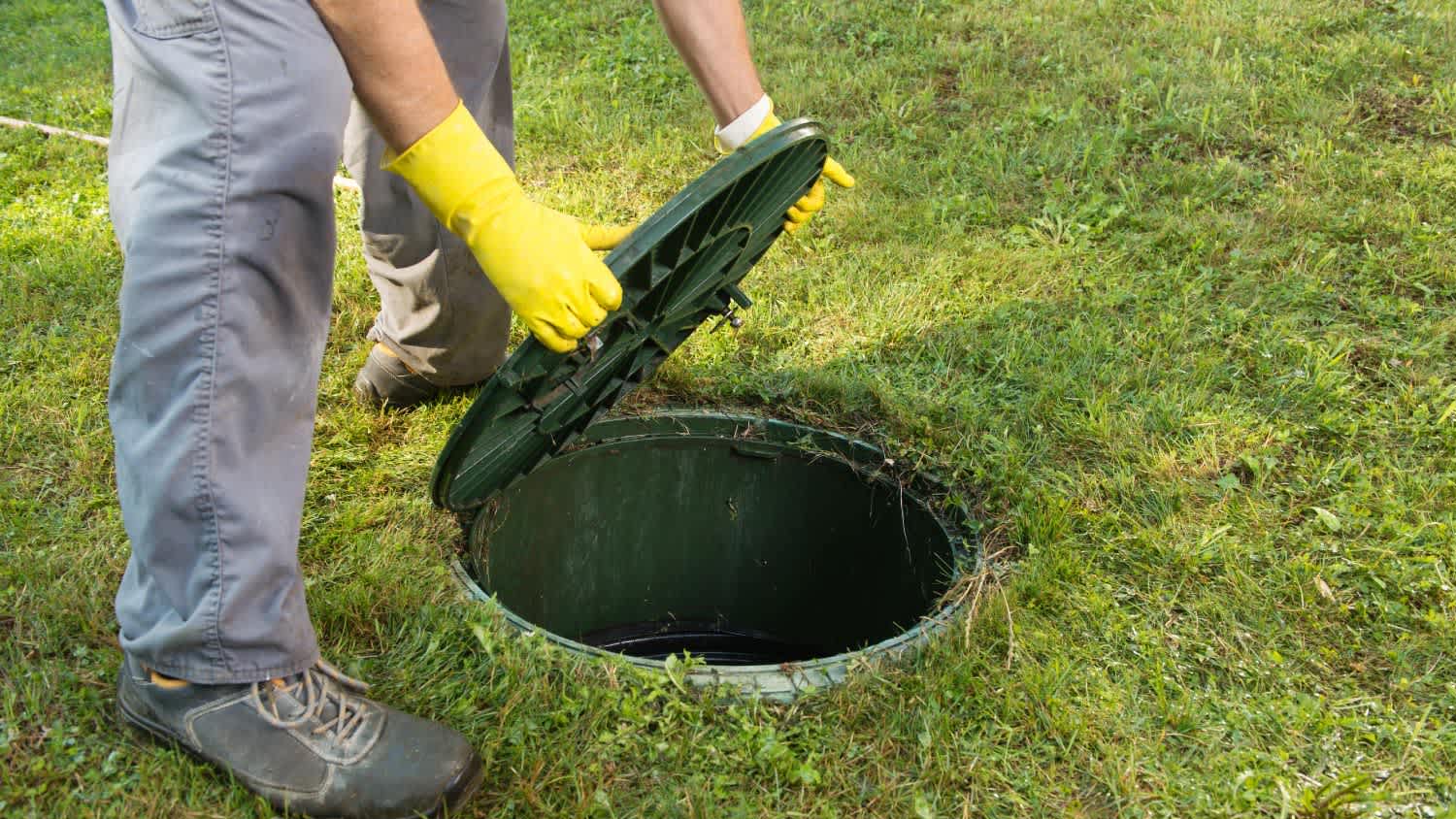
Top-rated percolation testing pros.

Get matched with top percolation testing pros in Litchfield, ME

Enter your zip and get matched with up to 5 pros

Need a pro for your percolation testing project in Litchfield, ME?

Select your specific project to find the pro for you.

TRUSTED BY LITCHFIELD, ME HOMEOWNERS

  • Average homeowner rating star icon4.6
    Average homeowner rating
  • Verified reviews icon102
    Verified percolation testing services reviews

Find Percolation testing pros in Litchfield

No results for Percolation testing pro in

Try adjusting your search criteria.
Percolation Tests questions, answered by experts

Epoxying over asbestos tiles is generally considered a safe option when done correctly. Epoxy acts as a sealant, encapsulating the asbestos tiles and preventing the release of asbestos fibers into the air. The key is ensuring that the asbestos tiles are in good condition, firmly adhered to the substrate, and not damaged or deteriorating. This method is only appropriate for tiles that are undamaged and securely in place. If the asbestos tiles are already loose, damaged, or deteriorating, encapsulating them with epoxy may not be a sufficient solution, as it might not address the potential for ongoing asbestos exposure.

Since the EPA partially banned asbestos in 1989, it is no longer used to manufacture new siding in the United States; production had largely ceased by the early 1980s. Many other countries, such as Canada, Iceland, and Denmark, also have bans on asbestos. However, asbestos siding is still present in many homes built before the late 1980s. The only definitive way to know if your siding contains asbestos is to have it professionally lab-tested.

It is not recommended to drill into asbestos siding because doing so can release hazardous asbestos fibers into the air. The safest way to handle asbestos-containing materials is to have a professional remove or encapsulate them.

If you can locate building records, you may be able simply to see what type of tiles (or bonding agent) was used. Any flooring made between 1950 and 1989 more than likely contains asbestos. Asbestos tiles can also be slightly thicker than other tiles and often measure 9” x 9”, 12” x 12”, and 18” x 18. Black mastic was a commonly used adhesive that contains asbestos.

Professionals use specialized equipment and techniques to detect asbestos, radon, and VOCs.

The Litchfield, ME homeowners’ guide to percolation testing services

From average costs to expert advice, get all the answers you need to get your job done.