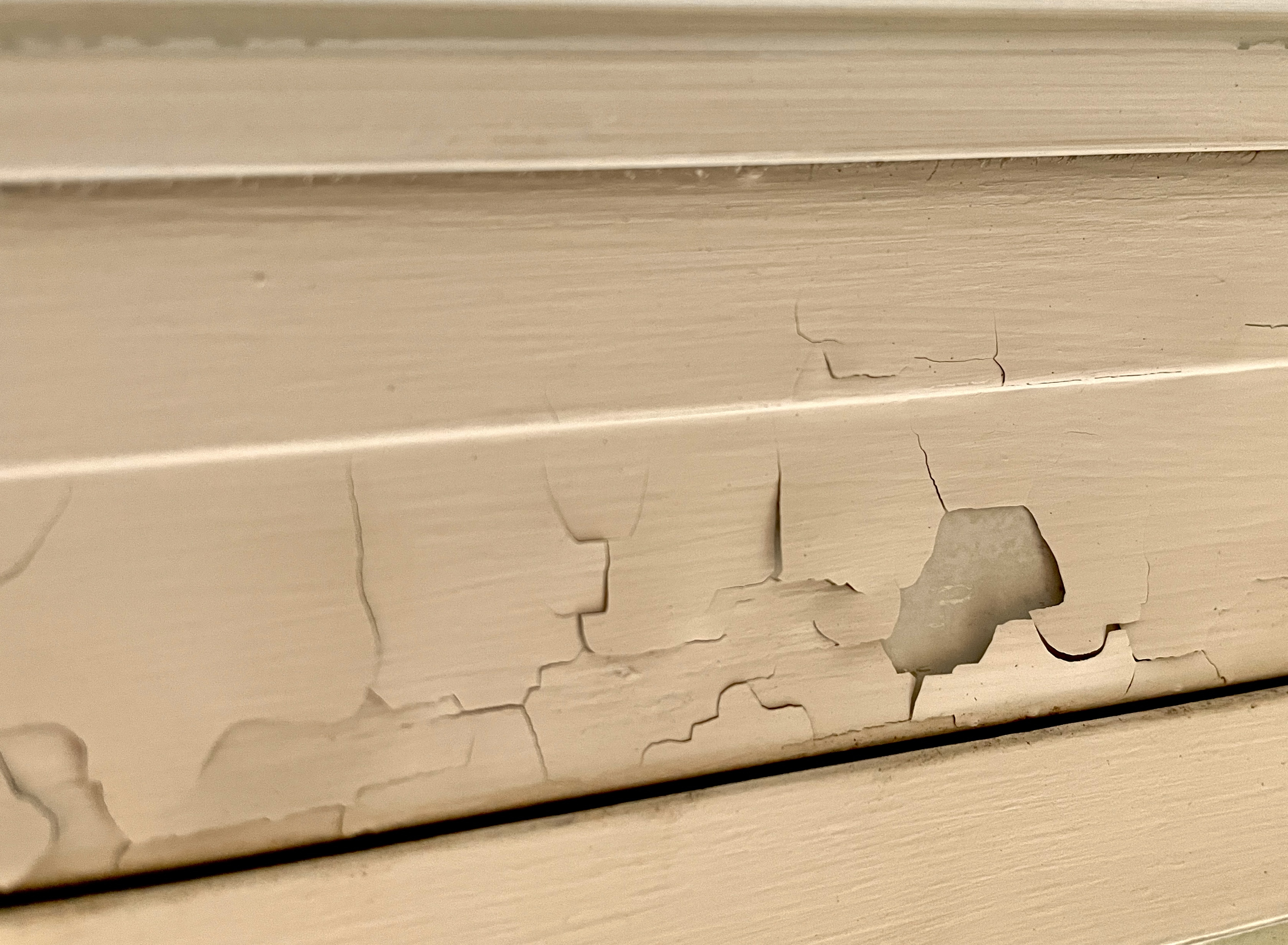
Get matched with top lead testing and removal specialists in your area
Enter your zip and get matched with up to 5 pros
Need a pro for your lead testing and removal project in Jonesboro, me?
Select your specific project to find the pro for you.
Verified Reviews for Lead Testing And Removal pros in ,
*The Angi rating for Lead Testing And Removal companies in , is a rating based on verified reviews from our community of homeowners who have used these pros to meet their Lead Testing And Removal needs.
*The HomeAdvisor rating for Lead Testing And Removal companies in , is a rating based on verified reviews from our community of homeowners who have used these pros to meet their Lead Testing And Removal needs.
Last update on December 21, 2025



Find Lead testing and removal specialists in Jonesboro
No results for Lead testing and removal specialist in
Try adjusting your search criteria.Lead Testing and Removal questions, answered by experts
The Jonesboro, me homeowners’ guide to lead testing and removal services
From average costs to expert advice, get all the answers you need to get your job done.
 •
•Get expert insights on lead paint inspection costs, including key cost factors and ways to save. Learn what affects your estimate and how to budget effectively.
 •
•Discover the average lead paint removal cost, key price factors, and tips to save on safe, professional lead paint abatement for your home.

Lead dust can be dangerous for your health and your children's health. Here's how to clean lead dust in your home to keep everyone safe.

If you live in an older home, you may be worried that lead paint is lurking. Let’s take a look at how to identify lead paint to make sure you can sleep easily.

If your home was built before 1978, it might be time to figure out how to get rid of lead paint. Explore our step-by-step guide on making your home safer.

Lead pipes can contaminate your drinking water. Read more to find out how to tell if you have lead pipes at home.