






UCA (Microbial Investigation)
Home Energy Audit
Serving Casco, ME and surrounding areas
In business since 1996
"Quality work, on time reasonable pricing with thorough effort."
Recommended by86%of homeowners

*The Angi rating for Energy Efficiency Auditing companies in Casco, ME is a rating based on verified reviews from our community of homeowners who have used these pros to meet their Energy Efficiency Auditing needs.
*The HomeAdvisor rating for Energy Efficiency Auditing companies in Casco, ME is a rating based on verified reviews from our community of homeowners who have used these pros to meet their Energy Efficiency Auditing needs.
Last update on August 21, 2026
Serving Casco, ME and surrounding areas
In business since 1996
"Quality work, on time reasonable pricing with thorough effort."

Serving Casco, ME and surrounding areas
Free estimates
"David provided work in a timely and professional manner. David is dependable and did an excellent job with both insulation and a fencing job. Call him for what you need!!"




Serving Casco, ME and surrounding areas
In business since 2022
Free estimates
Credit card accepted
"They are in the process of sending out an engineer"





+3

Serving Casco, ME and surrounding areas
In business since 2019
Credit card accepted
Offers commercial services
"I had a wonderful experience with this company. They were punctual, very friendly and kind, and clearly knew their business. I would highly recommend them to any homeowner! Great job Team!"
Serving Casco, ME and surrounding areas
In business since 2018
Free estimates
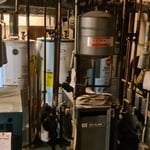
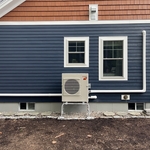
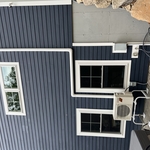
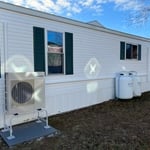
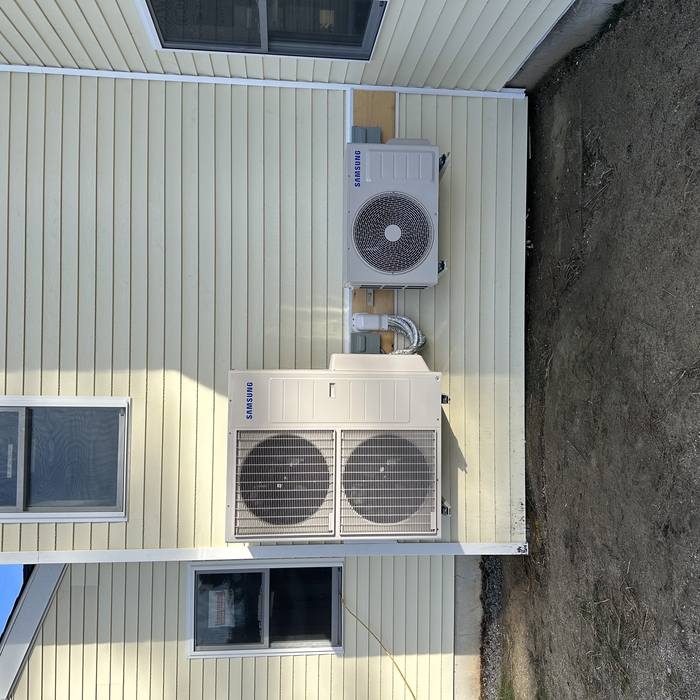
"Wonderful . Service provider was fast, knowledgeable, honest and we love the heat pumps. One of the best investments we’ve ever made!!"

+5
Serving Casco, ME and surrounding areas
In business since 2014
Free estimates
Credit card accepted
"Great customer service with Sam and our handyman George was helpful and efficient. Thank you!"
+1
Serving Casco, ME and surrounding areas
In business since 1999
Warranties offered
Credit card accepted
Home & business Energy Testing. Is your home Drafty? We think it's time to find that Draft! Let the Doc, find that energy monster and put back some cash in your pocket. Call today!
Serving Casco, ME and surrounding areas
In business since 2015
Credit card accepted
Friendly Odd Jobs is dedicated to providing our customers with the best quality and craftsmanship. We are here to build relationships with our customers and communities and to provide our employees with a great place to work. We look forward to working with you!
From average costs to expert advice, get all the answers you need to get your job done.

Discover the average home energy audit cost, what impacts pricing, and how to save money on your audit. Get transparent, expert-backed cost info for homeowners.

Get a detailed breakdown of thermal imaging home inspection costs, including average prices, cost factors, and tips to help homeowners budget.

Discover the energy-efficient window costs. Learn about installation prices, cost factors, and tips to save money on your window upgrade.

Wondering what an energy audit is and how it can help keep you safe? Keep reading to learn about home energy audits and how they can save you money.

A home energy audit is a detailed write-up of how to lower your utility bills and increase your comfort level. Find out if they’re worth the cost.
Thinking about scheduling a home energy audit? Learn how to improve energy efficiency, lower your utility bills, and hire the right local pro for the job.