



Top-rated lawn care providers.

Best lawn care providers near Brooklin, ME

Enter your zip and get matched with up to 5 pros

Need a pro for your lawn service project in Brooklin, ME?

Select your specific project to find the pro for you.

Top-Rated Lawn care providers in Brooklin - Updated Nov 2026

Avatar for TruGreen
TruGreen
3.1(
2,962
)
Lawn Care - Aerate a LawnLawn Care - Fertilize or Treat a Lawn

Serving Brooklin, ME and surrounding areas

Approved

In business since 1974

Free estimates

Warranties offered

"I think they treated the wrong lawn. The note they sent me via text message referenced trees and shrubs in my yard, I have none. They also did not leave a yard marker showing they had been there. Otherwise, this would have been a 5 star review."
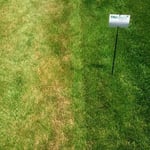
TruGreen Treated vs Non-Treated
Enjoy Your Lawn at it's Fullest Potential
TruGreen Treated vs Non-Treated
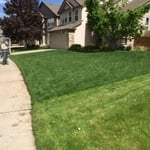
TruGreen Lawn
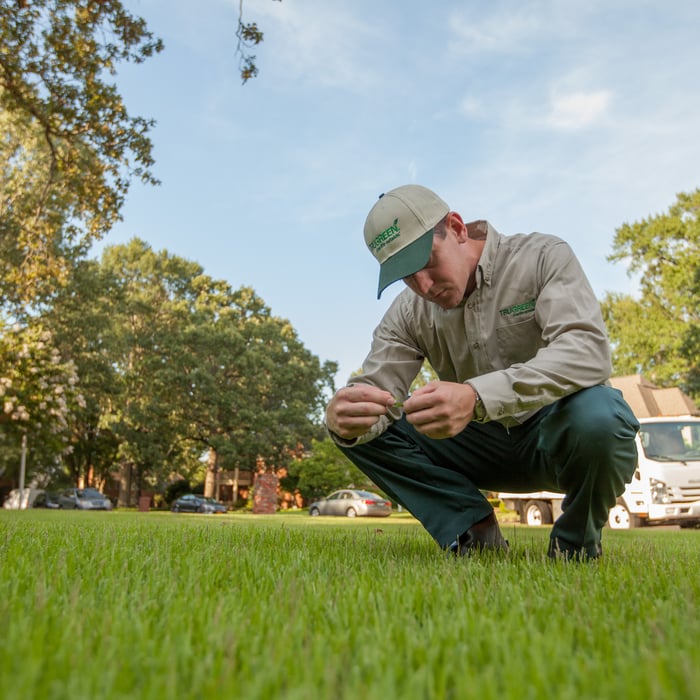
TruGreen Healthy Lawn Analysis

+4

Recommended by76%of homeowners
...
Showing 1-10 of 71
Lawns FAQs, answered by experts

Small amounts of geese are actually good for the environment. They help spread seeds and lead to more plant growth, but they’re often an invasive species, particularly Canadian geese. This means a small gaggle can quickly grow into a level that litters your lawn with bald patches and excrement.

Trees that provide a habitat to bats and an abundance of bugs—their main food source—will attract bats to your yard. Because the North American landscape has changed so much in recent years, bats have a harder time finding trees with cavities to shelter in. If your yard has a dead or dying tree with a lot of sun exposure, bats will likely be drawn to it because trees with those features are less common.

It may sound icky, but yes, urine encourages microbial activity that breaks down organic matter faster. It’s rich in nitrogen, which helps balance carbon-heavy materials like dry leaves or straw. Use sparingly and apply it to a well-balanced pile, not one already high in nitrogen. 

Leaf removal, aeration, dethatching, mowing, pruning, and fertilizing are activities that prepare lawns for the next season.

No, it’s not necessary to remove all the leaves from your lawn—in fact, leaving some behind can be beneficial. While it's important to clear thick layers of leaves that can smother your grass, leaving a light scattering of leaves can help feed your soil while also providing safe winter habitat for pollinators like bumble bees. Leftover leaves will eventually break down, enriching the soil and promoting healthy lawn growth.

The Brooklin, ME homeowners’ guide to lawn services

From average costs to expert advice, get all the answers you need to get your job done.