




Top-rated locksmiths.

Get matched with top locksmiths in Bingham, ME

Enter your zip and get matched with up to 5 pros

Need a pro for your locksmith service project in Bingham, ME?

Select your specific project to find the pro for you.

Find Locksmiths in Bingham

Avatar for Security One
Security One
4.1(
456
)
Security Safe - Install

Serving Bingham, ME and surrounding areas

In business since 2007

Credit card accepted

"I switched from another company to Security One, they use the same equipment. They had to come out and recode everything. I simply switched because of the financial benefit. I have only had them for a few months, and I haven't had any problems with them. They save me some money every month.  When my alarm went off, they did call me."
Pictures
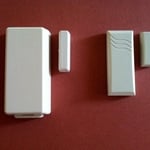
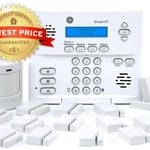
Compare our Compact Door Sensors to our Competitors
Additional Photos
Additional Photos
Additional Photos

+16

Recommended by84%of homeowners

Avatar for SkyCover
SkyCover
5.0(
5
)
Security Safe - Install

Serving Bingham, ME and surrounding areas

In business since 1998

Free estimates

Emergency services offered

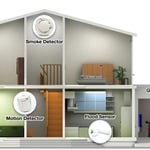
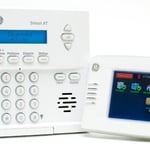
SkyCover provides a total home security and automation solution that is 100% wireless with 100% cellular monitoring and no long-term contract. SkyCover monitoring includes interactive services for remote system control and access. Trust SkyCover to deliver with risk-free 30-day trial, free shipping and no long-term contract monitoring.

Additional Photos
Additional Photos
Additional Photos
Recommended by100%of homeowners
Showing 1-10 of 24
Locksmiths questions, answered by experts

Yes, it’s possible a burglar can get through a deadbolt. Some types of deadbolts are harder for an intruder to get through, though. For example, a single-cylinder lock only requires breaking a window nearby and simply turning it. While other locks, such as a double-cylinder lock, may offer greater protection and make it harder for an intruder, no deadbolt is 100 percent effective.

Yes, as long as it’s thick enough for the deadbolt. Most interior hollow core doors are at least 1 1/2-inches thick, which is usually the minimum requirement for a deadbolt. You’ll want to find the lock block first before installing. Also, most hollow doors require additional reinforcement for locks, such as a reinforcement plate or plywood block.

A deadbolt differs from a regular lock in its design, construction, and security level. Regular locks are typically used for interior doors, such as for bedrooms and bathrooms, and provide minimal security. They are easy to install and use, often featuring a simple locking mechanism on the inside. In contrast, a deadbolt is one of the most secure locks you can install on an exterior door. Its internal construction is designed to withstand significant force, adding a crucial layer of security that can deter intruders. While deadbolts may be more expensive and complicated to install, they are cost-effective for the security they provide and are built to hold up to wear and tear.

Smart deadbolts are a worthwhile investment for homeowners seeking more convenience, flexibility, and advanced features than a traditional deadbolt can provide. While a strong conventional deadbolt offers sufficient security for most, smart deadbolts provide significant upgrades.

Key benefits include keyless entry via smartphone, keypads, or biometric sensors, and the ability to lock or unlock your door remotely. You can also manage access for guests by creating temporary codes, eliminating the need for physical keys and the risk of them being lost or duplicated. Many models integrate with smart home systems and offer features like automatic locking, entry-exit monitoring, and tamper alerts with encryption for enhanced security.

However, there are downsides to consider. Smart deadbolts are more expensive than their traditional counterparts and rely on batteries and wireless networks to function. This dependency introduces potential vulnerabilities, such as hacking by skilled intruders and privacy concerns. Installation can also be more complex. Despite these drawbacks, the added layer of convenience and protection makes them a compelling option for many.

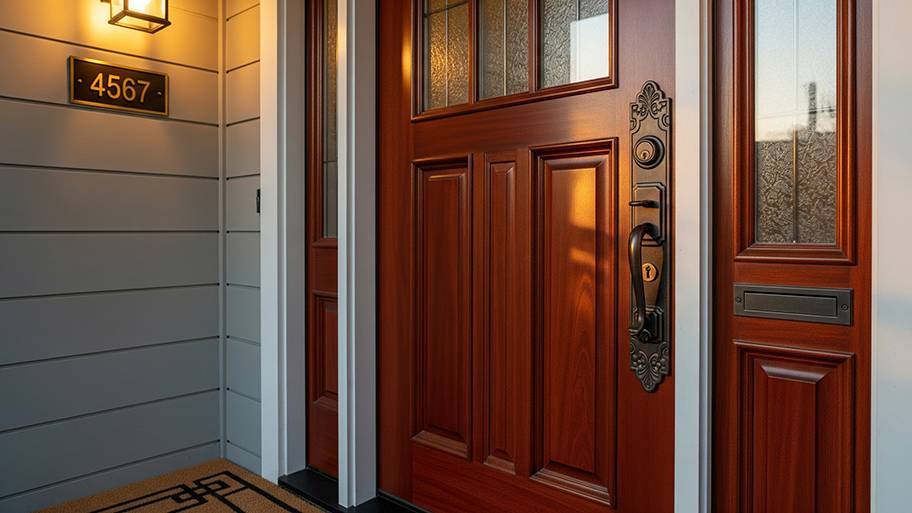
It is best to use a dry lubricant, such as a Teflon-based option, for door locks. Unlike popular oil-based lubricants, dry lubricants leave a non-stick, water-repellent coating that does not attract dust, dirt, and other debris. Using an oil-based lubricant can cause these particles to build up inside the lock, making it difficult to operate or even damaging the internal mechanism. You can find dry lubricants, some of which are made specifically for locks, at most hardware stores.

The Bingham, ME homeowners’ guide to locksmith services

From average costs to expert advice, get all the answers you need to get your job done.