




Top-rated lawn care providers.

Get matched with top lawn care providers in Anson, ME

Enter your zip and get matched with up to 5 pros

Need a pro for your lawn service project in Anson, ME?

Select your specific project to find the pro for you.

Find Lawn care providers in Anson

Avatar for TruGreen
TruGreen
3.1(
2,962
)
Lawn Care - Aerate a LawnLawn Care - Fertilize or Treat a Lawn

Serving Anson, ME and surrounding areas

Approved

In business since 1974

Free estimates

Warranties offered

"I think they treated the wrong lawn. The note they sent me via text message referenced trees and shrubs in my yard, I have none. They also did not leave a yard marker showing they had been there. Otherwise, this would have been a 5 star review."
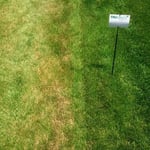
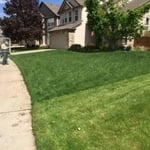
TruGreen Treated vs Non-Treated
Enjoy Your Lawn at it's Fullest Potential
TruGreen Treated vs Non-Treated
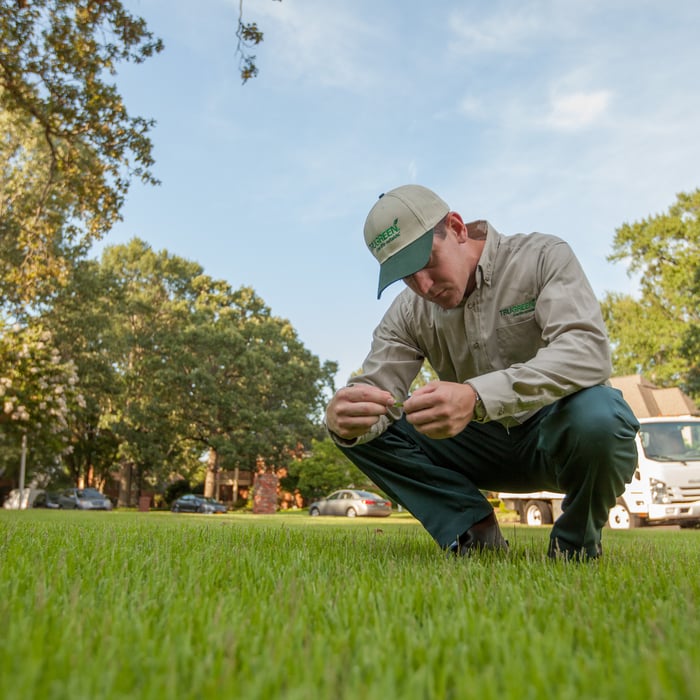
TruGreen Lawn
TruGreen Healthy Lawn Analysis

+4

Recommended by76%of homeowners

...
Showing 1-10 of 103
Lawns questions, answered by experts

The growth of tall fescue grass often causes clumps of grass in your lawn. Avoid pulling up the clumps, as it won’t effectively remove them. Instead, dig out clumps and their roots when you notice them early in the growing season. Herbicides can also treat grass clumps, but they can also affect other plants you might not want to kill, so use them sparingly and always follow manufacturer instructions.

Excavators work in tandem with dump trucks to haul away excess dirt and soil. The excavator will dig into the ground and move the excess dirt into a pile. Using a backhoe, the specialist can fill a truck with excavated soil from that pile. They will then drive the truck to a different location where they can dump the material.

Digging a bush up by the roots is the most natural DIY method for removing a bush stump. Start by identifying the shrub type and revealing its roots. Cut the shrub to its base and loosen the soil, ensuring no utility lines are nearby. Optionally, treat the base with herbicide, then dig around the roots and cut a circle around the shrub using various tools. Dig a trench, cut the base of the root ball, and finally fill the hole to prevent regrowth. This thorough process ensures complete removal without damaging surrounding areas.

No, it’s not necessary to remove all the leaves from your lawn—in fact, leaving some behind can be beneficial. While it's important to clear thick layers of leaves that can smother your grass, leaving a light scattering of leaves can help feed your soil while also providing safe winter habitat for pollinators like bumble bees. Leftover leaves will eventually break down, enriching the soil and promoting healthy lawn growth.

In the fall, you should aerate the soil, overseed the bare spots, kill weeds, mow the lawn low, and rake your leaves. By boosting your lawn’s health in the fall, your grass will be stronger throughout the winter and come back healthier in the spring. You should also trim your perennials so that they withstand the winter and are ready for new growth in the spring. 

The Anson, ME homeowners’ guide to lawn services

From average costs to expert advice, get all the answers you need to get your job done.