





Top-rated weed maintenance pros.

Get matched with top weed maintenance pros in Street, MD

Enter your zip and get matched with up to 5 pros

Need a pro for your weed maintenance project in Street, MD?

Select your specific project to find the pro for you.

TRUSTED BY STREET, MD HOMEOWNERS

  • Average homeowner rating star icon4.5
    Average homeowner rating
  • Verified reviews icon397
    Verified weed maintenance services reviews

Find Weed maintenance pros in Street

No results for Weed maintenance pro in

Try adjusting your search criteria.
Weed Services questions, answered by experts

Each season’s climate influences approaches needed for effective suppression.

Weeds can grow through rubber mulch, but it depends on if you removed all the weeds in your garden beforehand. Weeds already in the soil can grow even when using rubber mulch. However, that doesn’t mean that your garden will be littered with rubber and weeds, but it does mean that the occasional weed might still pop up. Another way you can increase your weed suppression is by using landscape fabric as a second layer. 

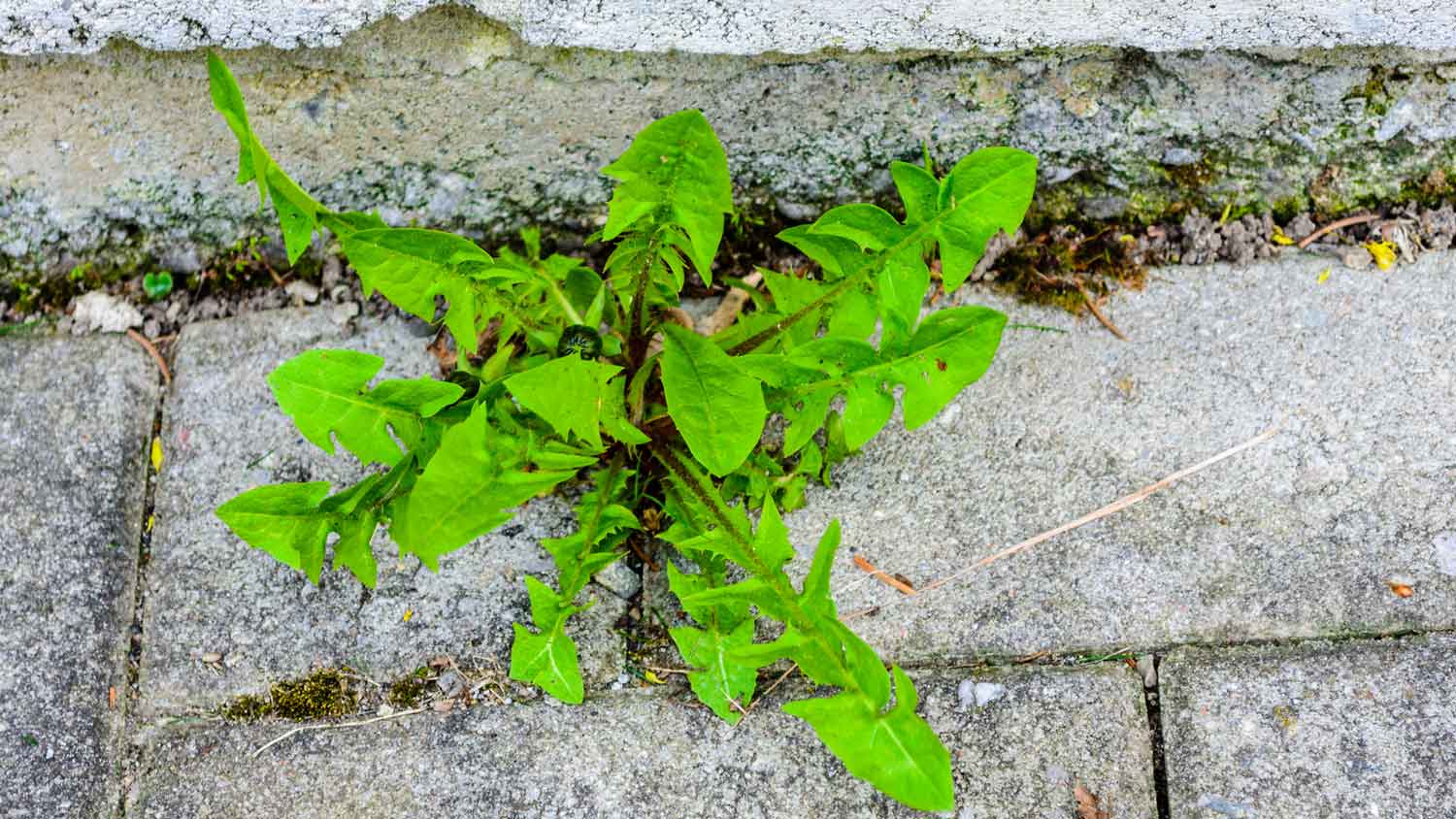
Technically, dandelions aren’t bad for your lawn, and they don’t directly kill grass. In fact, they appear in areas that are nutrient-deprived, and their long taproots can loosen the soil and bring nutrients closer to the surface. 

However, dandelions do spread quickly, and they can take over your lawn, eventually crowding out grass. This is why a healthy lawn is the best defense against dandelions.

All herbicides come with risks, but you can control and mitigate risks by discussing your options with your weed service company before application. Some companies use milder or sustainable herbicides more times per season to control weeds rather than one to two herbicide sprayings annually. You can also ask your professional about pet-friendly and kid-friendly services. In most cases, though, you can wait a few days after the application for the herbicides to soak into the ground, at that point they shouldn’t pose a risk to you or your family.

It’s not legal to intentionally damage a neighbor’s tree. Even if the roots of a tree encroach into your yard, if you damage or kill a tree that belongs to your neighbor, you can be held liable for the damage in most cases. Since herbicides can spread through the tree, causing damage to the whole tree and not just the roots that are on your side of the property line, you shouldn’t poison your neighbor’s tree. The other downside to this method is that if the tree dies, it can fall onto your property and cause more damage, so herbicides are best avoided in this circumstance.

The Street, MD homeowners’ guide to weed maintenance services

From average costs to expert advice, get all the answers you need to get your job done.