



Top-rated lead testing and removal specialists.

Best lead testing and removal specialists near Maugansville, MD

Enter your zip and get matched with up to 5 pros

Need a pro for your lead testing and removal project in Maugansville, MD?

Select your specific project to find the pro for you.

Top-Rated Lead testing and removal specialists in Maugansville - Updated Nov 2026

Avatar for Mid Atlantic
Mid Atlantic
4.9(
18
)
Toxic Lead - Testing

Serving Maugansville, MD and surrounding areas

In business since 1985

Free estimates

Emergency services offered

"Inspector responded promptly to my service request. Came on time and was very descriptive while addressing our concerns. He even provided some information on seperate home items that were not part of the service we requested. Also, very respectful of our property. (He actually took his shoes off because we had new carpet.) WIll use again. Thank you!"
Crawl Space
Crawl Space
Crawl Space
Crawl Space
Recommended by100%of homeowners

Avatar for Stanley S. Savoy
Stanley S. Savoy
5.0(
5
)
Toxic Lead - Testing

Serving Maugansville, MD and surrounding areas

In business since 2011

Free estimates

Credit card accepted

"Staley was great ! Very professional -- gave a good description of the lead testing process and did his job thoroughly and quickly. I felt his fee was very reasonable in comaparison to other companies/individuals I had spoken to about the service. I would definitely recommend hsi services !"
Response time8 hrs
Recommended by100%of homeowners
F .Y .T. Group, Inc.
0.0(
1
)
Toxic Lead - AbatementToxic Lead - Testing

Serving Maugansville, MD and surrounding areas

In business since 2002

Francis has over 10 years of experience in providing service for both residential and commercial clients. He has a specialized education in his field to ensure your safety with high quality, professional analysis. Since Francis personally monitors each project, you can count on a thorough and meticulous job, with the highest quality available. Customer satisfaction is guaranteed, and you may expect competitive pricing without compromising on quality or safety. Give Francis a call today. He proudly serves the D.C. Metro area.

Lead Testing and Removal FAQs, answered by experts

Determining if your water main contains lead involves a few steps. First, check the age of your property, as homes built before the 1980s might have lead pipes. Contact your water utility company for information on your service line material. Then, you can hire a professional plumber to conduct an inspection or use a lead testing kit to analyze water from the main line.

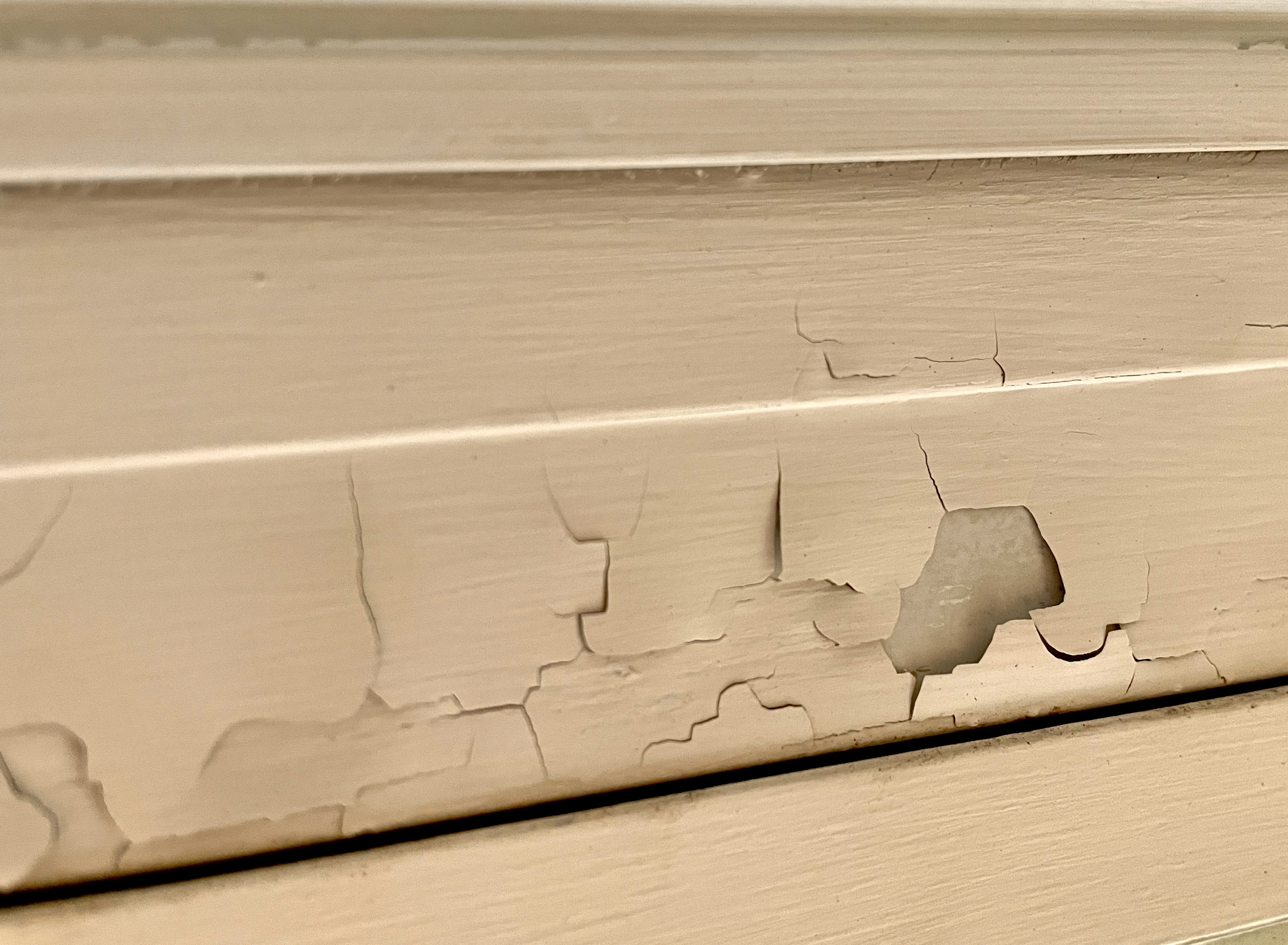
If the lead paint is in a place that is not easily disturbed and is not flaking or deteriorating, you do not necessarily need to remove it. Lead is toxic when dust particles or flakes from peeling lead paint are ingested. If people are not in the area with the lead paint, it may be safe to leave it in place. You still may want to consider encapsulation with a paint formulated for covering lead-based paint, just for an added layer of protection.

While the EPA provides guidelines for homeowners to perform DIY lead paint removal, it is a risky process and generally not recommended due to serious health risks and strict regulatory requirements. The process requires precise safety precautions, such as wearing a respirator and protective eyeglasses, creating sealed exits, and using a HEPA vacuum for cleanup. To ensure the job is done safely, effectively, and in compliance with regulations, it is highly recommended to hire a professional lead abatement company. Certified professionals have the necessary training, experience, and specialized equipment (like chemical strippers and HEPA vacuums) to handle and dispose of hazardous materials safely.

While not all homes built before 1978 contain lead paint, enough do, so you’ll still want to test to be on the safe side. The federal government banned lead-based paint for homes in 1978, but your state may have banned lead before that time. Around 24% of homes built between 1960 and 1977 contained lead-based paint, while 87% of homes built before 1940 contained lead-based paint.

According to the Environmental Protection Agency (EPA), hazardous waste is generally classified into four main categories:

1. Characteristic Wastes: These exhibit at least one of four hazardous traits: ignitability (flammable, like gasoline), corrosivity (can rust or decompose materials, like car batteries), reactivity (unstable and can explode, like aerosol cans), or toxicity (harmful when ingested, like lead-based paint).

2. Listed Wastes: These are specific wastes from manufacturing and industrial processes that the EPA has officially designated as hazardous. They include byproducts from processes that use solvents, pesticides, and other chemicals.

3. Universal Wastes: These are commonly generated hazardous items that are subject to streamlined regulations. Examples include batteries, pesticides, mercury-containing equipment (e.g., bulbs), and some lamps.

4. Mixed Wastes: This category includes waste that contains both hazardous and radioactive components, making it subject to regulation by both the EPA and the Nuclear Regulatory Commission.

The Maugansville, MD homeowners’ guide to lead testing and removal services

From average costs to expert advice, get all the answers you need to get your job done.