


Top-rated concrete cutting pros.

Get matched with top concrete cutting pros in Hurlock, MD

Enter your zip and get matched with up to 5 pros

Need a pro for your concrete cutting project in Hurlock, MD?

Select your specific project to find the pro for you.

Find Concrete cutting pros in Hurlock

Avatar for C & D'S INSTALLERS
C & D'S INSTALLERS
4.3(
39
)
Concrete - Sawing or RemovalConcrete - Sawing or Removal- For Business

Serving Hurlock, MD and surrounding areas

In business since 1995

Credit card accepted

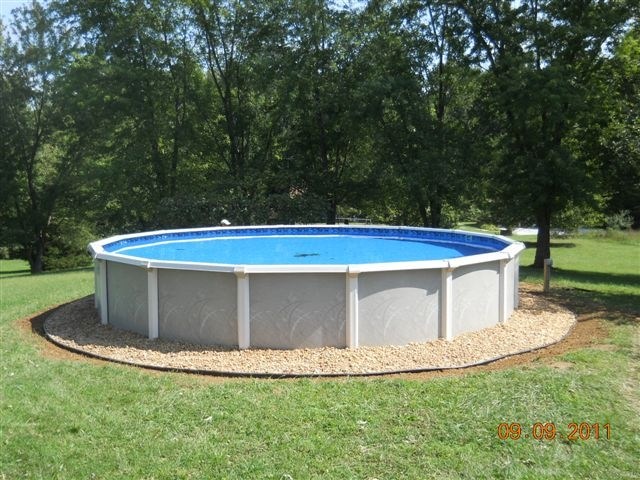
"It went well. When the excavator was working, I didn't really understand when he asked if we wanted to "feather" the uneven ground around the pool- so now we have a lot of ground without the grass that was there because the feathering was put over top of the grass - killing it. Overall, I would recommend C&D's. They were very responsive every step."
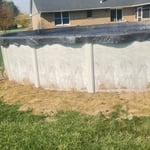
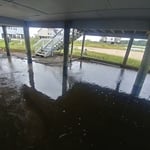
completed back fill
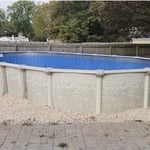
Finished Wooden Outline Border Landscaping
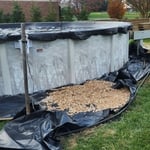
Laying the 6 Mil Plastic for the Weed & Water Control around the Pool for the Commercial Black Border Outline Landscaping Project
Prepping the Pool for the Commercial Black Border Outline Landscaping Project
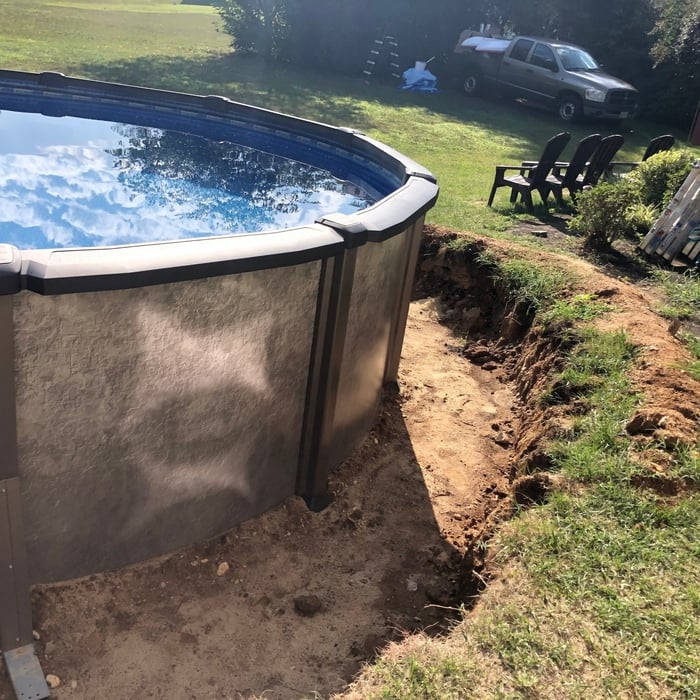
Start of the Backfill process

+33

Recommended by80%of homeowners
Showing 1-10 of 43
Concrete Cutting questions, answered by experts

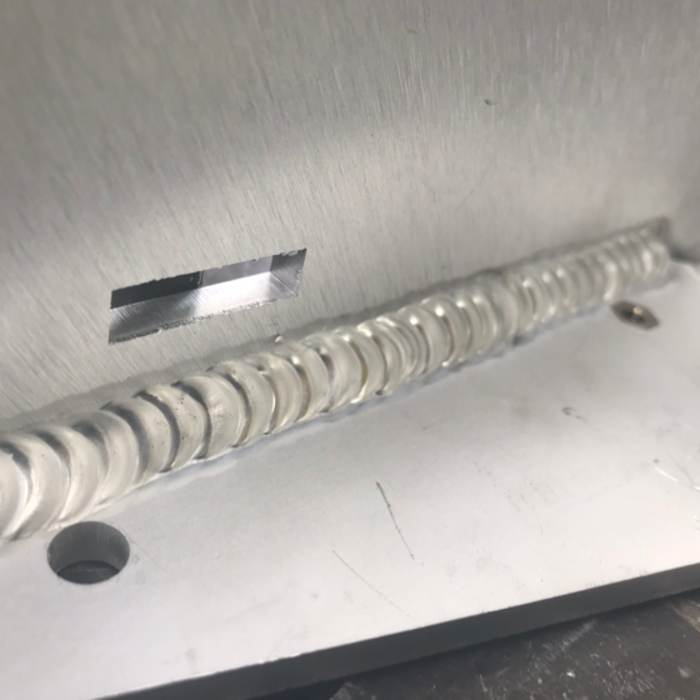
Welders use a variety of methods in their trade. Different types of welding are better suited for different purposes and contexts. For example, stick welding is a versatile form suitable for most metals and alloys. The most common types of welding include:

  • Stick welding: $100–$1,000

  • Metal Inert Gas (MIG) welding: $250 and up

  • Tungsten Inert Gas (TIG) welding: $250 and up

  • Gas welding: $150 and up

  • Forge welding: $15–$25 per hour

Professional metal fabricators typically charge around $70 per hour, but the total cost of your project will depend on several factors. The largest cost drivers are the size, complexity, and design of the project, as well as the price and type of metal used. A good way to estimate the total cost is to multiply the cost of raw materials by four; typically, one-quarter of the total goes toward materials and three-quarters toward labor. Your geographic location can also influence costs, as labor and material prices vary by region.

Yes, you can use a saw to cut metal pipes. The best saw to use is a reciprocating saw, but even a fine-tooth hacksaw can get the job done. No matter which saw you use to cut metal pipes, wear protective gear, like work gloves, safety goggles, and ear plugs. Apply a firm, steady pressure to the tool, and always ensure the pipes are secured so they don't move while you make the cuts.

This all depends on the tools you have on hand and whether you’re trying to cut a straight line or shapes. 

The best tool to use for straight lines is either a circular saw or table saw. When cutting shapes, a jigsaw will be the easiest and most precise tool to use. 

You should not do your own welding unless you have the proper training and experience. Most home electrical systems can only handle MIG welding, which creates weaker bonds than TIG welding and won’t work on certain metals or metal thicknesses. Both welding forms usually require the use of shielding gas, which can be dangerous to store at home. Additionally, welding machines create temperatures of over 3,000 degrees, and the sparks can blind you if you don’t have the proper equipment. As such, it’s usually better to hire a professional welder for your welding projects.

The Hurlock, MD homeowners’ guide to concrete cutting services

From average costs to expert advice, get all the answers you need to get your job done.