






•
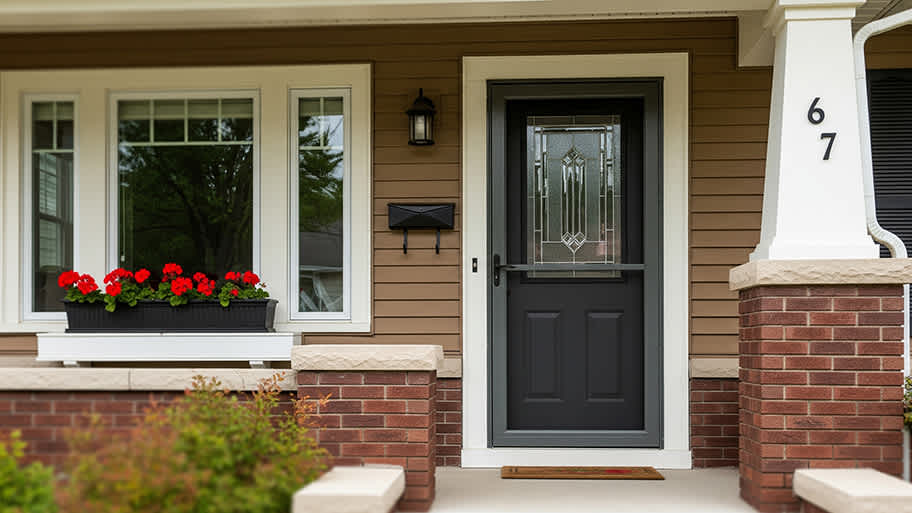
Find out the average storm door installation cost in Baltimore, MD. Learn what you can expect to pay for materials and labor to upgrade your entryway.

 4.6
 2.3k+
*The Angi rating for Doorbell Installation companies in Hampton, MD is a rating based on verified reviews from our community of homeowners who have used these pros to meet their Doorbell Installation needs.
*The HomeAdvisor rating for Doorbell Installation companies in Hampton, MD is a rating based on verified reviews from our community of homeowners who have used these pros to meet their Doorbell Installation needs.
Last update on October 16, 2024
From average costs to expert advice, get all the answers you need to get your job done.
Find out the average storm door installation cost in Baltimore, MD. Learn what you can expect to pay for materials and labor to upgrade your entryway.
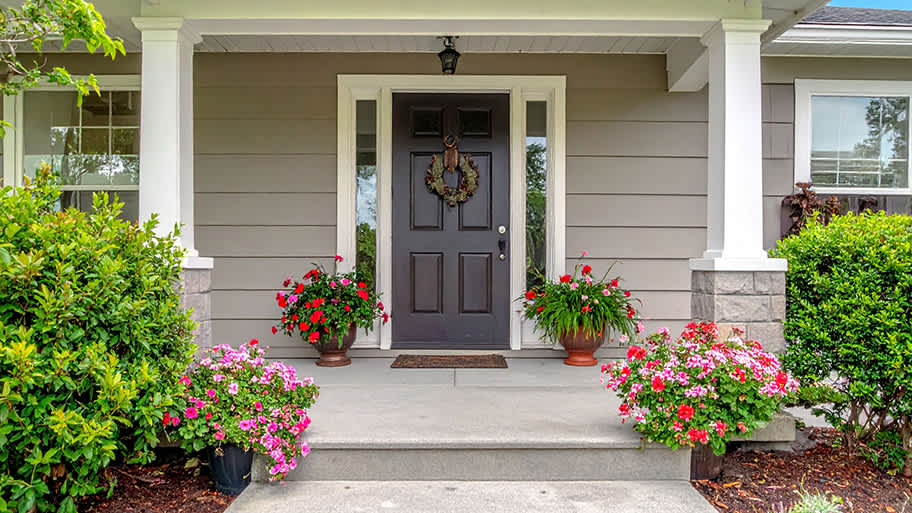
Wondering about the door installation and replacement cost in Baltimore, MD? Learn what you can expect to pay for local door replacement services today.
Find the average interior door installation cost in Baltimore, MD. Learn what to expect to pay for local door replacement and plan your home upgrade today.

Someone's at the door! Learn how to install a doorbell with a wired kit in this eight-step guide.

Doorbell wiring is a project you can DIY. This guide covers everything you need to know, from different types of doorbells to wiring, and how to remove an old doorbell.

Ready to upgrade your front door and learn how to wire a doorbell? You may be able to handle this relatively simple DIY installation without an electrician.