Top-rated lead testing and removal specialists.

Best lead testing and removal specialists near Woods Hole, MA

Enter your zip and get matched with up to 5 pros

Need a pro for your lead testing and removal project in Woods Hole, MA?

Select your specific project to find the pro for you.

Top-Rated Lead testing and removal specialists in Woods Hole - Updated Nov 2026

Avatar for Atner Group, LLC
Atner Group, LLC
5.0(
5
)
Toxic Lead - Abatement

Serving Woods Hole, MA and surrounding areas

Approved

In business since 2023

Free estimates

Emergency services offered

"Peter was great to work with and I’d highly recommend him. He was professional, a good communicator, and accommodating as changes came up to our project and helped to find solutions to unblock our lead remediation work alongside our home renovation happening at the same time."
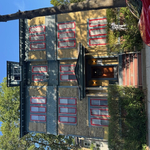
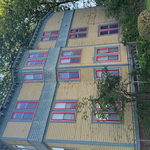
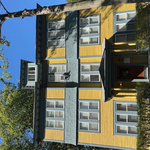
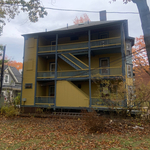
Exterior Multi-Family
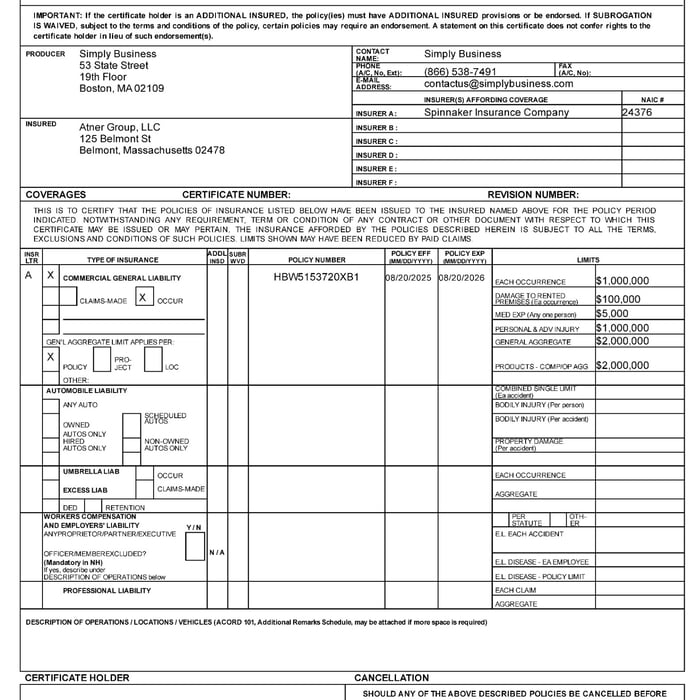
Liability Insurance

+17

14 neighbors recently requested a quote
Lead Testing and Removal FAQs, answered by experts

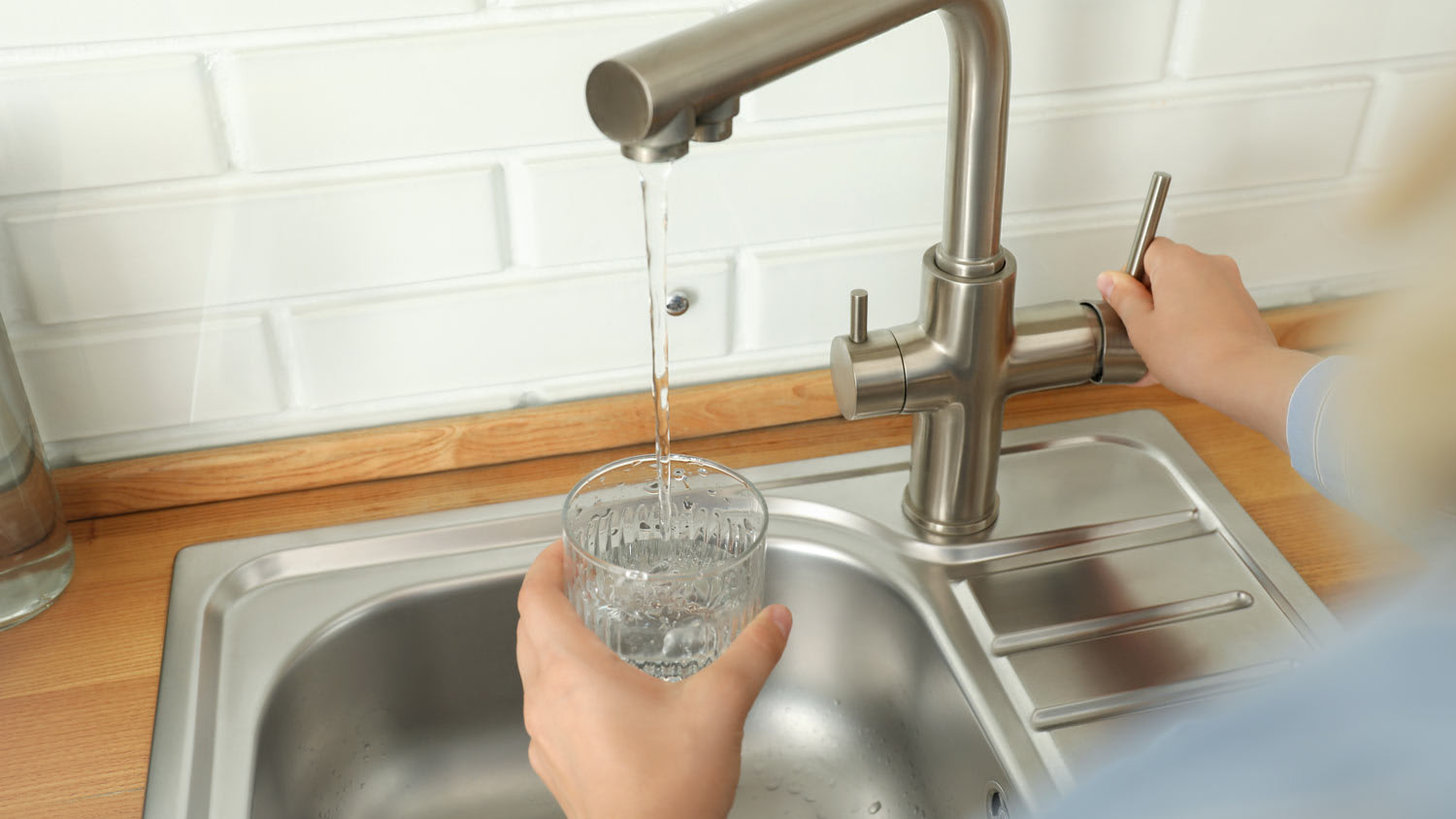
Several different measurements may be used to determine the amount of lead in water. The most common unit of measurement is micrograms per liter (µg/L), which is the same as parts per billion. Another measurement is milligrams per liter (mg/L), which is the same as parts per million.

Lead exposure poses serious health risks, particularly for children, and can be present in paint, pipes, and soil.

At-home lead tests can provide accurate results if used correctly, and if the kits are reputable and certified. They vary in sensitivity and methodology, influencing their accuracy. Follow instructions meticulously, ensuring proper sample collection and test execution. While they can detect elevated lead levels, for precise confirmation or if results are concerning, consider professional testing or lab analysis for comprehensive accuracy and guidance on addressing any issues.

Yes, testing professionals typically provide reports with recommendations for safe lead removal.

According to the Environmental Protection Agency (EPA), hazardous waste is generally classified into four main categories:

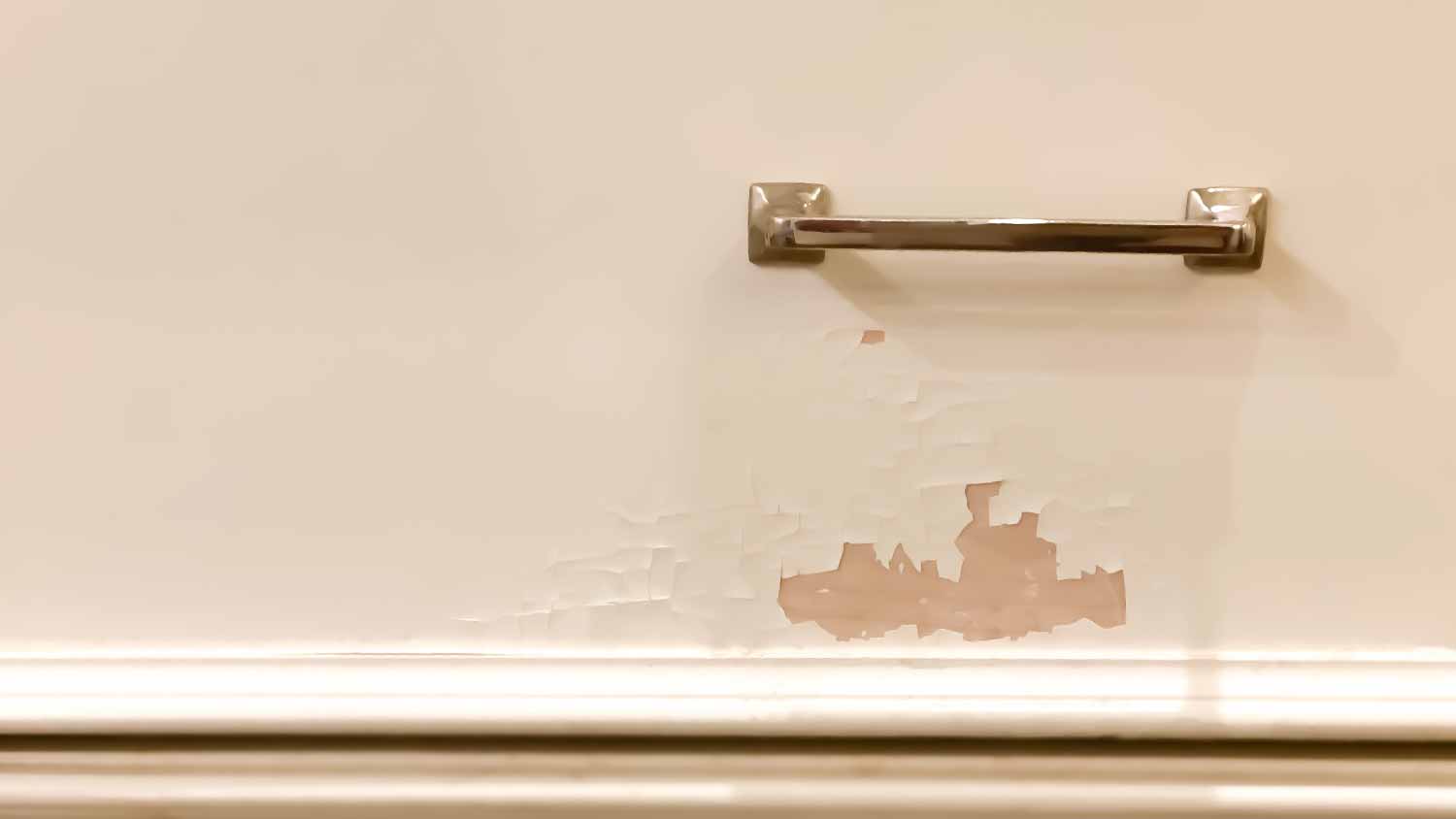
1. Characteristic Wastes: These exhibit at least one of four hazardous traits: ignitability (flammable, like gasoline), corrosivity (can rust or decompose materials, like car batteries), reactivity (unstable and can explode, like aerosol cans), or toxicity (harmful when ingested, like lead-based paint).

2. Listed Wastes: These are specific wastes from manufacturing and industrial processes that the EPA has officially designated as hazardous. They include byproducts from processes that use solvents, pesticides, and other chemicals.

3. Universal Wastes: These are commonly generated hazardous items that are subject to streamlined regulations. Examples include batteries, pesticides, mercury-containing equipment (e.g., bulbs), and some lamps.

4. Mixed Wastes: This category includes waste that contains both hazardous and radioactive components, making it subject to regulation by both the EPA and the Nuclear Regulatory Commission.
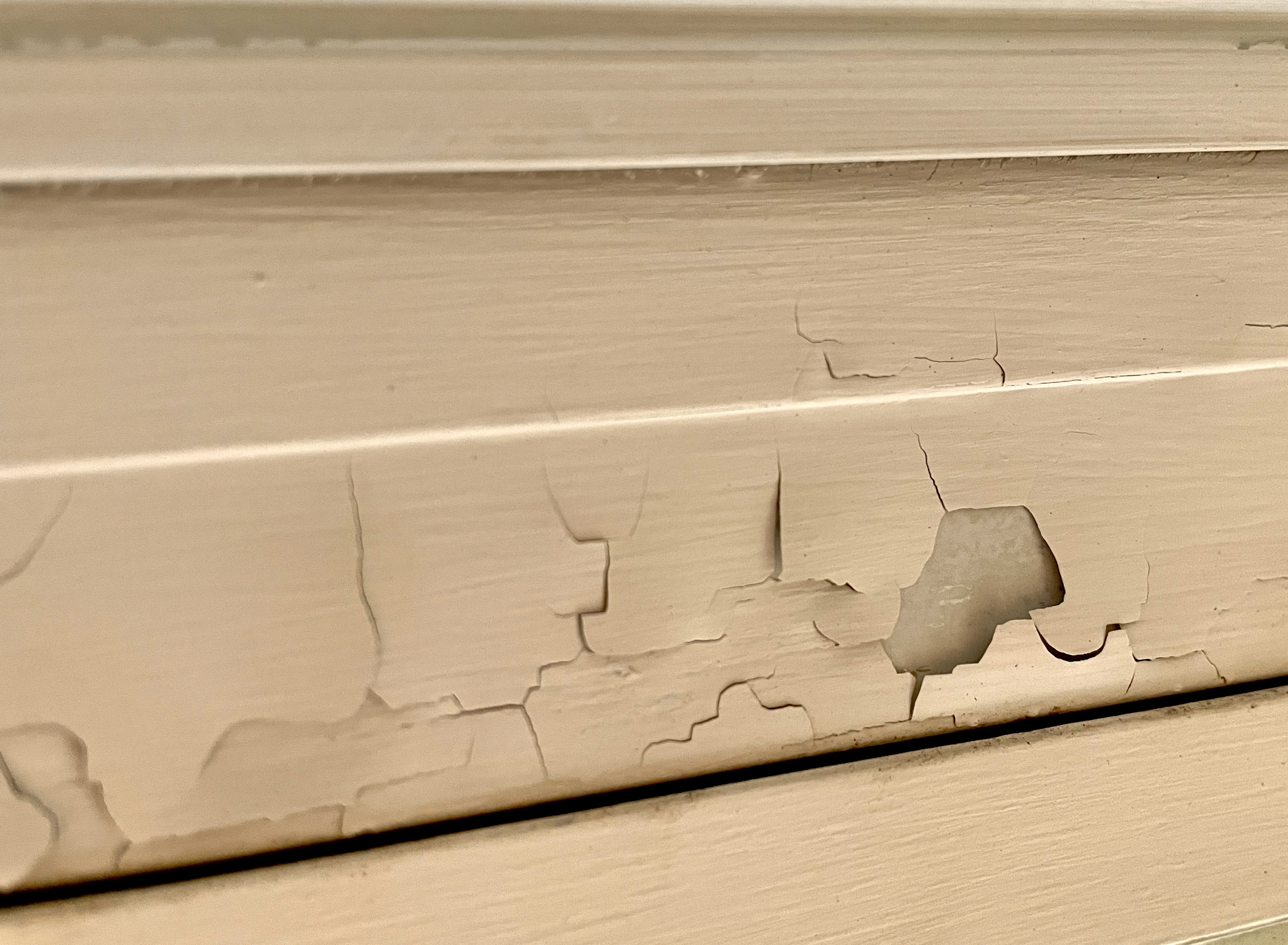

The Woods Hole, MA homeowners’ guide to lead testing and removal services

From average costs to expert advice, get all the answers you need to get your job done.