





Top-rated pressure washers.

Get matched with top pressure washers in Ware, MA

Enter your zip and get matched with up to 5 pros

Need a pro for your pressure washing project in Ware, MA?

Select your specific project to find the pro for you.

TRUSTED BY WARE, MA HOMEOWNERS

  • Average homeowner rating star icon4.7
    Average homeowner rating
  • Verified reviews icon79
    Verified pressure washing services reviews

Find Pressure washers in Ware

VW Precision
5.0(
1
)
Exterior Surfaces - PowerwashingExterior Surfaces - Powerwashing - For Business

Serving Ware, MA and surrounding areas

Approved

Free estimates

Credit card accepted

Offers commercial services

"Vinny did a great job painting my garage. This involved 2 colors, separated by a horizontal line, which he executed with great care. He also painted a fluorescent border line to help with stair safety. I also asked him to repair a cabinet shelf, which was done very professionally. He was prompt, professional and corteous. I recommend him without reservations."
1 neighbors recently requested a quote
...
Showing 1-10 of 111
Pressure Washing questions, answered by experts

You should avoid using a pressure washer on any surface or item that could be damaged by the high-pressure spray, as some materials are too delicate to withstand the force.

Key items and surfaces to avoid include:

  • Electrical Components: Never pressure wash electrical systems, as water can cause short-circuits and create a safety hazard. This includes utility meters, breaker boxes, electrical outlets, generators, and HVAC or air conditioner units.

  • Delicate and Fragile Materials: Fragile items can crack, shatter, or be stripped by the pressure. Avoid pressure washing windows, glass, light fixtures, shingled roofs (especially asphalt), and stucco.

  • Painted, Stained, or Sealed Surfaces: Unless your goal is to strip the finish, do not pressure wash painted surfaces, stained wood (like decks), or anything with a protective seal that could be stripped away. Be especially cautious with older surfaces that may contain lead paint.

  • Soft Woods and Certain Decking: Delicate surfaces like softwood, composite decking, and antique or wooden patio furniture can be etched or damaged. If you must wash wood, use a lower-powered pressure washer with a wide-angle nozzle to prevent damage.

  • Living Things: Never use a pressure washer on people, pets, or plants. The force can cause serious injury and will destroy landscaping.

The ideal PSI (pounds per square inch) for a pressure washer depends on the surface you are cleaning. For general home use, a pressure washer with a range of 2,000 to 3,000 PSI is recommended and powerful enough for most residential projects.

The specific PSI you should use varies by task:

  • High-Pressure Tasks (2,500-3,000 PSI): Tough materials like concrete, stone, masonry, and brick can handle higher pressures. This is suitable for removing stubborn stains from driveways or cleaning graffiti.

  • Low-Pressure Tasks (around 600-1,300 PSI): Softer surfaces require a gentler touch to avoid damage. Use a low PSI setting for cleaning wood decks (especially softwoods like pine and cedar), vinyl siding, outdoor furniture, and stucco.

For best results, choose the right nozzle for your surface, such as a 15-degree nozzle for siding or a surface cleaner attachment for driveways. Using an extendable wand can also make the work easier and more ergonomic.

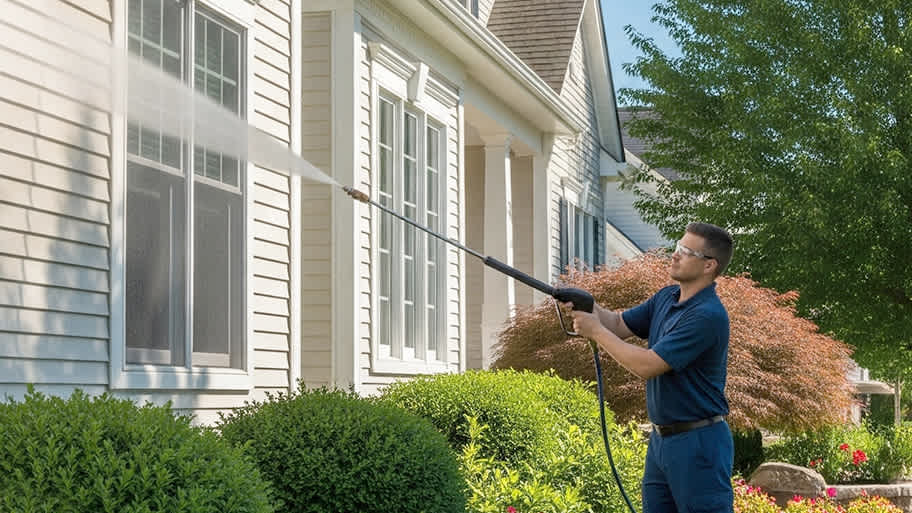
It’s not necessary, but you can absolutely use soap or detergent when pressure washing your house. Washing with a mixture of soap and water will ensure your siding is spotless when you’re finished. However, in many cases it is not necessary to use soap and you can still achieve a powerful result without any product. 

Yes, you can pressure wash metal fences. However, as with other fencing materials, it’s important to use the right PSI when pressure washing a steel, aluminum, or other metal fence. If you apply too much pressure, you could strip off the paint, ruin the protective coating, or otherwise damage the fence.

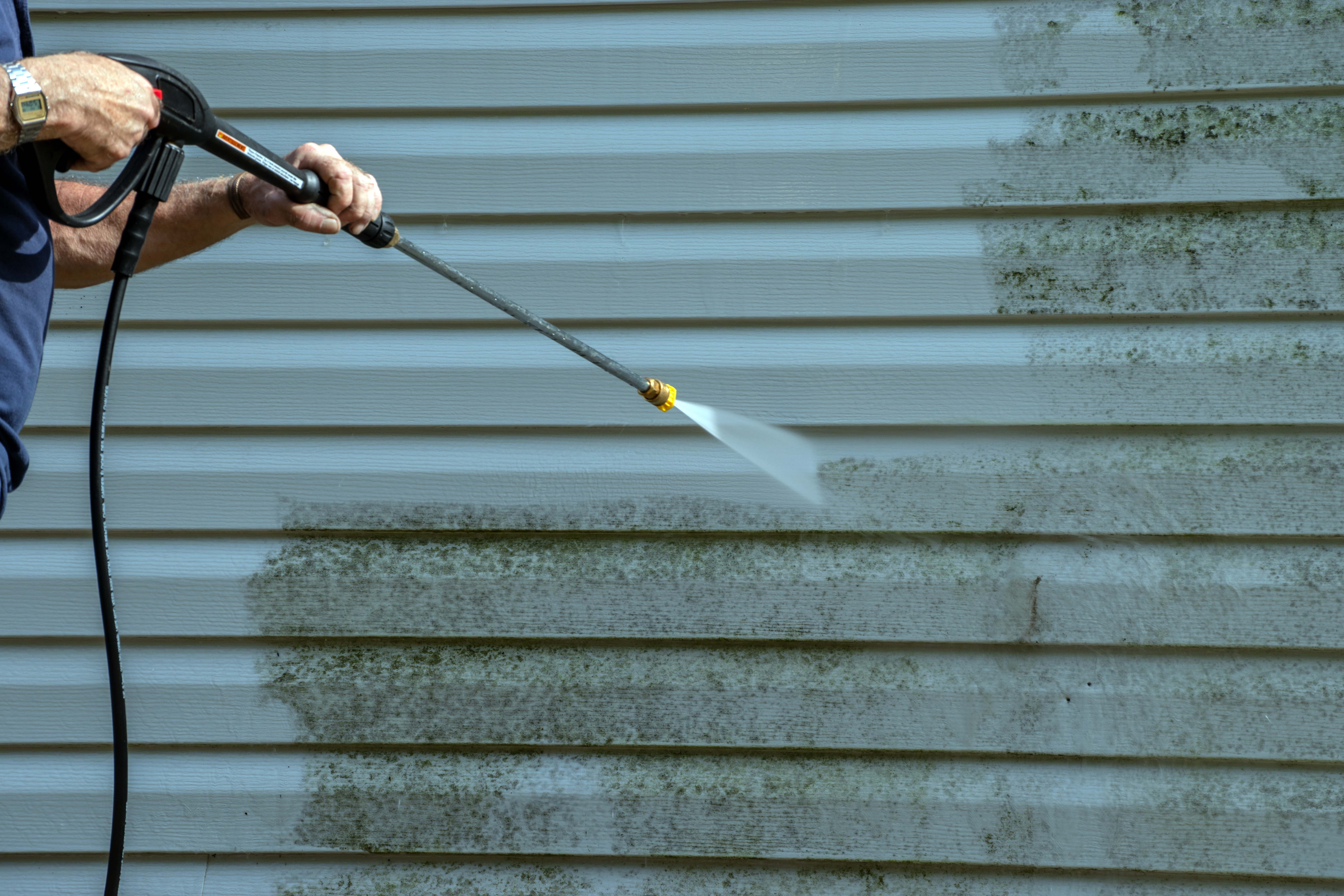
Yes, you can safely pressure wash vinyl siding. As a durable material, vinyl can typically withstand pressure up to 3,000 PSI, holding up better than other siding types like aluminum or stucco. However, it's crucial to operate the pressure washer correctly to avoid damage. Before you begin, repair any existing cracks or damage to the siding. For a safe setup, use a 15- or 25-degree nozzle and maintain a distance of at least three feet from the siding to prevent splashback and damage.

The Ware, MA homeowners’ guide to pressure washing services

From average costs to expert advice, get all the answers you need to get your job done.