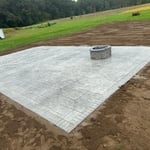
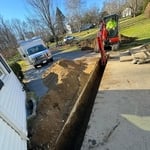
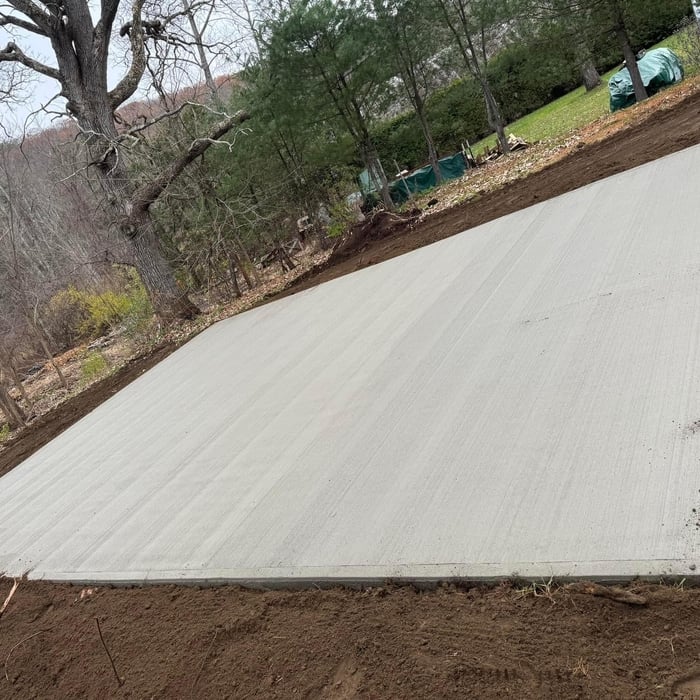
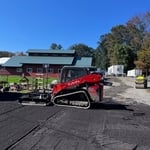
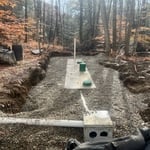
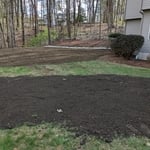
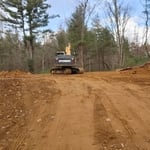
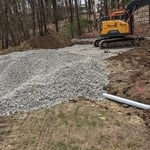
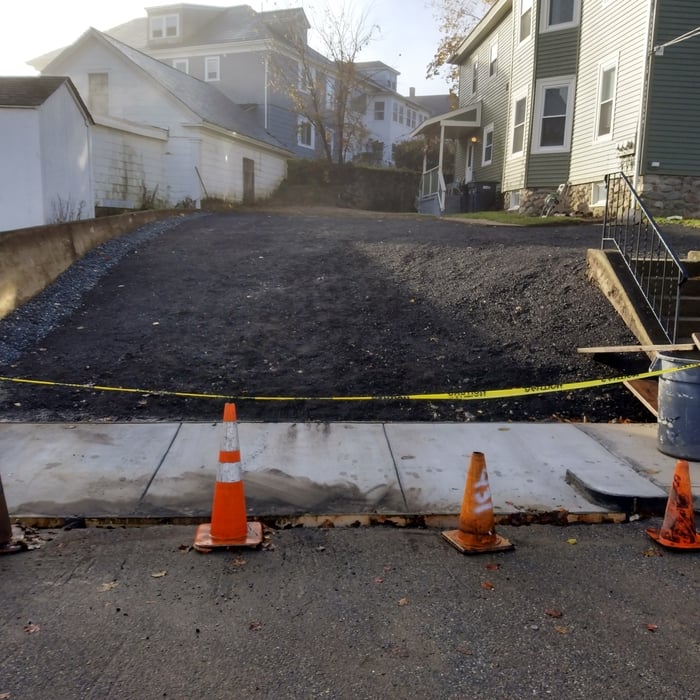
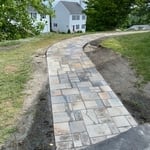
"I had hired Valley Excavating to remove all of the existing lawn on the back side of the house and replace it with newly graded topsoil and seed. David quickly responded to my call, he messaged when he couldn't make the appointment, showed up promptly when he said he would and completed the project in a timely fashion. I would highly recommend Valley Excavating for this type of project."
"Forever Excavating did not only meet my expectations, they exceeded them. The professionalism from the owner and the team was top notch and they were extremely timely and thorough. I would highly recommend them to anyone who needs excavation work done."
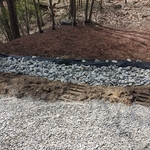
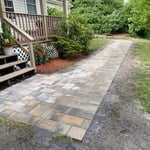
"Brian and Cory took up my old brick walkway, re-graded the area (we had a significant ‘ponding’ issue), relaid the brick in the original, beautiful pattern, filled in the spaces between the bricks. Brian is easy to communicate with, responds promptly, shows up when he says he will. We’ve now hired him to replace steps in our backyard. Thank you Brian!"
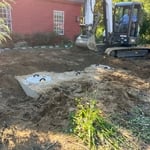
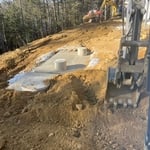
"From Perc Test to engineering and Installation of new septic system. The price was fair the installation went quickly. Ron even re seeded the area the new take was installed and the lawn grew in nicely! Very professional I would highly recommend this company to anyone in need of excavation or septic installation."
We take great pride in our experience, expertise, quality, and customer service that we provide to meet the consumer's needs.
\nIt is our mission to provide excellent workmanship and complete customer satisfaction, from the start to the completion of a project.
\nIn order to understand the needs and expectations of our customers, we take great care to work and communicate with every customer
\nin a professional manner. Our reputation is based on service, safety, and quality, regardless of how large or small the job.
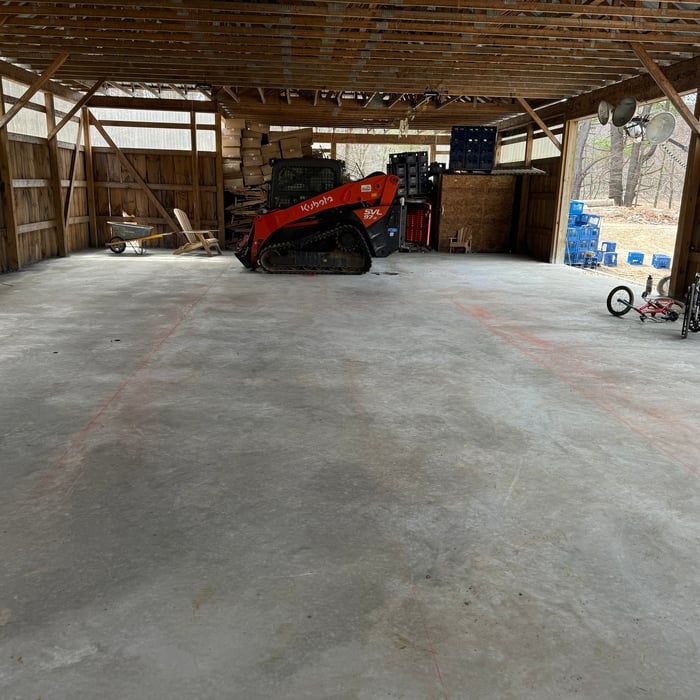
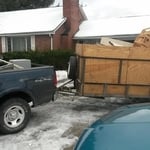
"Duke's did a great job! They arrived at the job early and were very efficient at cleaning out the storage unit. They were professional and friendly. I was very happy to be using a local company, also. I would definitely hire Duke's again, and would highly recommend them to anyone needing any of their services."
There are several methods to hollow out a tree stump, and the best one depends on your tools, experience, and priorities. Common methods include using a chisel and hammer, a chainsaw, or burning.
Chisel and Hammer: This is often considered the easiest approach for those with limited tools or experience, though it is the most time-consuming.
Chainsaw: Using a chainsaw is the fastest method, but it comes with significant safety risks, especially for inexperienced users.
Burning: This can be an effective method, but it is not recommended unless you can first drill holes into the stump. Without holes, the stump will be difficult to light and may not burn completely through.
A power drill with at least a ⅜-inch diameter bit can make the job quicker and easier, regardless of the primary method. While you can use a chisel or chainsaw without a drill, it will require more time and effort. Always wear protective goggles and thick gloves, as splinters are an inevitable risk.
It’s possible to transplant trees as tall as 50 feet when an experienced tree planting service uses the right equipment. However, a tree with a trunk larger than two or three inches in diameter needs to be handled by a professional in order to yield successful transplanting results. Consulting a tree planting professional is the best way to tell if your large tree can be safely transplanted.
A crawl space can be as little as 42 inches below the grade of your house, but this is not always recommended in flood-prone areas. At a minimum, there must be at least 16 inches of clearance between the ground and the floor joists to access the space in an emergency.
To locate an underground downspout, you should start by identifying where the above ground gutter drains. Look for an entry point, such as a pipe or elbow leading into the ground. Follow the surface path for signs like depressions, landscaping disruptions, or wet areas after rain. You can use a metal detector or plumber’s snake to trace the pipe underground. For deeper pipes, a professional locator tool or camera inspection may be necessary. Visual markers or utility maps can also guide the search.
Most residential basements are 8 to 10 feet deep. You can dig deeper depending on building codes, but it does become more difficult. You’ll likely need to install stronger foundation walls and additional supports to handle the increased load. Depending on the water table, you may also need a water management system. Clay soil can support a deeper foundation than sandy soil. A structural engineer will be able to tell you the maximum, feasible depth.
The Southampton, MA homeowners’ guide to excavation services
From average costs to expert advice, get all the answers you need to get your job done.
Excavation costs $1,500 to $6,300 for most residential projects—but it depends on factors like the size of the area. This guide will help you plan a budget.
You can't have an in-ground pool without digging into the ground. How much does pool excavation cost, and can you take it on yourself? Our guide explains.