

Top-rated excavation pros.

Get matched with top excavation pros in Simmesport, LA

Enter your zip and get matched with up to 5 pros

Need a pro for your excavation project in Simmesport, LA?

Select your specific project to find the pro for you.

Find Excavation pros in Simmesport

Avatar for J & S Dirt Works, LLC
J & S Dirt Works, LLC
New to Angi

Serving Simmesport, LA and surrounding areas

Approved

Free estimates

Emergency services offered

Warranties offered

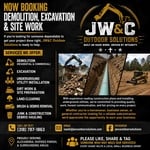
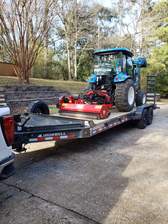
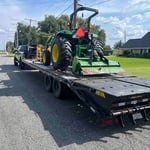
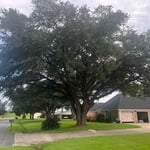
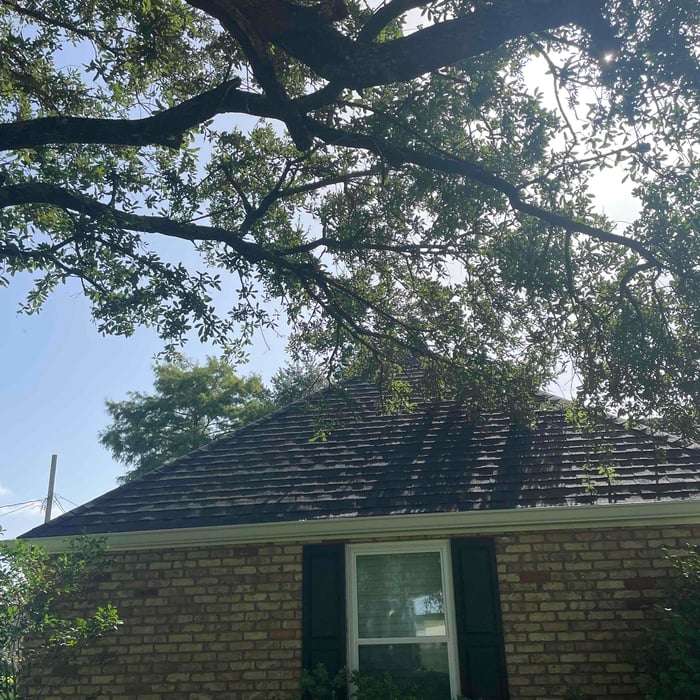
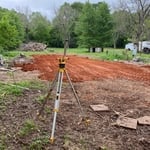
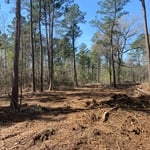
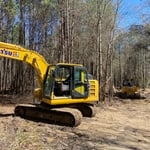
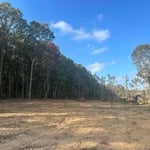
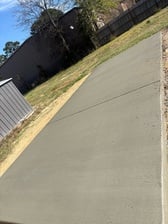
At J&S Dirtworks, you’re not just hiring a company- you’re hiring a father and son team that takes pride in honest work, fair pricing, and getting the job done right the first time. We believe in a strong work ethic, clear communication, and treating every property like it’s our own. Whether it’s a small job or large project, we show up ready to work and don’t leave until you’re satisfied. \n\nWhat we do: \nTree Removal & Cleanup- Safe, efficent removal with attention to your property. \n\nGrass Cutting & Maintenance- Reliable mowing to keep your property looking clean and cared for. \n\nDirtwork & Moving Dirt- Grading, leveling, and hauling to shape your space the way you need. \n\n\nWhy you should hire us? \n-Family-owned and operated \n-Dependable, hardworking, and honest\n-Fair pricing with no runaround\n-Local service you can trust \n\nWhen you hire J&S Dirtworks, you’re supporting a family business that values hard work, respect, and results.

Tree trimming
Tree trimming
Tree trimming
Tree trimming
Tree trimming

+1

...
Showing 1-10 of 55
Excavating questions, answered by experts

Slab foundations are more affordable than crawl spaces because they require minimal excavation, as the slab sits directly on the ground or on footers that only sink a few feet into the ground. Crawl spaces require excavation of the entire footprint of the home to several feet below the surface. Not only does that mean higher labor costs, but more materials are necessary for the concrete foundation walls.

Septic drain lines (or leach lines) are typically buried between 18 and 36 inches underground, and should be at least 6 inches below the surface. These pipes are perforated and surrounded by filtering materials like sand or gravel. Burying the lines at this depth helps minimize odors and allows bacteria and other biological processes in the soil to effectively treat the wastewater. Burying lines too close to the surface can cause issues unless the soil is very compact and stable.

A walk-behind trencher can cut through roots as long as they’re not too thick, making a project much easier than digging with a shovel and other hand tools. Assess your terrain and the number of trees in the surrounding area to determine if a walk-behind trencher will ease the job. Digging a trench by hand is much more time-consuming and labor-intensive. 

Call 811 to locate and mark the gas lines at least three days before digging. In many areas, you can dig within 18 inches of the lines, though in some locations, the distance may be further. Check local regulations, as you may need a utility company representative onsite when digging. Document your calls to 811 and precautions taken to avoid gas lines. A homeowner can be held liable for hitting a gas line in some cases, but contacting the proper authorities and following all guidelines can offer protection.

You can bury underground electrical wire six inches deep—but only if you use a rigid metal electrical conduit. For rigid, non-metallic conduits, bury the wire at least 12 inches deep. If using an underground feeder cable rated for direct burial, you'll need to place it at least 18 inches deep, as it has no conduit for extra protection.

The Simmesport, LA homeowners’ guide to excavation services

From average costs to expert advice, get all the answers you need to get your job done.