




Top-rated excavation pros.

Get matched with top excavation pros in Rayne, LA

Enter your zip and get matched with up to 5 pros

Need a pro for your excavation project in Rayne, LA?

Select your specific project to find the pro for you.

TRUSTED BY RAYNE, LA HOMEOWNERS

  • Average homeowner rating star icon4.9
    Average homeowner rating
  • Verified reviews icon18
    Verified excavation services reviews

Find Excavation pros in Rayne

Chiasson Land Services, LLC
5.0(
2
)
Building Site - Preparation and ClearingExcavation - Major Grading or Resloping

Serving Rayne, LA and surrounding areas

Approved

In business since 2017

Free estimates

Warranties offered

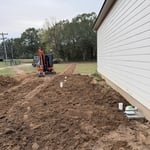
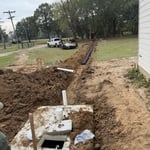
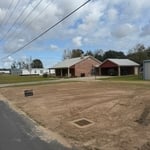
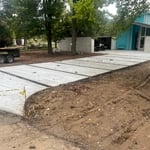
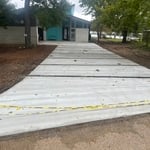
"Chiasson Land Service did a phenomenal job installing 40ft of concrete culverts, hauling in 420 yards of A3 dirt, and building a driveway, house pad, and shop pad. Great customer service with reasonable pricing."
Sewer tank install
Sewer tank install
Culverts install
Culverts install
Response time2 days
Response rate87%
4 neighbors recently requested a quote
Avatar for Cornerstone Excavation LLC
Cornerstone Excavation LLC
5.0(
2
)
Excavation - Major Grading or ReslopingBuilding Site - Preparation and ClearingBuilding Site - Preparation and Clearing - For Business+1 more

Serving Rayne, LA and surrounding areas

Approved

In business since 2025

Free estimates

Credit card accepted

"He was very adequate on getting me a fair price, very well mannered, and was on time or early for everything. He demolished 2 sheds for me and did a very good job. And the cleanup after the demolition was very professional it’s like the sheds were never there! Highly recommend to anybody!"
4617 Johnston St
4617 Johnston St
4617 Johnston St
4617 Johnston St
4617 Johnston St

+12

7 neighbors recently requested a quote

Avatar for VALLE TREE SERVICES LLC
VALLE TREE SERVICES LLC
5.0(
3
)
Landscape - Minor Grading or Resloping

Serving Rayne, LA and surrounding areas

Approved

Free estimates

Credit card accepted

Offers commercial services

We take great pride in our experience, expertise, quality, and customer service that we provide to meet the consumer's custom needs. It is our mission to provide excellent workmanship and complete customer satisfaction from start to completion of a project. In order to understand the needs and expectations of our customers, we take great care to work and communicate with every customer in a professional manner. Our reputation is based on service, safety, and quality, regardless of how large or small the job.

Business card
Before
Before
After
After

+1

3 neighbors recently requested a quote

...
Showing 1-10 of 108
Excavating questions, answered by experts

The rules and regulations regarding groundwater use vary between states. To find out if you can dig a well on your property, you’ll have to consult these regulations, address any compliance requirements, and get the appropriate permits. It’s also important to check that your intended location has the right geology and water table to support a well.

Trenching and boring are two distinct methods for installing underground utilities. Trenching involves digging a channel using equipment like an excavator, trencher, backhoe, or shovel. While it is a simpler process, it causes significant disruption to the surface, landscaping, and surrounding ecosystems.

Boring, also known as directional boring, is a less invasive alternative that uses a drill to create a tunnel for utility lines without disturbing the surface. This method is more precise and is ideal for installations that need to go underneath buildings, roads, or bodies of water. Although boring is less disruptive, it is generally more expensive than trenching.

Underground downspouts refer to the sections of downspout extensions that lead away from your home and gutter system. While they cost more than traditional extensions, they can provide several benefits, such as less frequent damage and no need to move them for lawn care tasks. Whether they're worth it or not depends on your budget at installation time and how much convenience they'll add to your situation.

How deep your septic system needs to be into the ground depends on several factors. In extremely cold environments, the tank needs to rest below the maximum frost line, which can be up to six or eight feet deep. The standard burying depth for most systems is between a few inches and four feet below ground level. Depth can also depend on the slope of the landscaping and other property variables. 

There are many ways to cut through roots when digging, especially if your trencher doesn’t seem to be removing the roots. First, use a shovel to expose the roots. Then, use gardening shears to clear out smaller roots or a reciprocating saw to remove larger plant roots. If you plan on keeping the plant, avoid cutting any roots over 2 inches thick.

The Rayne, LA homeowners’ guide to excavation services

From average costs to expert advice, get all the answers you need to get your job done.