
Top-rated masons.

Best masons near Pearl River, LA

Enter your zip and get matched with up to 5 pros

Need a pro for your masonry work project in Pearl River, LA?

Select your specific project to find the pro for you.

Top-Rated Masons in Pearl River - Updated Nov 2026

Avatar for Pops Handyman Service
Pops Handyman Service
New to Angi
Basement Drainage Channels - Repair

Serving Pearl River, LA and surrounding areas

Approved

Free estimates

Emergency services offered

Warranties offered

Hi im Jesse former Husband and Father for 30+years. I have seen and fixed just about everything that can possibly break or fail inside and outside a home. From installing Floors to making ceilings repairs. Framing and sheetrock installation, replacing doors external and internal. I can haul anything from Vehicles to trash and furniture. I'm a mobile Mechanic also from brake jobs to tune ups and other repairs. Cutting grass, weed eating, Thanks God Bess.

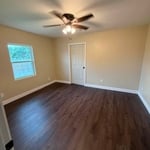
Finished master Bedroom
Master Bathroom
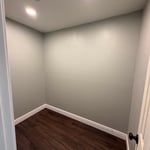
Master closet
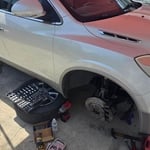
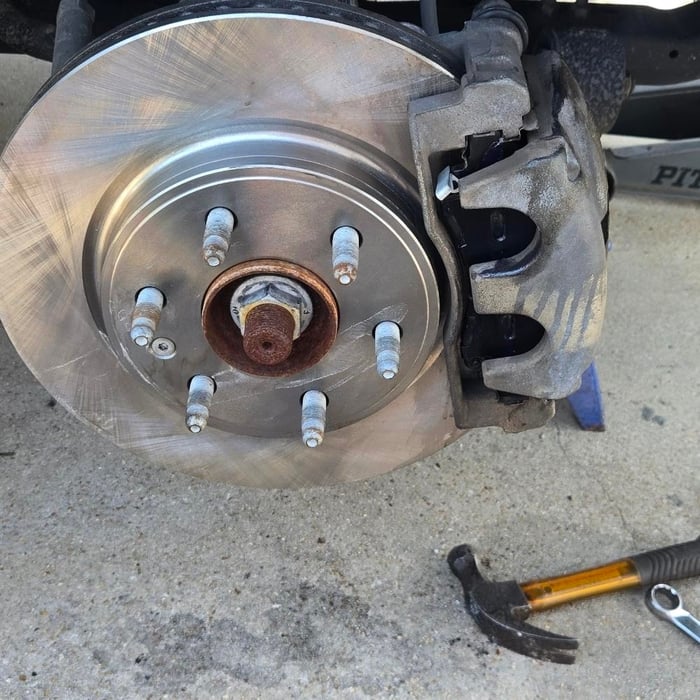
(Mechanic) Lori Brakes

+8

Avatar for Outdoor Home Store
Outdoor Home Store
4.6(
101
)
Basement Drainage Channels - InstallBrick and Stone Flatwork - RepairBrick and Stone Patios, Walks, and Steps - Install+3 more

Serving Pearl River, LA and surrounding areas

In business since 2006

Free estimates

Emergency services offered

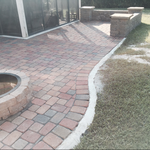
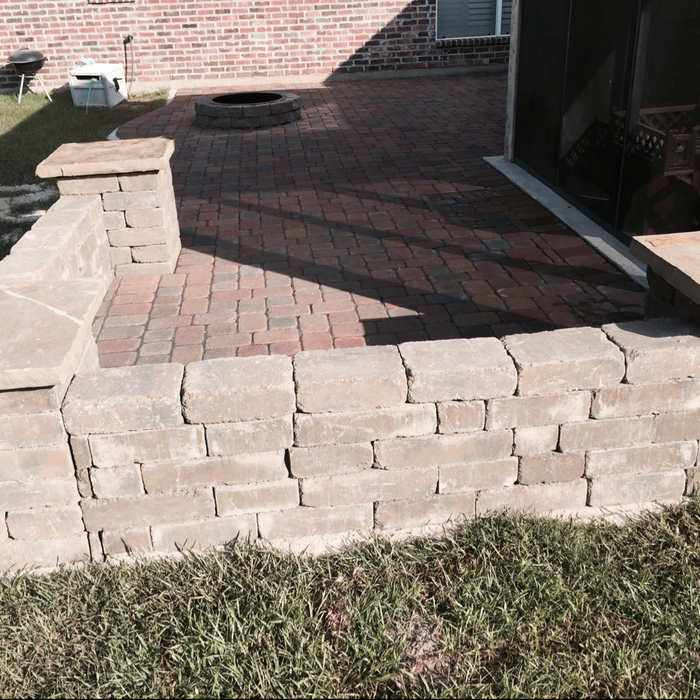
"The team was great after reviewing different ideas and choosing the right brick took about 4 days. The longest was the supplier where Cornerstone got their material that too the longest which stretched the project out longer. I was so impressed with the way Owner Eric worked with me I hired him for some additional landscaping work and it’s turning out GREAT!"
Additional Photos
Additional Photos
Additional Photos
Additional Photos
Additional Photos

+22

Recommended by89%of homeowners
...
Showing 1-10 of 196
Masonry FAQs, answered by experts

Yes, concrete is significantly stronger than masonry, especially if the concrete pour includes reinforcements, like steel rebar. Concrete is a uniform material that can withstand compression, sheer force, and tensile force as long as it’s reinforced. Masonry involves the use of mortar or grout to connect individual building materials, like brick, stone, or tile. Mortar and grout are also reasonably strong and resist compression well, but they don’t come close to the strength of poured concrete.

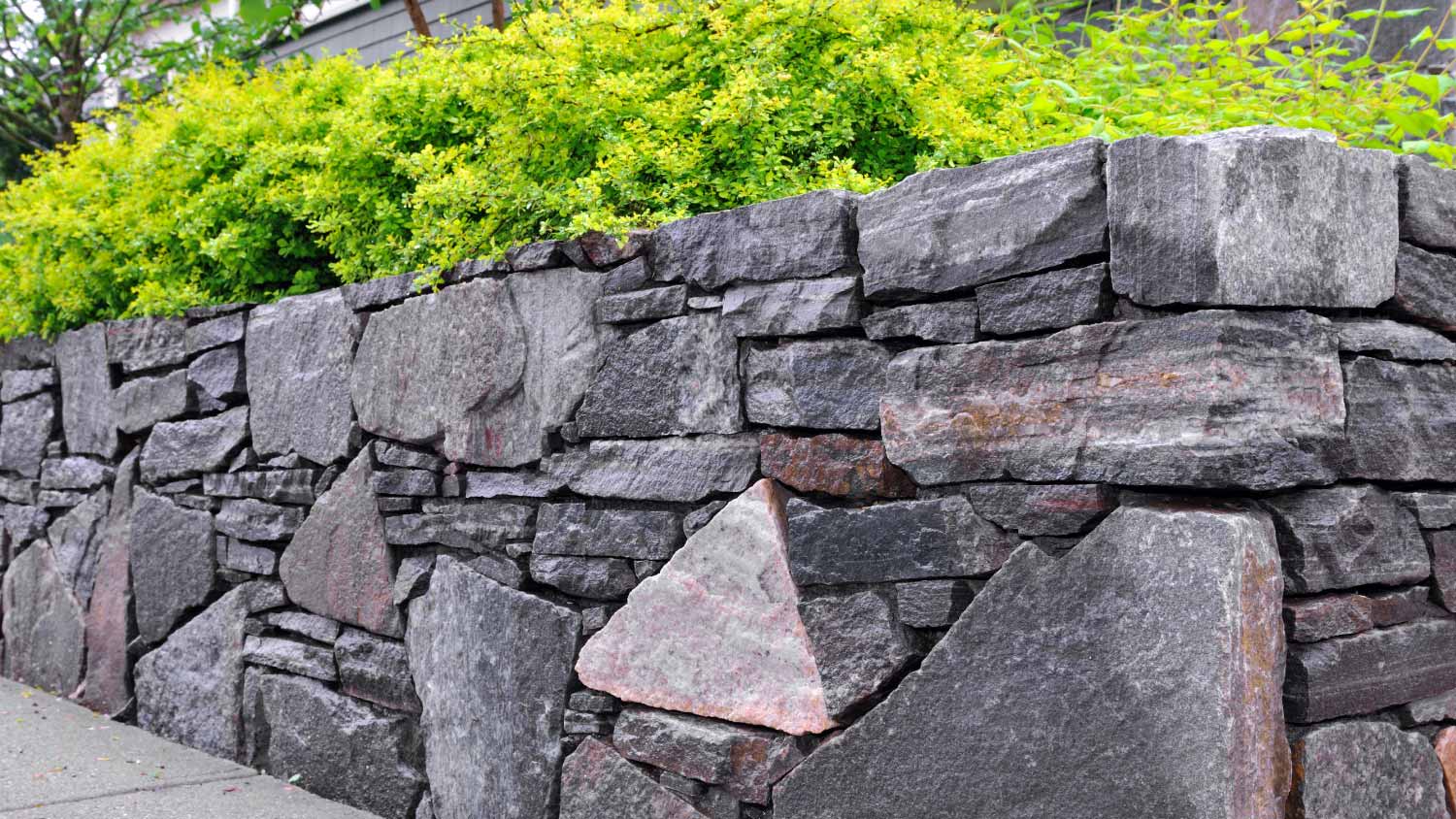
Yes, you can technically use a pressure washer to remove paint from brick, but it comes with a significant risk of damaging the brick surface. A high-power pressure washer can be fast but may leave the brick looking unsightly. The recommended method is to first apply a chemical paint stripper, following the product's instructions, and then use a stiff metal bristle brush or a pressure washer on a low-pressure setting to remove the loosened paint. Due to the risk of damage, it is often best to hire a professional who can use low-stress methods.

Solid brick structures can last a century or more, potentially 100 to 150 years with proper maintenance like tuckpointing. Without major repairs, classic red bricks may last 20 to 40 years. Brick veneer siding is also a long-lasting material, with a lifespan ranging from 50 to 100 years, provided it is properly installed and maintained. To maintain brick veneer, you should scrub it annually with a special detergent and a soft-bristled broom. It's also important to inspect the bricks and mortar regularly and hire a masonry contractor for any necessary repairs, such as fixing worn mortar or bowing bricks.

It’s called cobblestone because it’s made of stones that are “cobbed” together. A cob is a term that refers to rounded lumps. Originally, cobblestone streets were made from pebbles and stones gathered from riverbeds that had been rounded over time by the passage of water. The term has nothing to do with a cobbler, which is the term for someone who makes and fixes shoes.

On average, a quality exterior brick stain can last between 10 and 20 years, and sometimes even longer. While it will look its best for a minimum of three to five years, its total lifespan depends on several factors. These include the quality and type of stain used, the condition of the brick, and the thoroughness of the surface preparation, such as proper cleaning. Following the manufacturer's application instructions and applying a sealant as a final step is also crucial. The stain's longevity can be affected by your location, climate, and the brick's exposure to harsh weather, high traffic, and other elements. Over time, the stain may begin to fade or look dingy due to weathering, erosion, dirt, and debris. Compared to paint, brick stain generally has a longer lifespan.

The Pearl River, LA homeowners’ guide to masonry services

From average costs to expert advice, get all the answers you need to get your job done.