






Top-rated energy efficiency auditors.

Get matched with top energy efficiency auditors in Patterson, LA

Enter your zip and get matched with up to 5 pros

Need a pro for your energy efficiency auditing project in Patterson, LA?

Select your specific project to find the pro for you.

Find Energy efficiency auditors in Patterson

Avatar for ADT Solar
ADT Solar
4.4(
111
)
Energy Audit - For BusinessHome Energy Audit

Serving Patterson, LA and surrounding areas

In business since 2008

Free estimates

Warranties offered

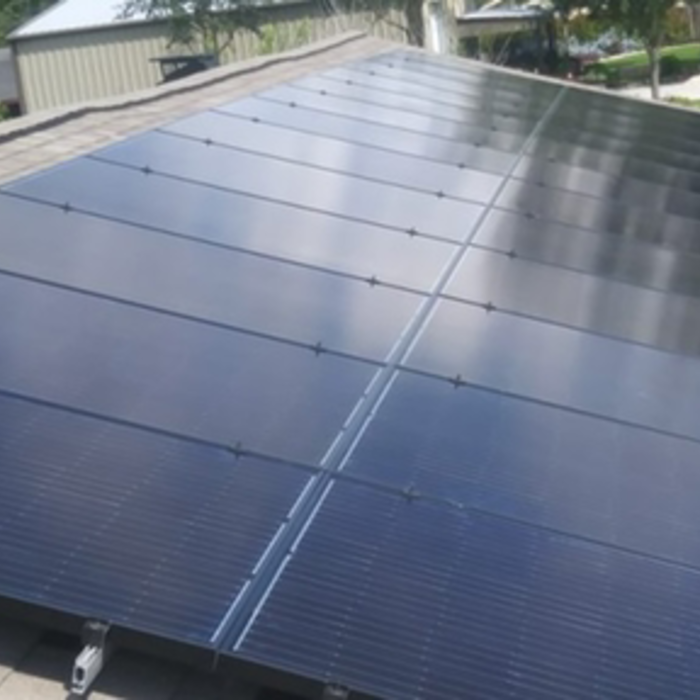
"Rep. checked entire system. He found several wires not connected properly and fixed this. He also made recommendations regarding the attachment of the panels to the rood that would provide more stability and leakproofing. The representative appeared to know what he was doing - much better than others, including the representative who was engaged by the roofer (who replaced our rood due to hail damage) to disconnect/connect the panels."
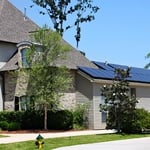
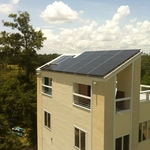
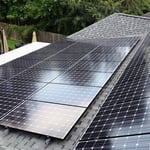
11 kW PV Installation
5 kW PV Installation
9.5 kW PV Installation
Recommended by89%of homeowners
Avatar for ENTERGIS TESTING AND SEALING, LLC
ENTERGIS TESTING AND SEALING, LLC
New to Angi
Home Energy Audit

Serving Patterson, LA and surrounding areas

In business since 2015

Free estimates

Credit card accepted

Spent 5 years learning the craft based on my own interests. Keeps customer completely satisfied. Spend all day thinking about air leakage and how to help those in the Louisiana climate zone. Someone can have the best built home, but if they do not have the correct air sealing, they will be uncomfortable and spend unnecessary money on their energy. My mission is to make my customers the most comfortable in their homes, and save them money.

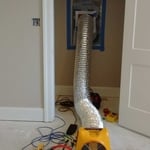
HVAC System Duct Leakage Test
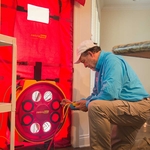
Door Fan Test
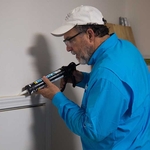
Air Sealing
Air Sealing
Response time1 day
Response rate88%
Avatar for Solarize America
Solarize America
New to Angi
Energy Audit - For BusinessHome Energy Audit

Serving Patterson, LA and surrounding areas

In business since 2015

Free estimates

Emergency services offered

As a leading national energy broker, Solarize America works to modernize every home through industry-leading solar, energy storage and smart home automation technology. \nPlease contact our team today to schedule your free in-home or remote quote! \n223-330-1212\n\n

Additional Photos
Additional Photos
Additional Photos
Additional Photos
Additional Photos

+1

Energy Efficiency Auditing questions, answered by experts

A small sump pump running infrequently uses an average of 10 kilowatt-hours (kWh) of electricity per month. The average cost for electricity is $0.171 per kWh. The size and use frequency affect how much electricity it uses. Sump pumps average one-third to one horsepower (hp) motors. One hp is equal to 745.7 watts. Watts multiplied by the time your pump is running divided by 1,000 equals your average kWh. Multiply kWh by your average cost of electricity. In areas with high rain or a marsh basin, the average cost can be as high as $15-$25 a month.

Homeowners can often access federal tax credits, such as the Investment Tax Credit (ITC), which covers a percentage of installation costs. Many states and utilities offer additional rebates, grants, or performance-based incentives. These programs can significantly lower your upfront investment. Check the Database of State Incentives for Renewables and Efficiency (DSIRE) or contact your local energy office for current offers.

R-value is calculated by dividing the thickness of an insulation material by its thermal conductivity. The material's composition and density influence thermal conductivity. Materials with lower conductivity values provide better insulation. The higher the R-value, the better the material is at insulating, helping homeowners select insulation that meets the energy needs of their climate and home layout.

Dehumidifiers typically use 300 to 700 watts of electricity per hour, whereas portable dehumidifiers use about 40 watts per hour. The exact amount of electricity your dehumidifier will generate depends on its capacity and energy efficiency. Generally, higher-capacity dehumidifiers generate more electricity than lower-capacity units, but they also usually have better energy efficiency over the long run.

A good SEER rating for an HVAC system is typically between 15 and 20. However, minimum requirements vary by location; HVAC systems in northern states must have at least a 14 SEER rating, while those in southern states need a minimum of 15. For the highest possible efficiency, look for units with a SEER rating of 21 or higher. It's important to remember that a SEER rating represents the maximum efficiency a unit can achieve, not the level at which it will operate at all times.

The Patterson, LA homeowners’ guide to energy efficiency auditing services

From average costs to expert advice, get all the answers you need to get your job done.