






Top-rated water softener pros.

Get matched with top water softener pros in Minorca, LA

Enter your zip and get matched with up to 5 pros

Need a pro for your water softener service project in Minorca, LA?

Select your specific project to find the pro for you.

Find Water softener pros in Minorca

Avatar for American Home Shield – Home Warranty
American Home Shield – Home Warranty
3.5(
5,688
)
Well Pump - Repair or Service

Serving Minorca, LA and surrounding areas

In business since 1971

Credit card accepted

"The yearly service works out to be $50 a month. We've had two water heaters replaced through them because of a fault in them. They're usually very responsive. I like that I can request the service online. The only thing is, I wish that there was a better avenue for emergency services. If something doesn't work right away usually it takes a couple of days to get someone out and sometimes you can't wait two days without water."
Additional Photos
Additional Photos
Additional Photos
Additional Photos
Additional Photos

+2

Recommended by65%of homeowners
Shane Wright Plumbing, LLC
4.1(
5
)
Water Treatment & Purification System - Install or ReplaceWater Treatment & Purification System - Repair or ServiceWell Pump - Repair or Service

Serving Minorca, LA and surrounding areas

In business since 1956

Free estimates

With many years of experience Shane Wright Plumbing, works hard to bring each customer the best possible service available. We look forward to working with you on your next project. We welcome your questions and thanks you for you for your interest.

Response time2 days
Recommended by100%of homeowners
Water Softeners questions, answered by experts

No. You should never directly drain a water softener into a sewer cleanout. This practice is illegal in many areas because it could allow raw sewage to get into your drinking water and make you seriously ill. Many places have codes requiring a specific seal, pipe, and a large air gap between a water softener and a sewage cleanout. Check out Florida's Plumbing Building Code as an example of what these restrictions might look like.

A water softener is a worthwhile investment if you live in an area with hard water. While hard water is safe to drink, it contains minerals like calcium and magnesium that can cause significant problems over time. These minerals build up inside pipes, reducing water flow and eventually corroding the plumbing system, which can lead to leaks and a shortened lifespan. Hard water also damages fixtures and appliances, potentially resulting in costly repairs. Additionally, it makes soaps and detergents less effective, meaning you'll use more product to get things clean. By installing a water softener, you can prevent these issues. The initial investment is often recouped through long-term savings, including lower energy bills, reduced appliance and plumbing maintenance, and spending less on soap and cleaning supplies. Other benefits include cleaner linens, dishes, and clothing, as well as softer water that is gentler on your skin and hair. In some areas, a water softener can also increase your home's value, making it a valuable long-term investment.

A lower-end water softener would cost around $900, not including installation. Each home has different requirements, water hardness, and number of inhabitants, so there’s a huge range in pricing—$600 to over $6,000. The average water softener repair bill is around $500, meaning it’s a much better option to repair any issues and only replace your softener if absolutely necessary. 

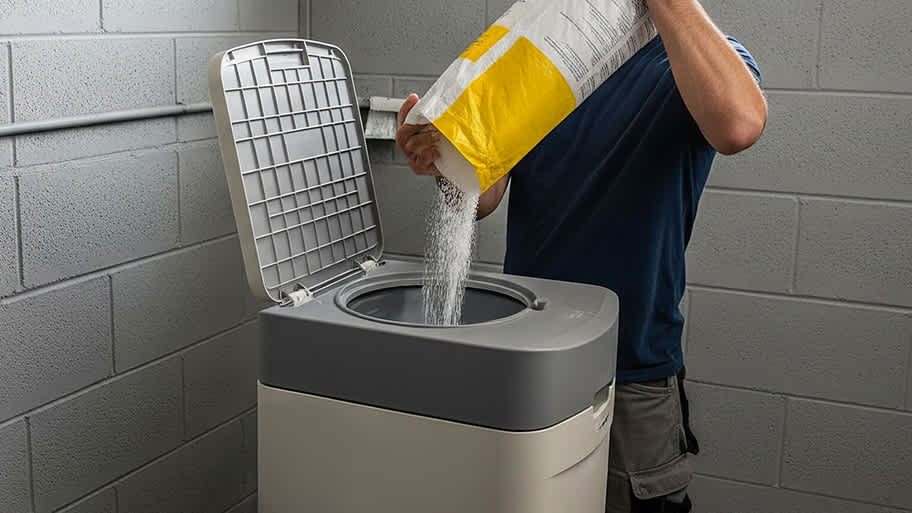
You can install a water softener system by turning off the water supply, draining the water, and then connecting your device to the waterline. Next, you’ll fill your tank with the recommended amount of salt or brine (whichever your unit calls for; be sure to read the instructions). Turn the water supply on and check for leaks. You can opt to let your water run for a few minutes, then test it using strips. 

The process of inspecting your water softener system is similar.

The primary difference between a water softener and a water filter lies in what they remove from the water. A water softener is designed to remove hard minerals like calcium and magnesium. In contrast, a water filter has a broader effect, removing various contaminants above a certain size, which can include bacteria and other impurities.

To decide which you need, consider your goal. If you want to eliminate hard minerals, choose a softener. If you want to remove a wide range of contaminants, a filter is the better option. Filters are also generally less expensive to install. Depending on your water supply, you may need to install both for comprehensive treatment.

The Minorca, LA homeowners’ guide to water softener services

From average costs to expert advice, get all the answers you need to get your job done.