





Top-rated deck staining pros.

Get matched with top deck staining pros in Lakeshore, LA

Enter your zip and get matched with up to 5 pros

Need a pro for your deck staining project in Lakeshore, LA?

Select your specific project to find the pro for you.

TRUSTED BY LAKESHORE, LA HOMEOWNERS

  • Average homeowner rating star icon4.7
    Average homeowner rating
  • Verified reviews icon13
    Verified deck staining services reviews

Find Deck staining pros in Lakeshore

Avatar for Chad Spillers Construction LLC
Chad Spillers Construction LLC
5.0(
14
)

Serving Lakeshore, LA and surrounding areas

In business since 2022

Emergency services offered

Small jobs welcome

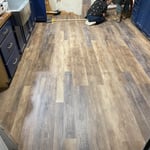
"Chad did an amazing job on my cabinets refacing he also added a backsplash that really topped the project off. He has a good eye. He also paints and stains, I have flipped seven homes in my lifetime and Chad was amazing. He is a good carpenter finisher and also shows up on time and that is a big plus."
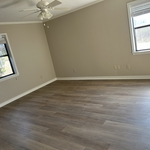
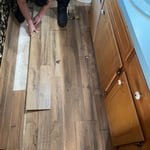
Master bath
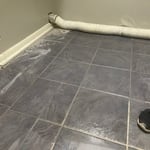
Master bath entryway
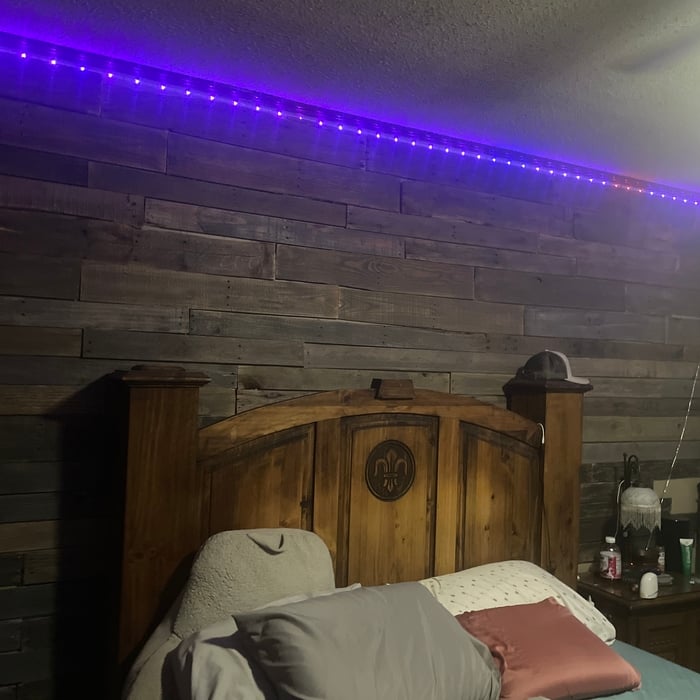
Master bed
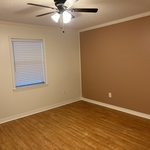
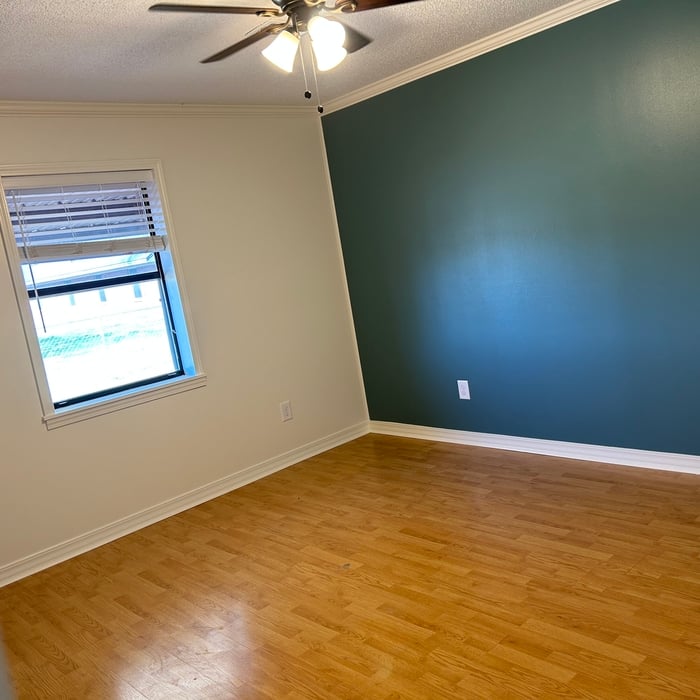
Guest/kids (girl) room #1
Guest/kids (boy) room #2

+24

Response time10 mins
Recommended by100%of homeowners
Avatar for Bahena Painting
Bahena Painting
5.0(
7
)

Serving Lakeshore, LA and surrounding areas

In business since 2019

Free estimates

Small jobs welcome

"Hired him to paint every square inch of a 3000 foot house. Including the cabinets in the kitchen. He did a superb job. If I could give him six stars I would. I love his work. Wish I could include pictures."
Response time6 hrs
Recommended by85%of homeowners

...
Showing 1-10 of 113
Deck Staining questions, answered by experts

A properly applied coat of stain will last between 3 and 8 years, depending on your climate. If you live in a place where your fence experiences a lot of moisture or high heat, your stain will last for a shorter period than in more temperate conditions. We recommend reapplying stain every 3 to 5 years to keep your wood in good condition.

Limewash and whitewash are two techniques used to give brick a light, matte finish, but they differ in composition, application, and permanence. The best choice depends on your aesthetic goals and the specific surface.

Composition

  • Limewash: A natural and environmentally friendly option made from limestone, water, and sometimes pigments. It is breathable and soaks into porous surfaces like brick.

  • Whitewash: Traditionally made from lime, water, chalk, and binders, but a similar look can be achieved with watered-down white paint. It is paint-based and sits on top of the surface.

Appearance and Finish

  • Limewash: Provides a natural, textured appearance that allows the brick's character to show through. It offers a more traditional finish.

  • Whitewash: Creates a softer, more opaque finish, often used for a rustic or shabby-chic style.

Application and Permanence

  • Limewash: Is semi-permanent and can be removed, making it a good choice if you might want to change the look in the future. It requires more skill to apply and cannot be used on previously painted brick.

  • Whitewash: Is a more permanent solution. It is more forgiving to apply and can be used on painted brick. However, because it sits on the surface, it can trap moisture.

Ultimately, if you want a breathable, natural, and reversible finish for unpainted brick, limewash is a great option. If you need a more permanent, opaque coating that can be applied over painted surfaces, whitewash is the better choice. Whitewashing may also be more economical, costing approximately $1.40 to $4.20 per square foot.

Yes, staining or sealing a cedar deck or fence is highly recommended to extend its lifespan, typically by five to 10 years. While cedar is naturally resistant to mold and mildew, it can still fall victim to moisture, sun exposure, and rot over time. Applying a treatment creates a protective shield that helps prevent splintering, fading, and decay, preserving the wood's strength and appearance. A combination stain and sealer often provides the best protection, as it soaks into the wood grain rather than just sitting on top. This offers superior defense against UV damage and rot and lasts longer than a sealer alone. To maintain the wood's natural look, consider using a near-translucent stain. You should plan to reapply the stain or sealer every two to three years.

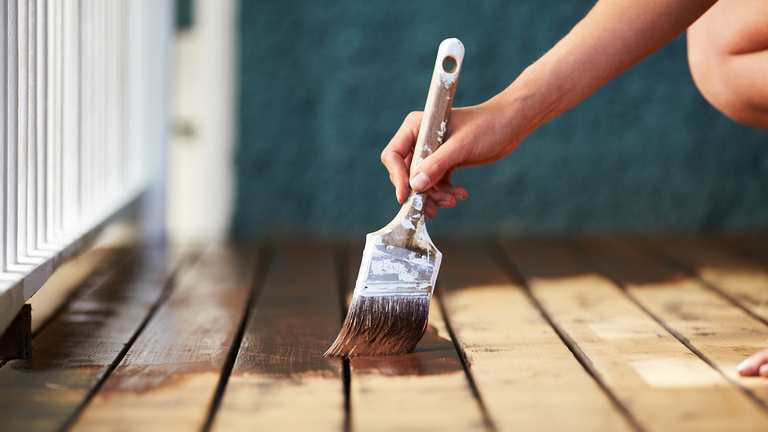
Staining a deck with a rag is typically a better option than using a brush, as it helps the stain penetrate deeper into the wood. However, both brushes and rags are best reserved for detailed work because using these tools on an entire deck can require tediously crawling around on your hands and knees. A pad applicator, sprayer, or roller are preferred alternatives to applying stain over the majority of a deck. Use a rag for railings and other detailed work, and let the wood soak up as much of the stain as possible before wiping away drips or pools.

You can apply stain over peeling stain, but it’s not a good idea. Your old stain will get in the way of your new stain bonding to the wood, so you’re likely going to see the same issue again shortly after application. Your best option is to sand off the old stain and clean the surface thoroughly before applying new stain.

The Lakeshore, LA homeowners’ guide to deck staining services

From average costs to expert advice, get all the answers you need to get your job done.

What do you need done? We’ll find top pros.
  • 🌱 "Mow a small front yard"
  • 🛠 "Fix a leaking pipe under the sink"
  • 🏠 "Repair shingles on an asphalt roof"