
Top-rated leaf removal pros.

Get matched with top leaf removal pros in Jennings, LA

Enter your zip and get matched with up to 5 pros

Need a pro for your leaf removal project in Jennings, LA?

Select your specific project to find the pro for you.

Find Leaf removal pros in Jennings

Avatar for Gator Js LLC
Gator Js LLC
5.0(
3
)
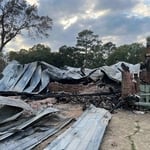
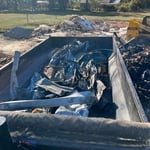
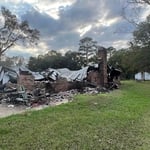
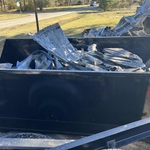
Waste, Junk, Building Materials and Debris - Remove and Haul

Serving Jennings, LA and surrounding areas

Approved

Free estimates

Emergency services offered

Small jobs welcome

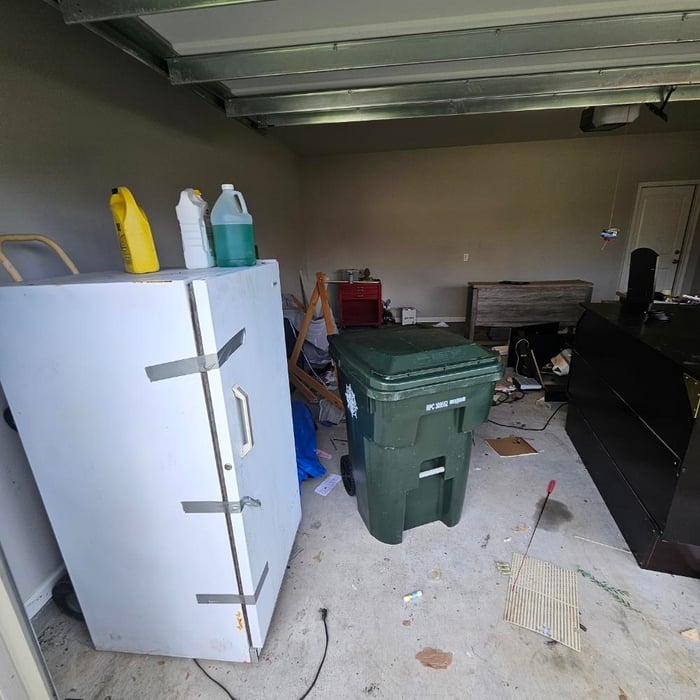
"Jaffen was quick to respond, quick to quote and quick to do the job! I hired for junk removal and he was the best priced and he went the extra mile and made sure all the small pieces were taken too! I’ll add them pictures soon!"
11 neighbors recently requested a quote
Avatar for TDR
TDR
5.0(
1
)
Lawn & Yard Waste Clean UpLawn Care - Maintain and Mow a Lawn

Serving Jennings, LA and surrounding areas

Approved

Free estimates

Emergency services offered

Small jobs welcome

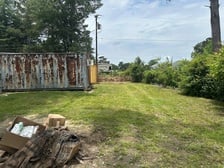
"TDR did a wonderful job cleaning up and mowing my neglected yard in a very timely manner as well as giving me a quote before doing the work. I'm very happy I found & hired TDR, spoke with Stephen many times over the course of the job as well as receiving pictures of work and video when completed since I wasn't able to be there at my place. Highly recommend & hired Stephen to come back to keep yard under control in the future."
...
Showing 1-10 of 180
Leaf Removal questions, answered by experts

It is safe to remove old linoleum, but it may require the help of a specialist due to the risk of asbestos in the material. Before you cut into linoleum or try to peel it up, have it tested for asbestos. If it tests positive, professionals will need to remove it to prevent the risk of health issues from airborne toxic particles. If it’s asbestos-free, DIY removal is possible and safe.

Government regulations such as the EPA and OSHA govern lead removal procedures to ensure health and environmental safety during and after abatement.

According to the Environmental Protection Agency (EPA), hazardous waste is generally classified into four main categories:

1. Characteristic Wastes: These exhibit at least one of four hazardous traits: ignitability (flammable, like gasoline), corrosivity (can rust or decompose materials, like car batteries), reactivity (unstable and can explode, like aerosol cans), or toxicity (harmful when ingested, like lead-based paint).

2. Listed Wastes: These are specific wastes from manufacturing and industrial processes that the EPA has officially designated as hazardous. They include byproducts from processes that use solvents, pesticides, and other chemicals.

3. Universal Wastes: These are commonly generated hazardous items that are subject to streamlined regulations. Examples include batteries, pesticides, mercury-containing equipment (e.g., bulbs), and some lamps.

4. Mixed Wastes: This category includes waste that contains both hazardous and radioactive components, making it subject to regulation by both the EPA and the Nuclear Regulatory Commission.

The best way to remove lead paint is by wet hand sanding and removing all dust and residue with a HEPA vacuum. Professionals may also strip and scrape lead-based paint with a paint scraper. In some cases, you may choose to have a pro encapsulate or enclose your lead-based paint surface by covering it with a sealant or a new material. You may also choose to replace the material altogether.

Unfortunately, lead dust does not look different from any other type of dust. You cannot detect it with the naked eye. To determine if you have lead dust in your home, you will need to hire a local company to take a sample from the paint and test it for you in a lab.

The Jennings, LA homeowners’ guide to leaf removal services

From average costs to expert advice, get all the answers you need to get your job done.