Top-rated electricians.

Get matched with top electricians in Jeanerette, LA

Enter your zip and get matched with up to 5 pros

Need a pro for your electrical service project in Jeanerette, LA?

Select your specific project to find the pro for you.

TRUSTED BY JEANERETTE, LA HOMEOWNERS

  • Average homeowner rating star icon4.4
    Average homeowner rating
  • Verified reviews icon94
    Verified electrical services reviews

Find Electricians in Jeanerette

Laviolette Electric
5.0(
4
)

Serving Jeanerette, LA and surrounding areas

Approved

In business since 2014

Free estimates

Credit card accepted

"Would definitely recommend to anyone looking for electrical work, this company was very professional . We moved a panel from one room, added a few receptacles, and added a fan to the new room. Him and the other guys he came with were very respectful and efficient. We couldnâ t be more satisfied with the work that was done."
Response time1 day
Response rate88%
Recommended by75%of homeowners
...
Showing 1-10 of 161
Electrical questions, answered by experts

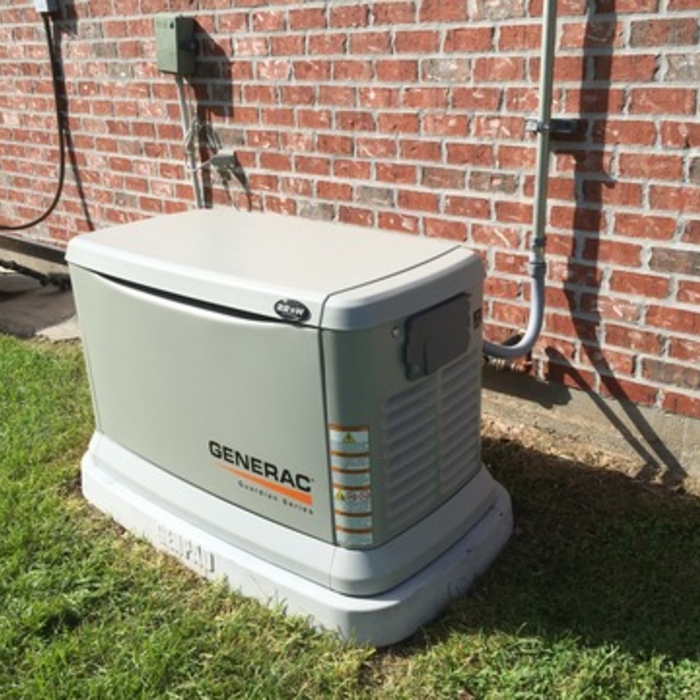
It is safe to run a generator continuously, but you must follow safety protocols to ensure personal and home safety. Read the manufacturer’s instructions for specific recommendations, but the general recommendation is to turn generators off overnight or when you’re away from the house. Overworked generators can pose a fire hazard and if your generator is not in a well-ventilated area, running it continuously could lead to carbon monoxide poisoning.

Yes, a water leak poses a major fire risk at your home because water is a conductor of electricity. Water that comes into contact with sparks or electrical wires can instantly ignite flammable materials. Additionally, any type of exposure to water can cause wires and other electrical components within your home to corrode. When assessing categories of water damage, it's important to know that even a small amount of moisture near wiring could cause sparks that lead to a fire.

A GFCI outlet can be 15A or 20A. The average American home power outlet is 15A.

The size of your home will help determine the size of your electrical panel. Usually, the decision comes down to a 100-amp electrical panel versus a 200-amp panel. Smaller homes, especially those without an HVAC system, may be able to get by with a 100-amp panel. 

If you have a larger home or need to power AC, a 200-amp panel should be the best fit. It’s unlikely that you’ll need a larger panel than that unless you have a larger home or unique electrical needs, but an electrician can help you make the final call.

Home power is measured in kilowatt-hours, commonly expressed as kWh. The average home uses between 800 and 1,000 kWh per month. Peak usage (and highest bills) occurs in the middle of summer and the depths of winter. Keeping on top of your usage during these crucial months will lower your annual average usage considerably. 

The Jeanerette, LA homeowners’ guide to electrical services

From average costs to expert advice, get all the answers you need to get your job done.