Top-rated asbestos removal specialists.

Best asbestos removal specialists near Gilbert, LA

Enter your zip and get matched with up to 5 pros

Need a pro for your asbestos abatement project in Gilbert, LA?

Select your specific project to find the pro for you.

Top-Rated Asbestos removal specialists in Gilbert - Updated Nov 2026

Avatar for Priority Pressure Washing
Priority Pressure Washing
New to Angi
Asbestos Siding - Repair

Serving Gilbert, LA and surrounding areas

In business since 2018

Free estimates

Offers commercial services

We have the experience and we are committed to providing quality workmanship and superior customer service on all our applications. We at Priority Pressure washing strive to maintain our reputation as a high quality, very service oriented company with our main focus being customer satisfaction. \n \n \n \n

Response time1 hour
Response rate100%
Asbestos Removal FAQs, answered by experts

If you think you’ve touched asbestos, do not put on a mask. This is important because you may take the asbestos fibers on your hands on trap them in the mask. Make your way to a sink and wash your hands thoroughly. Remove any clothes and seal them in a bag, then take a shower. Call your doctor and let them know you’ve been exposed to asbestos, and make sure you see them as soon as possible. The reason you keep the clothes is in case anyone wants to confirm the presence of asbestos.

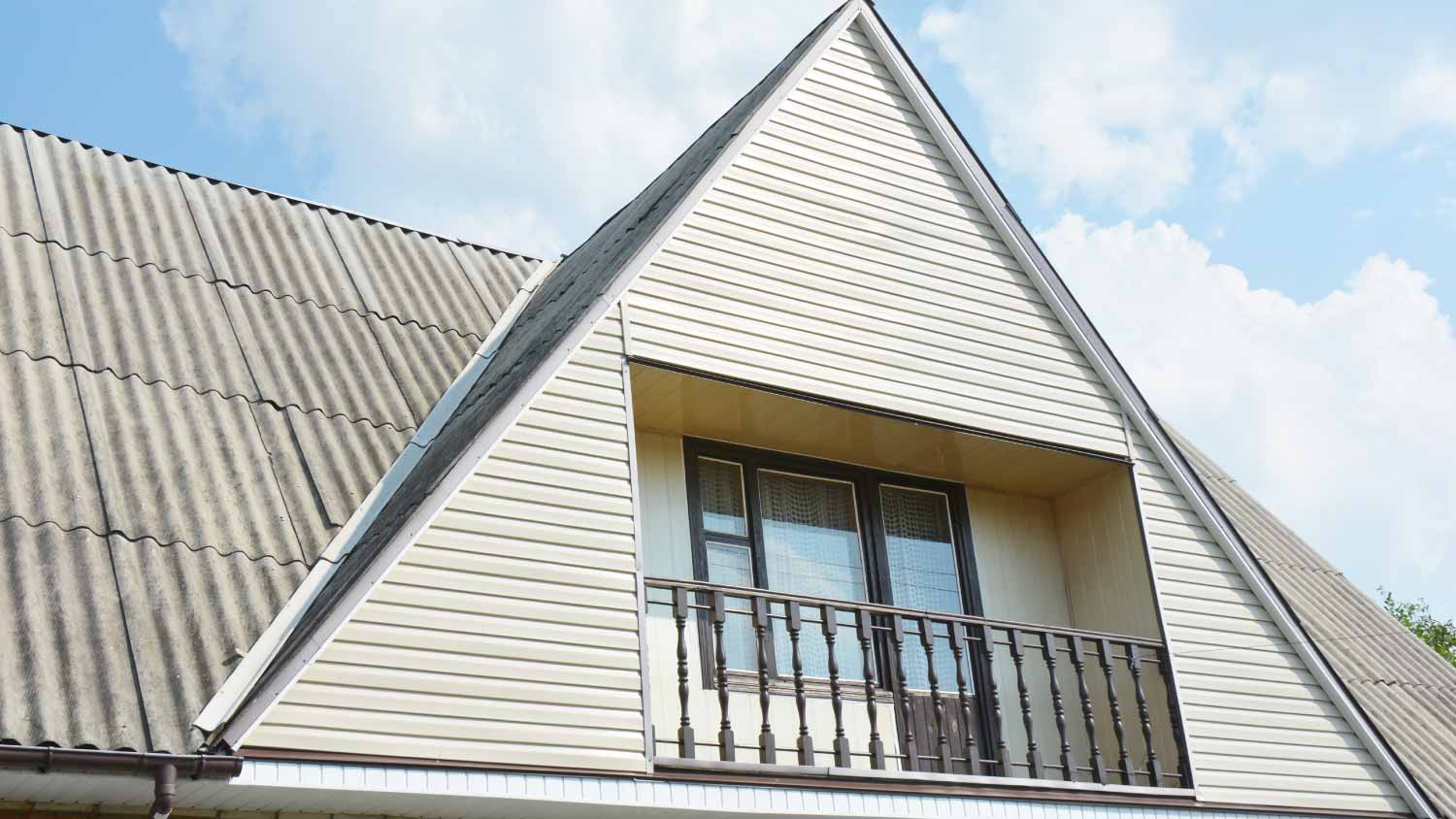
Homeowners’ insurance doesn’t often cover the cost to remove asbestos siding, which averages about $2,900. Insurance policies treat the removal of asbestos siding as regular home maintenance, which insurance doesn’t cover. If your siding suffers damage in a storm, though, it’s possible the insurer may cover the replacement cost, even if the damaged siding contains asbestos.

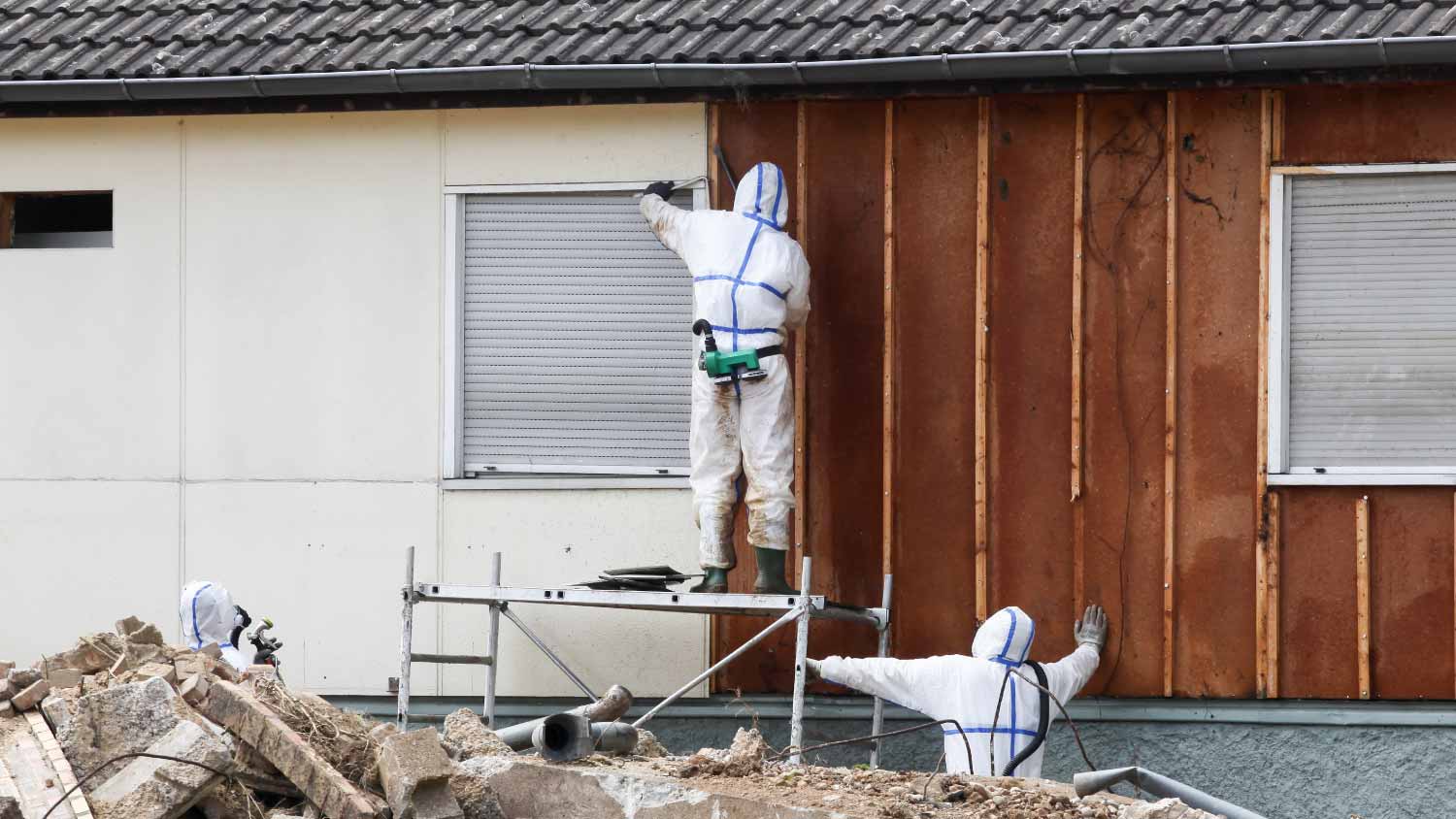
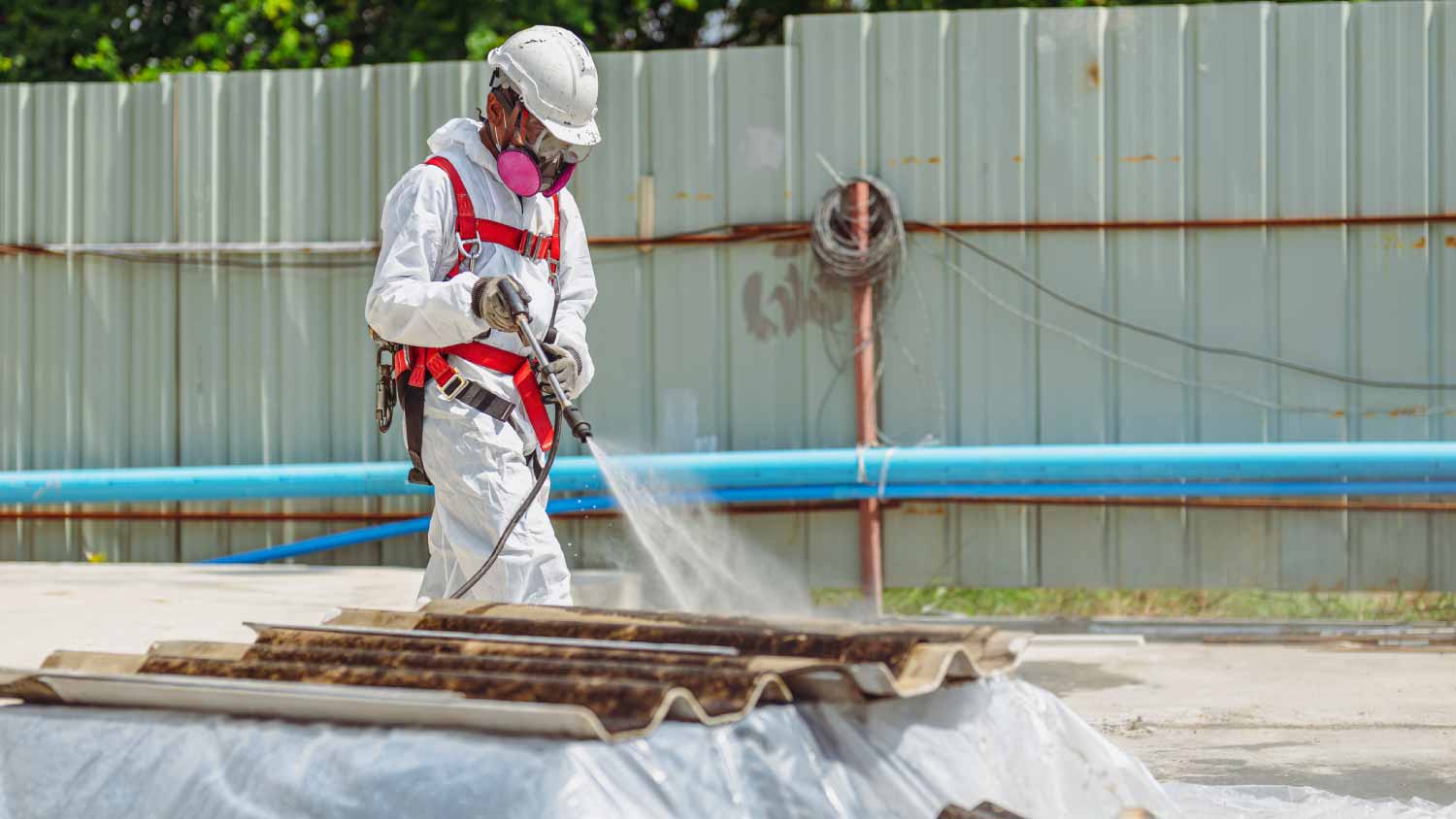
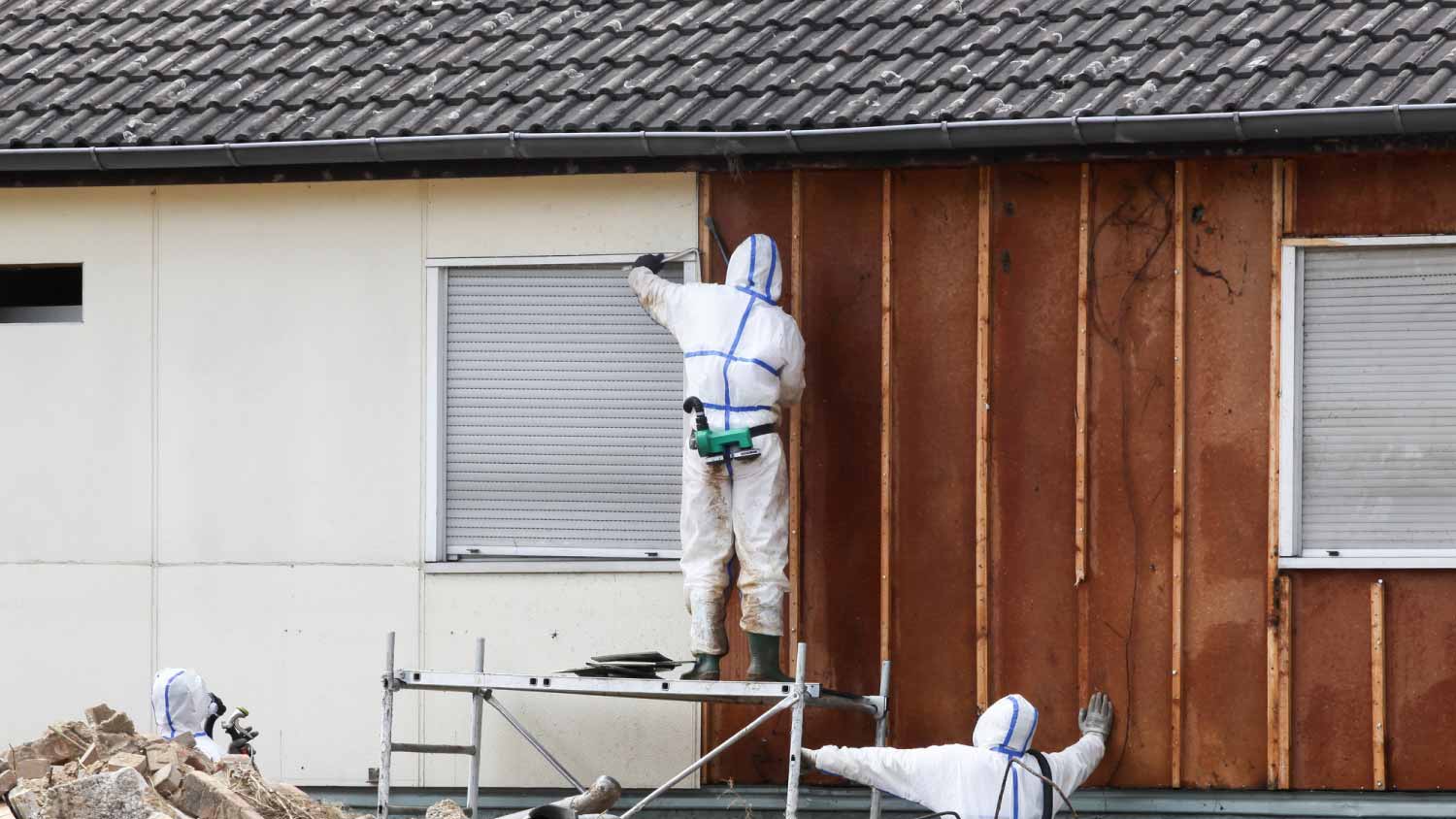
Scraping off asbestos siding is extremely dangerous. When asbestos is inert, it does not pose a risk, but once disturbed, the fibers enter the air that you breathe and can cause irreparable damage. Professionals may scrape it off, but they will have more protective equipment and specialized tools that most homeowners do not have on hand.

According to the Environmental Protection Agency (EPA), hazardous waste is generally classified into four main categories:

1. Characteristic Wastes: These exhibit at least one of four hazardous traits: ignitability (flammable, like gasoline), corrosivity (can rust or decompose materials, like car batteries), reactivity (unstable and can explode, like aerosol cans), or toxicity (harmful when ingested, like lead-based paint).

2. Listed Wastes: These are specific wastes from manufacturing and industrial processes that the EPA has officially designated as hazardous. They include byproducts from processes that use solvents, pesticides, and other chemicals.

3. Universal Wastes: These are commonly generated hazardous items that are subject to streamlined regulations. Examples include batteries, pesticides, mercury-containing equipment (e.g., bulbs), and some lamps.

4. Mixed Wastes: This category includes waste that contains both hazardous and radioactive components, making it subject to regulation by both the EPA and the Nuclear Regulatory Commission.

Abatement focuses on immediate hazard control while remediation encompasses a comprehensive cleanup and long-term safety strategy. Abatement refers specifically to reducing or eliminating the immediate hazard by removing or encapsulating it. It’s a targeted approach aimed solely at controlling asbestos risks. Remediation is a broader term that involves the entire process of addressing contamination to restore a safe environment. Remediation can include abatement, decontamination, air quality testing, and post-cleanup monitoring.

The Gilbert, LA homeowners’ guide to asbestos removal services

From average costs to expert advice, get all the answers you need to get your job done.