

Xstream Outdoor Services/Xstream Pressure Washing
Deck, Fence, Patio or Porch - Clean and SealDeck, Fence, Patio or Porch - Clean and Seal - For Business
Serving Farmerville, LA and surrounding areas
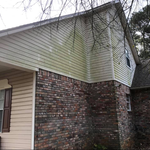
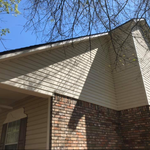
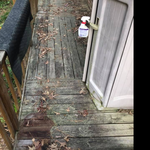
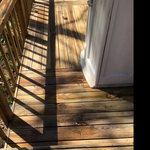
+10
Recommended by100%of homeowners
*The Angi rating for Deck Cleaning companies in Farmerville, LA is a rating based on verified reviews from our community of homeowners who have used these pros to meet their Deck Cleaning needs.
*The HomeAdvisor rating for Deck Cleaning companies in Farmerville, LA is a rating based on verified reviews from our community of homeowners who have used these pros to meet their Deck Cleaning needs.
Last update on August 27, 2025
Serving Farmerville, LA and surrounding areas
+10

Serving Farmerville, LA and surrounding areas
In business since 2023
Free estimates
Credit card accepted
"This company is top tier! They are the professionals! If you want quality work for a great price these are your guys! Great job on my property!"
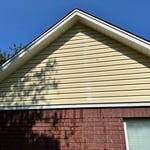

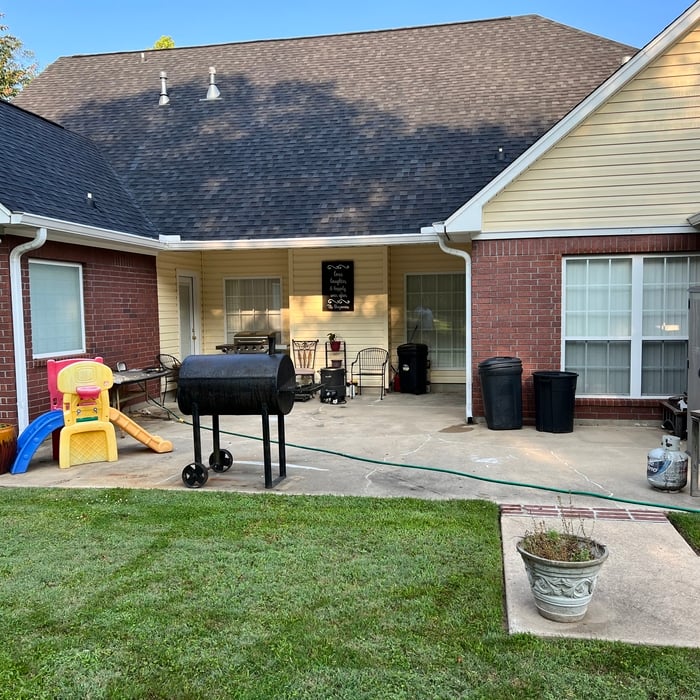
+6
Serving Farmerville, LA and surrounding areas
In business since 1980
Free estimates
Credit card accepted
"Everyone was very professional and cleaned up."
Serving Farmerville, LA and surrounding areas
Free estimates
Credit card accepted
"They did great. They showed up when they said they were going to, and everything was clean and looked right when they left."

+15

Serving Farmerville, LA and surrounding areas
In business since 1995
Free estimates
Credit card accepted
"Power washed deck and painted it. Very good job. Very professional people. The work was great"
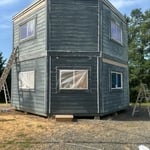
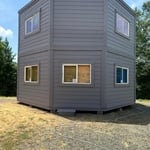
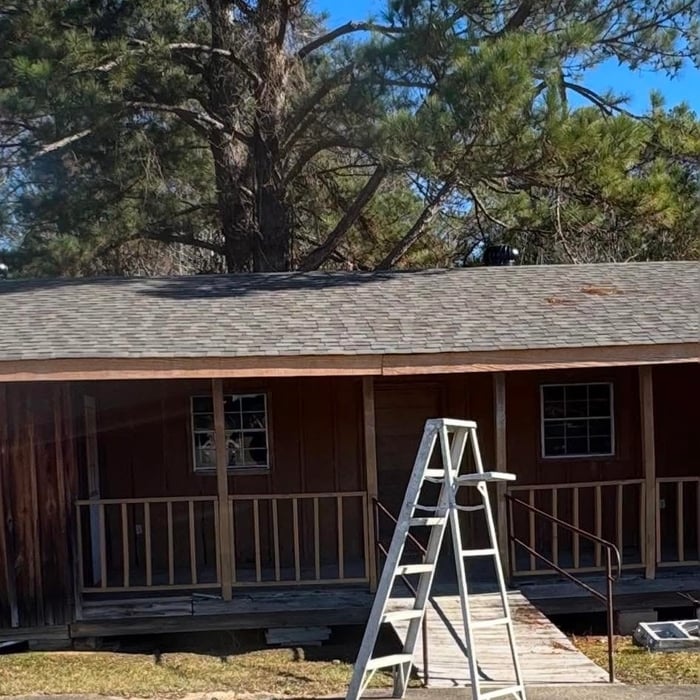
+33
Serving Farmerville, LA and surrounding areas
In business since 2017
Free estimates
Offers commercial services
At Southern Clean Softwashing we pride ourselves on being the best pressure washing and roof cleaning services company in the area. We've built an excellent reputation for customer satisfaction by providing quick estimates, a great attention to detail, and competitive pricing. Being a screened and approved professional gives you the peace of mind you need to allow us to give your home the attention it deserves. Call us today and let's get started!
Serving Farmerville, LA and surrounding areas
In business since 2017
Free estimates
"Their workmanship was excellent, very friendly group of guys."
Serving Farmerville, LA and surrounding areas
In business since 2019
Free estimates
Small jobs welcome
"The results was far batterthan I had amagined."
Serving Farmerville, LA and surrounding areas
In business since 2024
Free estimates
Credit card accepted
"The work was done to my standard."
Serving Farmerville, LA and surrounding areas
In business since 2006
Free estimates
"I'm the owner of Blue Heron Homes in Monroe La. Spence's Fence always takes care of our projects and we never have to worry because the do what they say. I would highly recommend them for wood fences, metal fences, gates, and screen projects."

+12
From average costs to expert advice, get all the answers you need to get your job done.
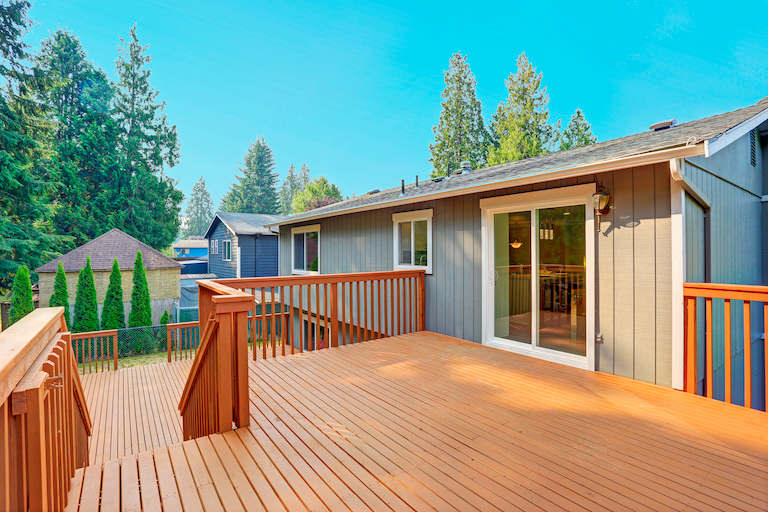
Refinishing your deck is a great way to restore its appearance and fall in love with your outdoor space. Use this guide to learn how much it costs based on factors like size and type.

The cost to pressure wash a deck depends on its size, condition, material, and whether you DIY the job. Help set your budget with this cost guide.
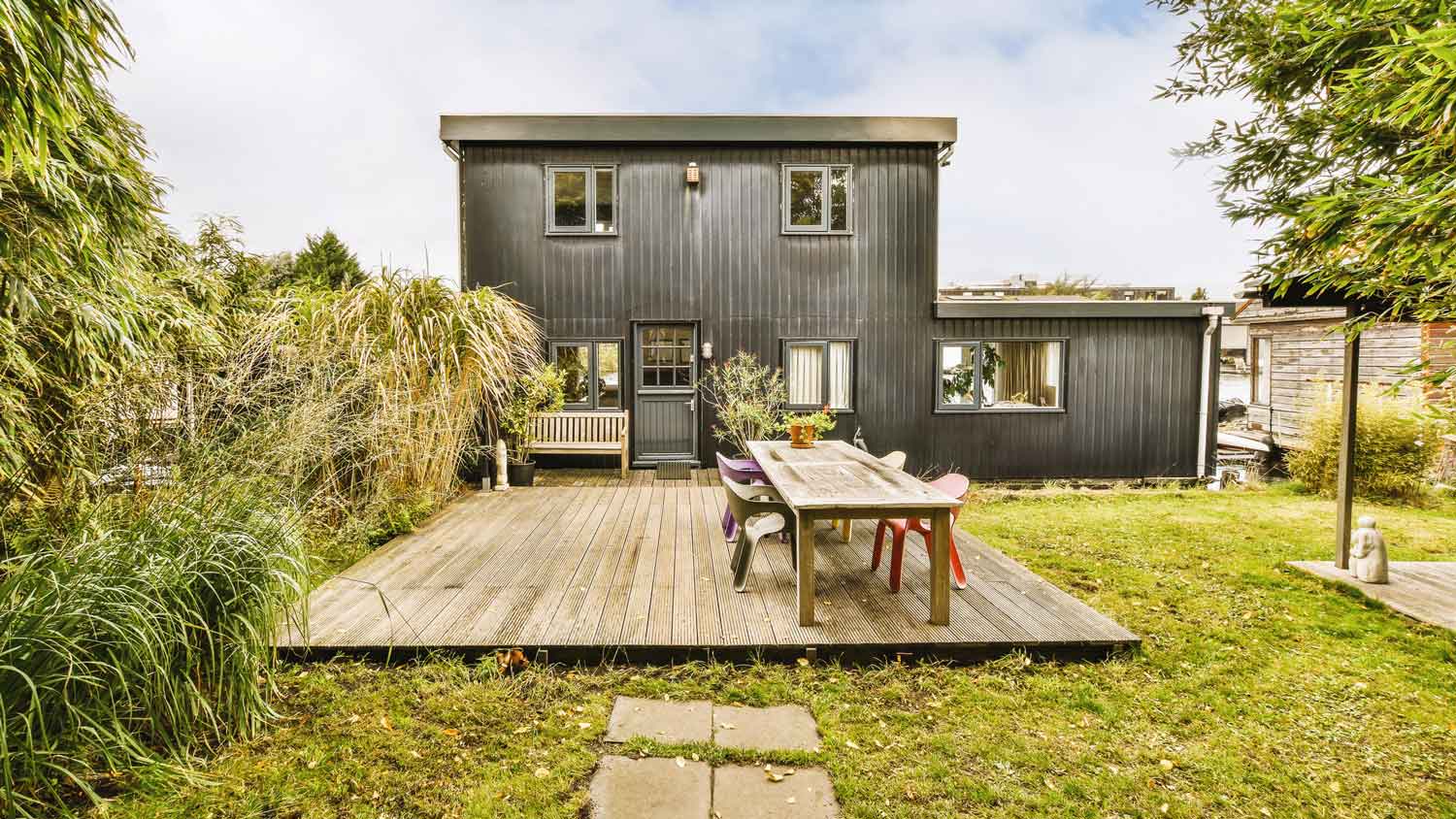
Cleaning your deck at least once a year boosts its durability and appearance. Learn how to clean decking, whether it's wood or composite.
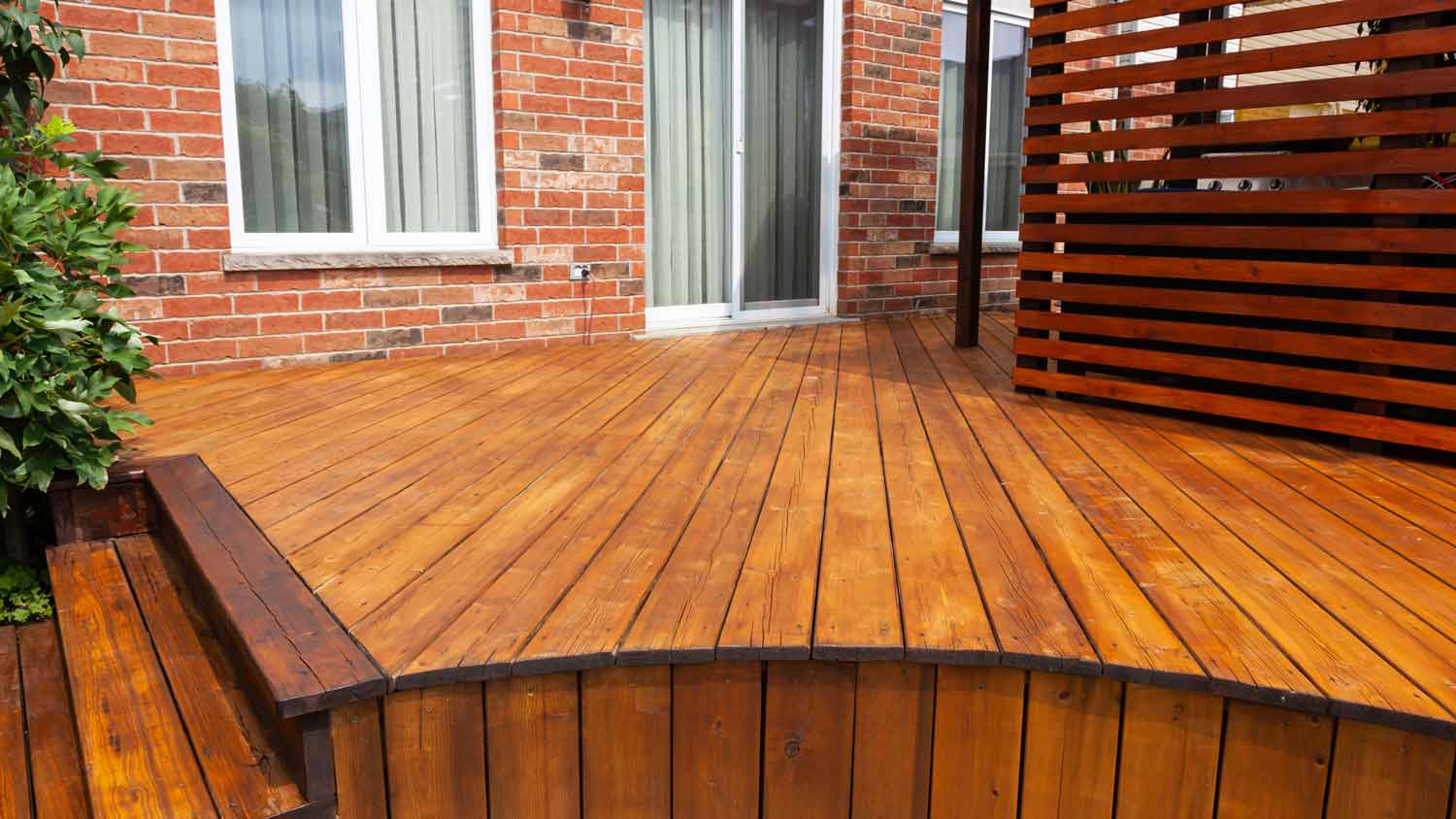
Learn how to clean a deck before staining to ensure long-lasting adhesion, weatherproofing, and optimum appearance of this coloring and protecting treatment.

Deck maintenance is vital to protecting a wooden deck. Cleaning, staining and sealing a deck after pressure washing will add years to its lifespan. Protect a deck by following these deck maintenance tips for cedar and other types of wood materials.

Knowing how to clean and seal a deck can help extend its life and keep it looking like new. This DIY guide sheds light on the best way to clean a wood deck.