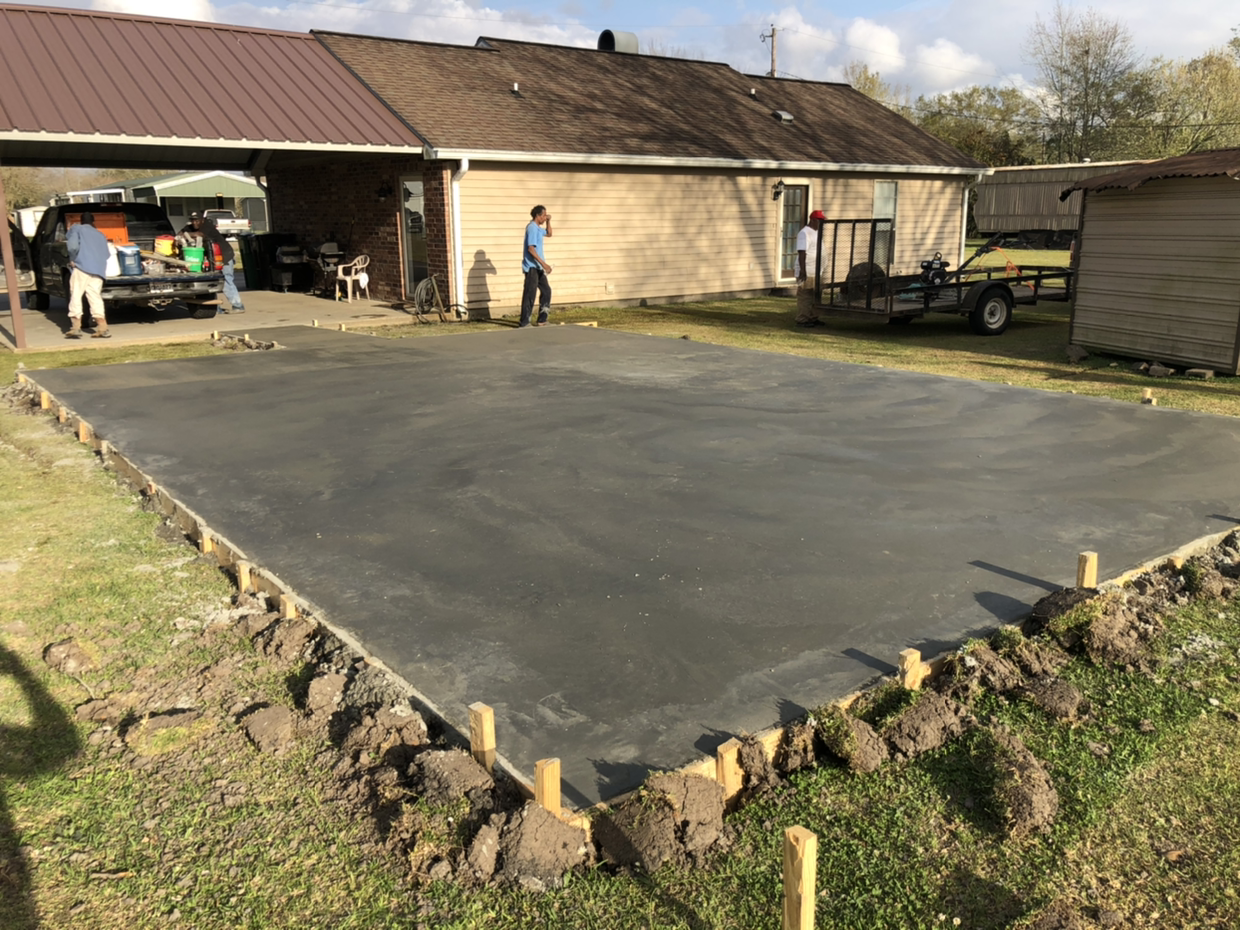
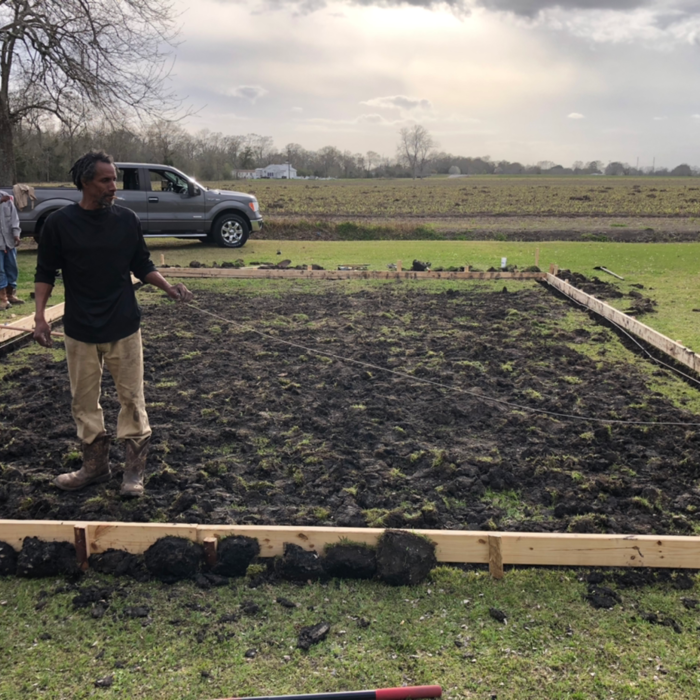
Texas Stucco has been serving the Mid- to Southern Louisiana areas since the late 90's, and has over 15 years experience in Stucco Siding, Plaster, Painting and Concrete & Masonry. Our knockdown Stucco is unmatched. No job is too big our small. We are a complete one stop shop including painting service. Please call us today for a free and honest quote. We guarantee no mess. Please call us to have us tend to your residential changes you will find our professional experts willing to help out in any way.\n\n
With several years experience, we work hard to bring each customer the best possible service and quality available. We look forward to working with you on your next project. We welcome your questions and thank you for your interest.
Concrete Mudjacking questions, answered by experts
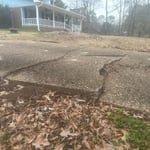
Yes, you can mudjack cracked concrete, but the cracks will need to be repaired once the concrete has been leveled. If the concrete is severely cracked in multiple places, replacement may be a better option, but for less severe cracking, mudjacking is a good solution as long as cracks are correctly caulked and sealed.
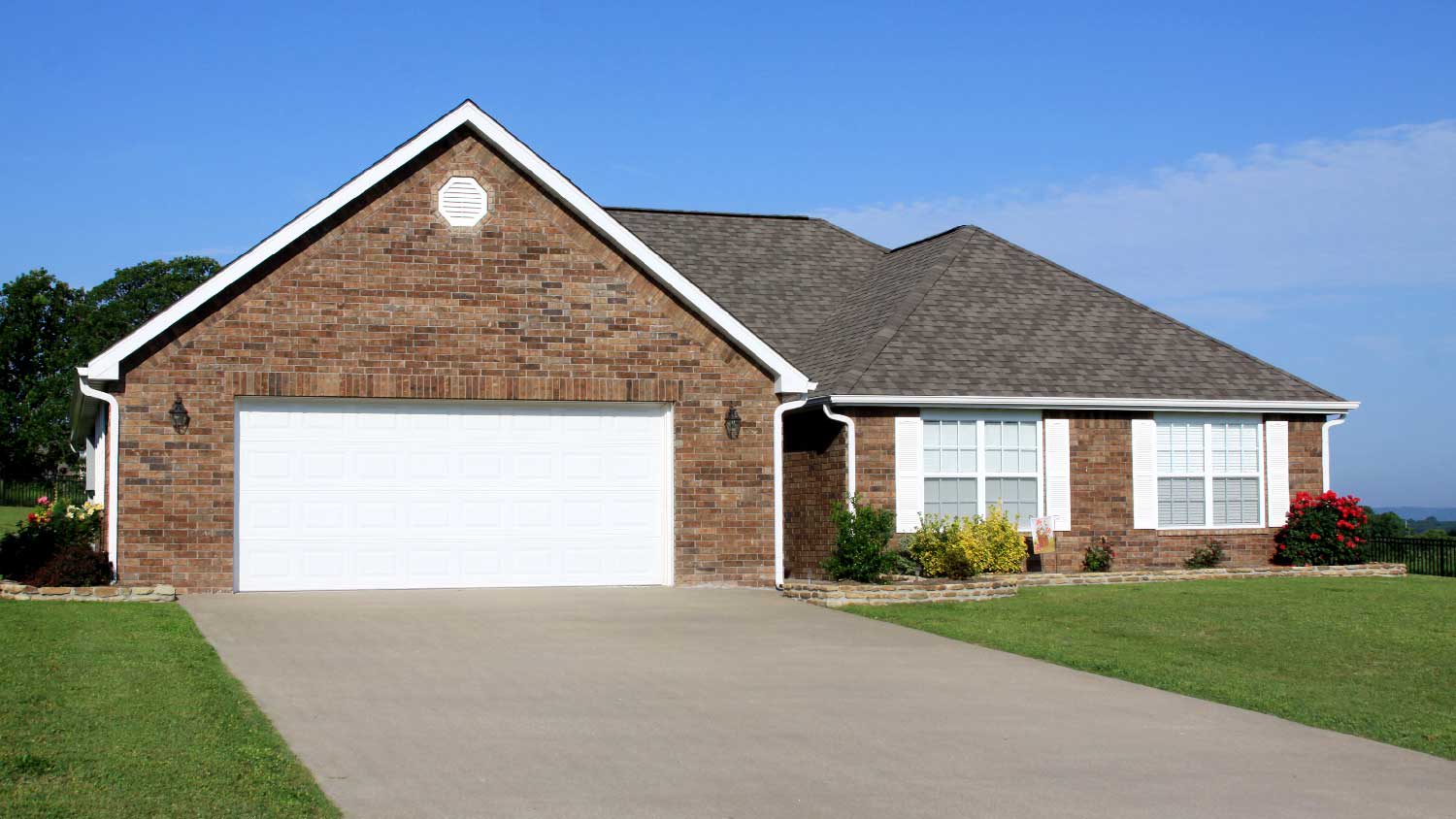
Mudjacking is usually reserved for light-duty slabs, like patios, driveways, and sidewalks. However, it can be an effective way to lift garage slabs and concrete around the perimeter of the home, which could harm your foundation if it’s not done properly. The risk of damage is why having a professional mudjacking company carry out the work is important. This type of slab or foundation repair is relatively inexpensive, especially if you consider that a DIY job requires that you pay to rent the necessary equipment.
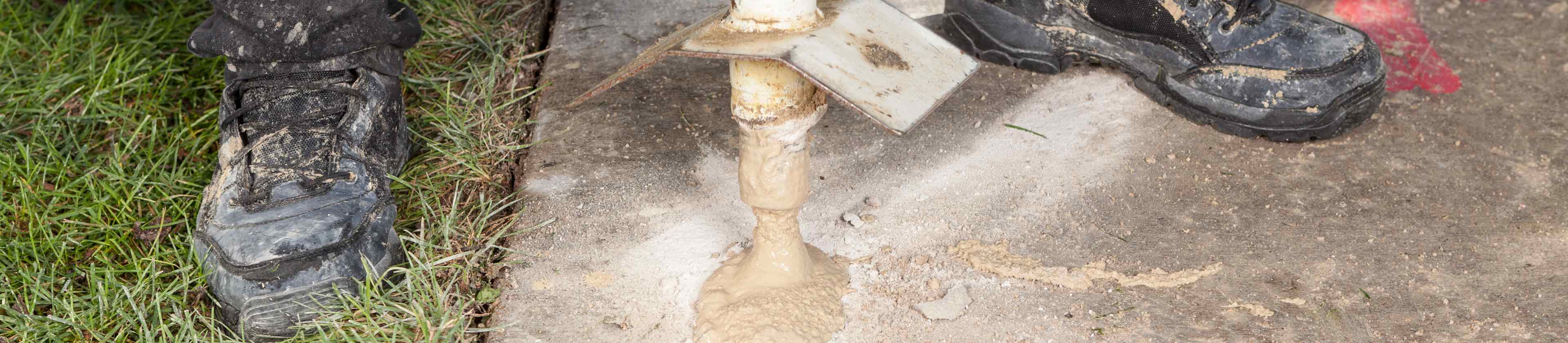
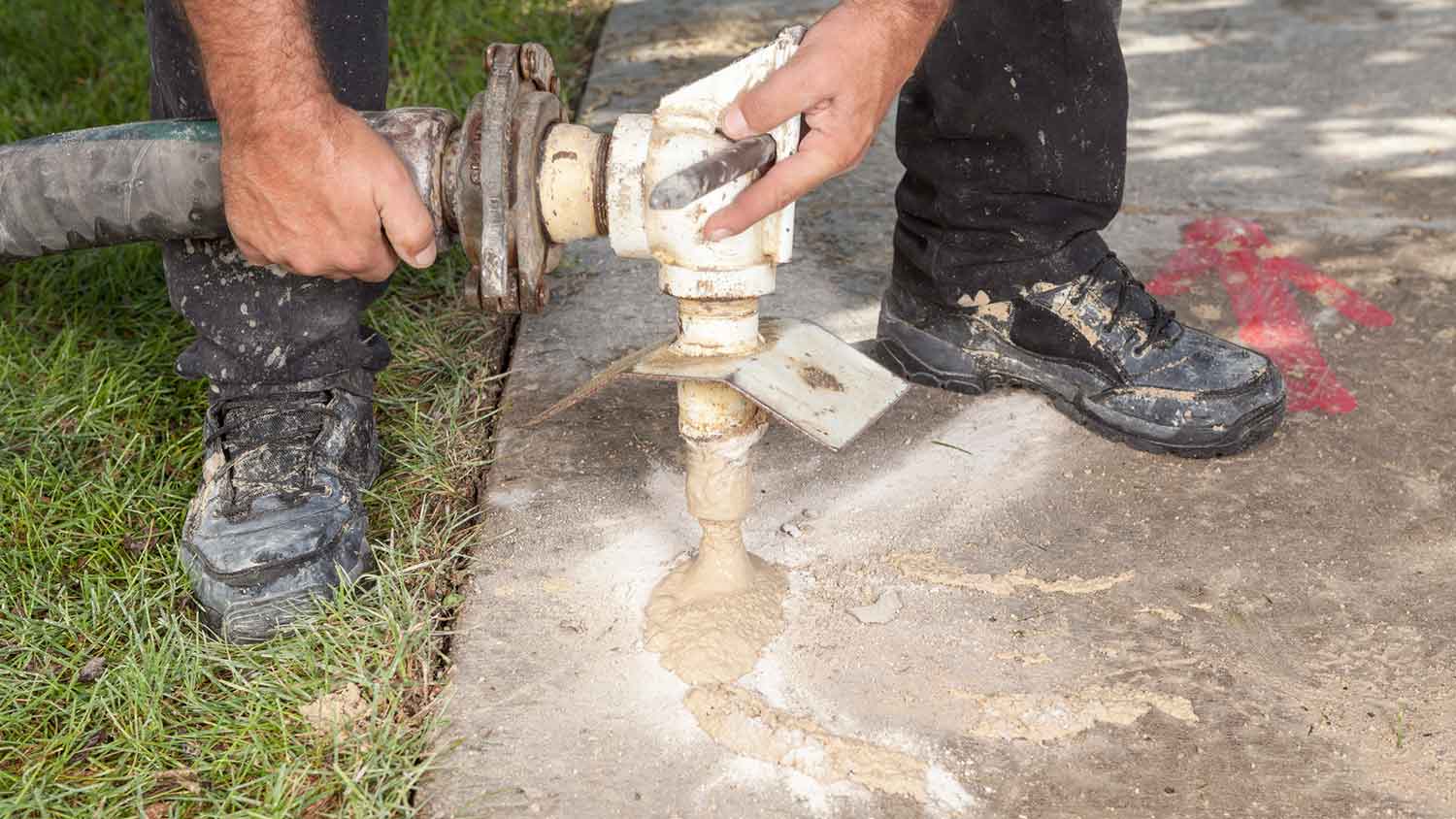
The method involves lifting settled concrete using pressurized cement slurry via drilled holes. This solves uneven surfaces and prevents further settling.
Generally speaking, push piers—or steel piers—are the best option for underpinning, as they reach down to solid bedrock to find support for your foundation rather than relying on soil, which could be subject to the same issues as the soil directly below your foundation. However, the best underpinning method for your home depends on your location, how far down the bedrock is, and the type of soil in your area. Helical piers are usually the best option for sandy soil or in areas where the bedrock is too deep to use steel piers.
Mudjacking typically takes 24 to 72 hours (one to three days) to dry and cure completely before you can resume normal use. The total drying time can vary depending on the size of the project. Because the slurry mixture contains cement, it needs to harden fully to prevent the concrete slab from shifting under added weight. You should avoid walking on the concrete or placing heavy items like furniture or vehicles on the surface until it has fully set. Your concrete contractor can provide a precise timeline. As a point of comparison, if you opt for polyjacking, the polyurethane foam can dry in minutes, but it's recommended to wait about an hour before use.
The Erath, LA homeowners’ guide to concrete mudjacking services
From average costs to expert advice, get all the answers you need to get your job done.
DIY mudjacking is an advanced task, but learning how to raise a concrete slab is great to know for many scenarios. Let's take a look at how to DIY mudjack.