

Hi, my name is Braden Cazes, owner of GC Property Restoration. We are a locally owned company dedicated to providing reliable, high-quality restoration and property improvement services. We take pride in honest communication, attention to detail, and making sure every job is completed the right way.\n\nAt GC Property Restoration, customer satisfaction is our top priority. Whether it’s repairs, renovations, restoration work, or general property improvements, we work hard to deliver professional results at a fair price. We appreciate every opportunity to earn our customers’ trust and look forward to helping bring your project to life.
"Upon accepting the assignment, Eric showed us choices for our shingles and even gave us locations in the area where that particular type and color shingle had been used. His team showed up exactly as promised, did what they were supposed to do AND MORE, cleaned up beautifully and left in a timely manner. Even though there was MUCH MORE repair work on the roof underlayment than expected, the quoted price remained the same. In an industry where "war stories" abound about unscrupulous operators, It was an absolute pleasure to deal with Mr. Newsome and Sunrise Roofing."
Concrete Mudjacking questions, answered by experts
Most houses are expected to settle over time, but foundation sinking of more than a few inches or uneven sinking of more than an inch for every 20 feet is cause for concern. Any significant or uneven sinking should be assessed by a professional to determine the cause and perform any necessary repairs.
Trenching and boring are two distinct methods for installing underground utilities. Trenching involves digging a channel using equipment like an excavator, trencher, backhoe, or shovel. While it is a simpler process, it causes significant disruption to the surface, landscaping, and surrounding ecosystems.
Boring, also known as directional boring, is a less invasive alternative that uses a drill to create a tunnel for utility lines without disturbing the surface. This method is more precise and is ideal for installations that need to go underneath buildings, roads, or bodies of water. Although boring is less disruptive, it is generally more expensive than trenching.
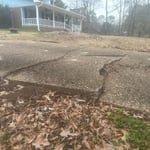
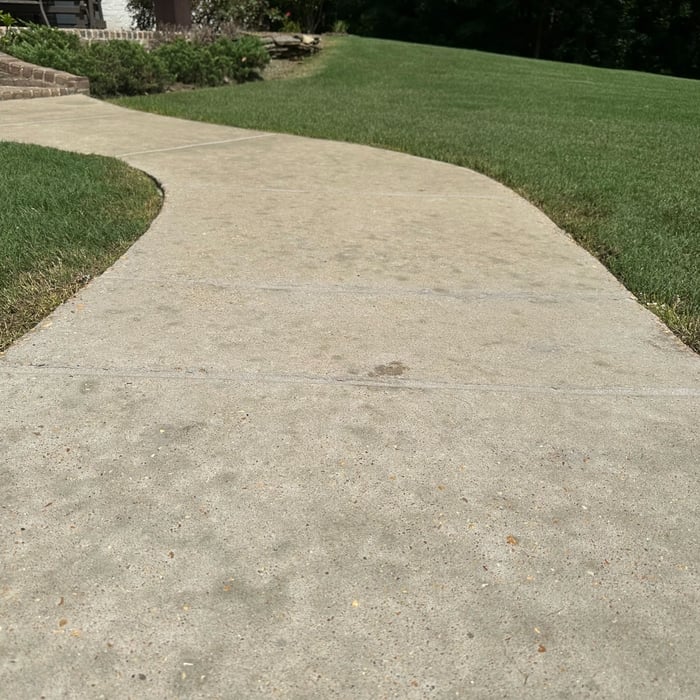
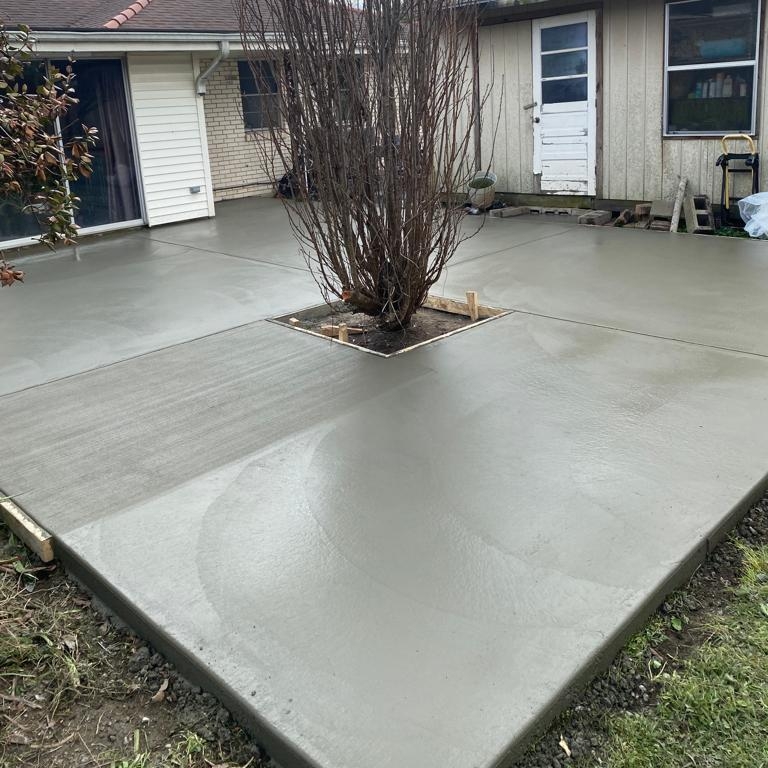
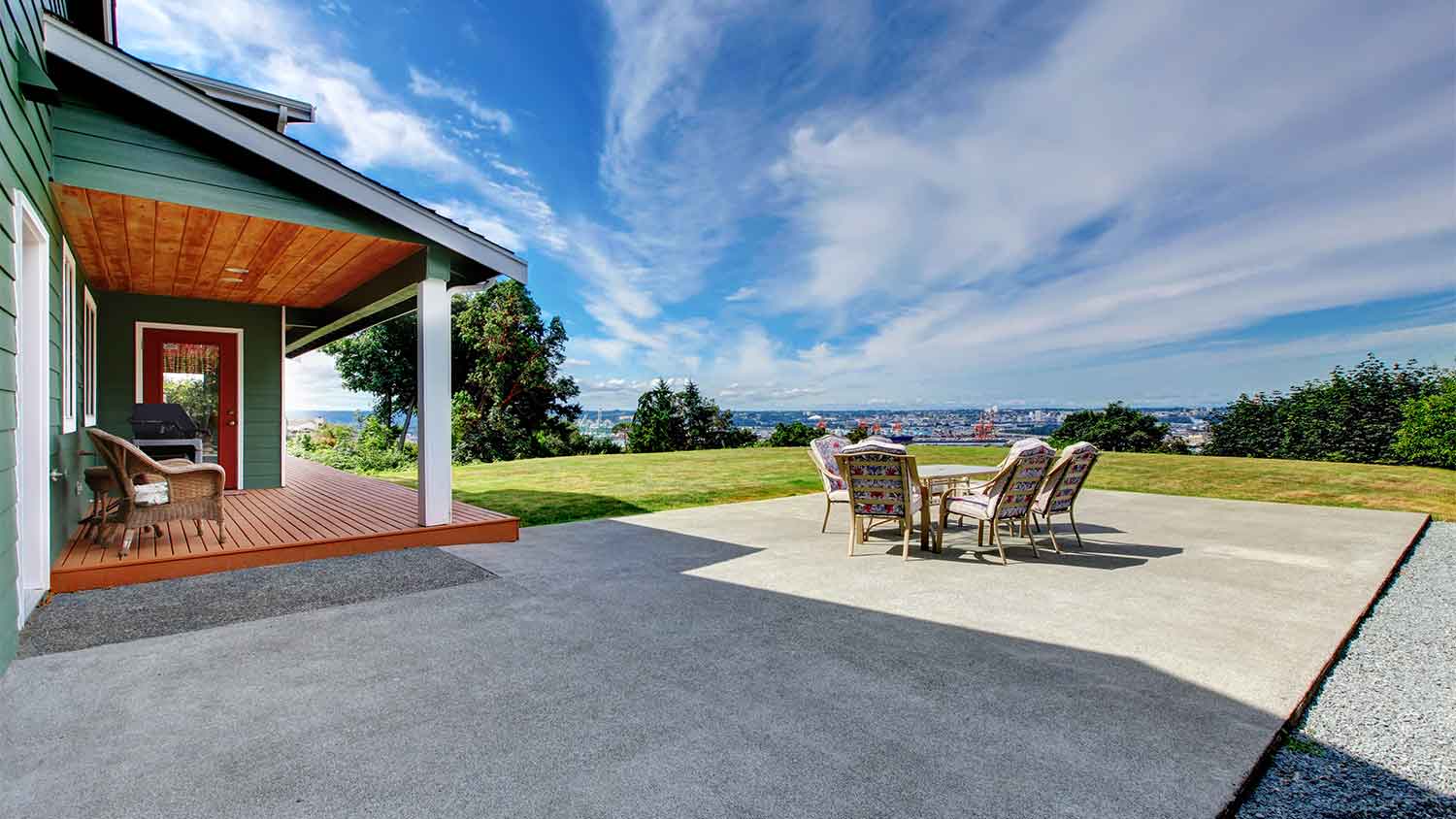
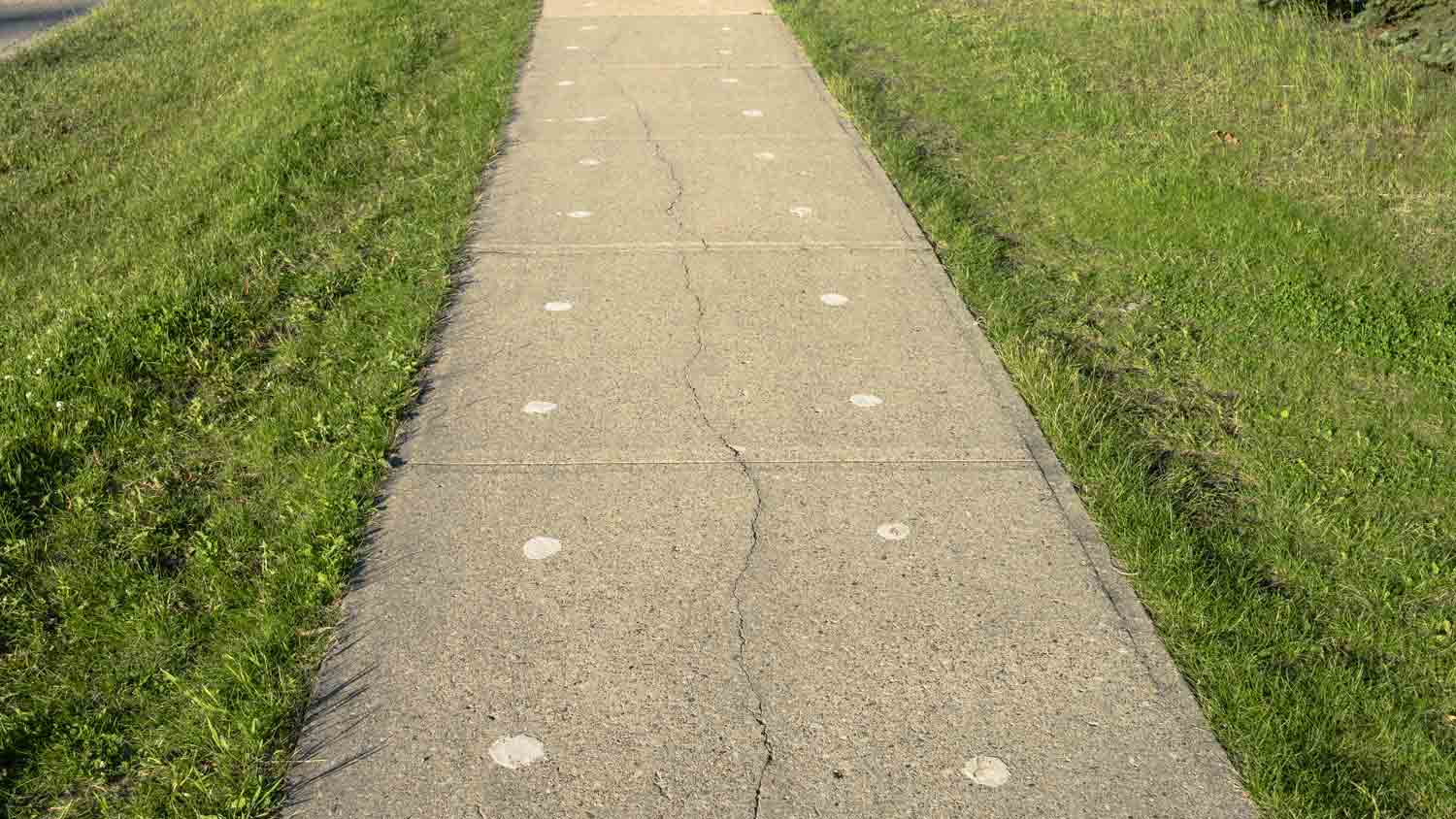
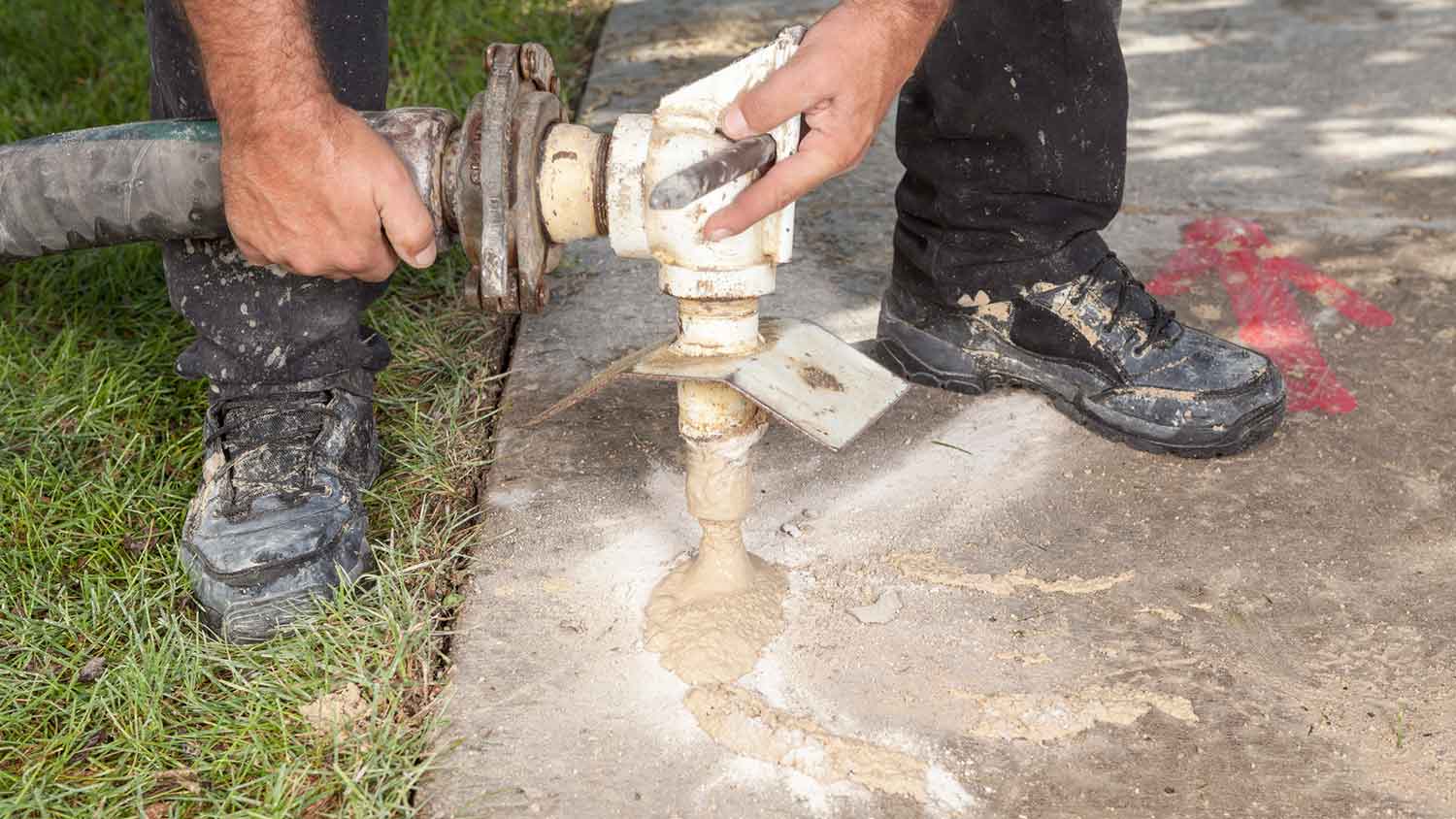
Mudjacking is suitable for sidewalks, driveways, patios, and nearly all exterior flat structures. However, it may not suit severely damaged or heavily cracked areas.
Concrete leveling can last anywhere from five to 10 years or more, and in some cases, it can be a permanent solution. The longevity depends on the method used and whether the underlying cause of the sinking is addressed. For example, mudjacking typically lasts five to 10 years, while polyjacking can last for 20 years or more. It's best to consult a professional for an accurate timeline based on your specific situation and any factors that could cause the issue to recur.
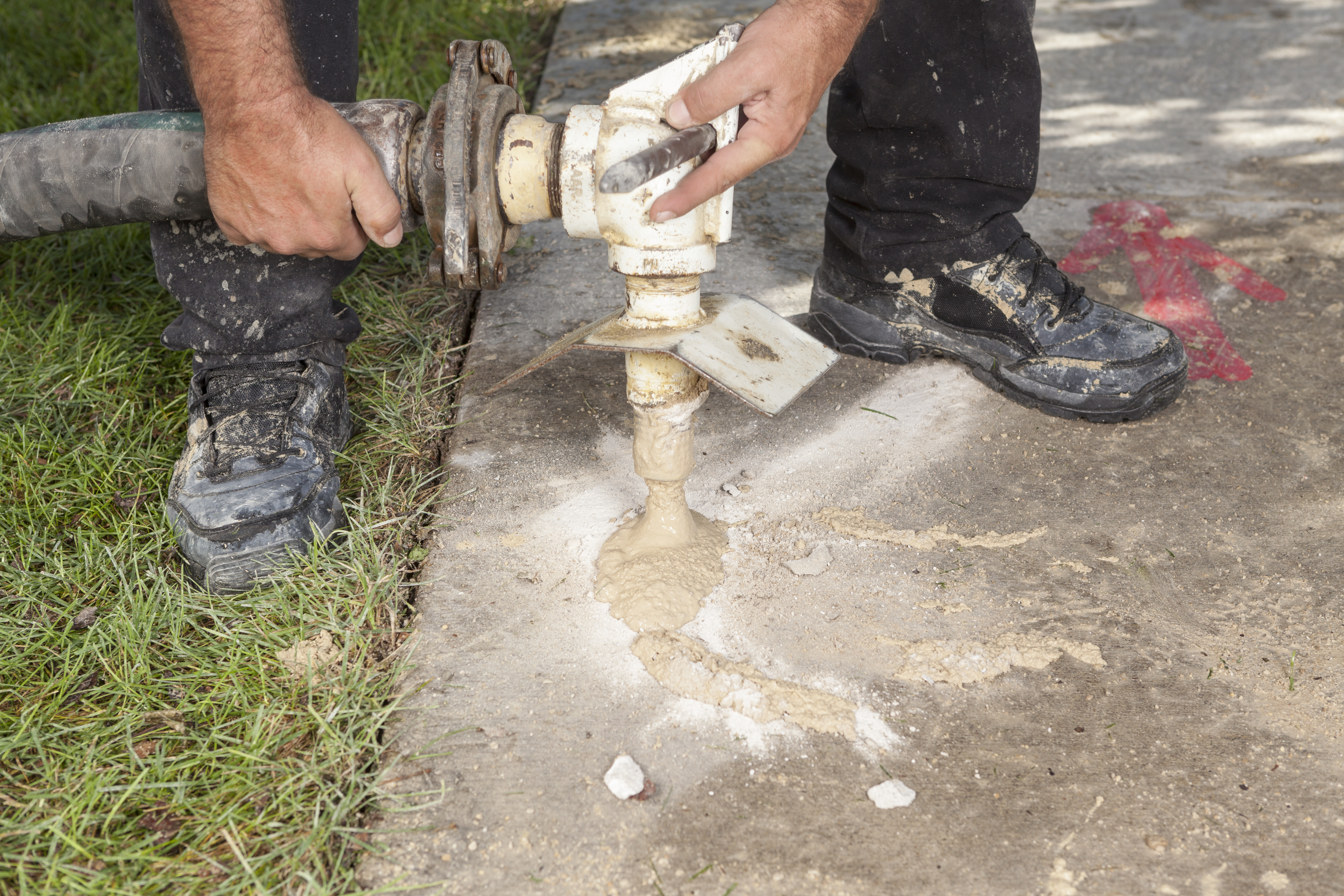
Mudjacking is usually reserved for light-duty slabs, like patios, driveways, and sidewalks. However, it can be an effective way to lift garage slabs and concrete around the perimeter of the home, which could harm your foundation if it’s not done properly. The risk of damage is why having a professional mudjacking company carry out the work is important. This type of slab or foundation repair is relatively inexpensive, especially if you consider that a DIY job requires that you pay to rent the necessary equipment.
The Clinton, LA homeowners’ guide to concrete mudjacking services
From average costs to expert advice, get all the answers you need to get your job done.
DIY mudjacking is an advanced task, but learning how to raise a concrete slab is great to know for many scenarios. Let's take a look at how to DIY mudjack.