


Top-rated radon detection and reduction specialists.

Get matched with top radon detection and reduction specialists in Cheneyville, LA

Enter your zip and get matched with up to 5 pros

Need a pro for your radon detection and reduction project in Cheneyville, LA?

Select your specific project to find the pro for you.

Find Radon detection and reduction specialists in Cheneyville

Avatar for Spaulding Decon
Spaulding Decon
5.0(
1
)
Radon Gas - AbatementRadon Gas - Testing

Serving Cheneyville, LA and surrounding areas

In business since 2005

Free estimates

Emergency services offered

We provide professional services such as: biohazard, hoarding, water damage, thorough mold remediation, drug use/lab, and crime scene clean up services to the whole of Louisiana and nationwide.\n\nOur team is committed to providing efficient, discreet, and empathetic services tailored to each unique situation. Whether you're dealing with an urgent clean up need or seeking reliable restoration services, we're here to ensure a safe and healthy environment.


Radon Detection and Reduction questions, answered by experts

While DIY testing is possible, abatement generally requires professional installation to ensure efficacy and meet safety standards.

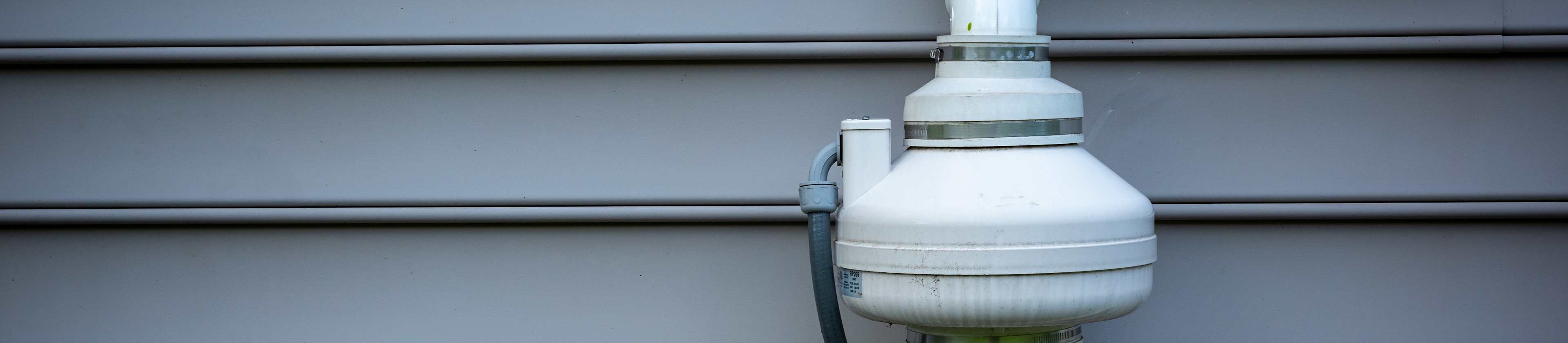
Your radon mitigation system may be loud because it’s time to replace it. Any sounds are usually from the inline fan that helps create the vacuum and resulting airflow. If you hear a new, loud mechanical or humming noise from your radon fan, it might be time to replace it. Most fans used in radon mitigation systems last up to 10 years, but may need to be replaced sooner.

The average radon mitigation system uses about 876 kWh of electricity per year, although the exact amount of electricity used will vary depending on the size of the radon fan. Once the system is installed, the annual increase to your energy bill could range from $30 to $300 per year, again depending on the size of the fan.

Radon detection is crucial as prolonged exposure to radon gas, a leading cause of lung cancer, poses significant health risks in residential environments.

Radon is present almost everywhere but, like sunlight, the concentration levels and how often you are exposed to it have a large part to play in just how dangerous it is. There are levels of radon that are acceptable inside a house, but above a certain limit, radon becomes a serious radioactive hazard that is a known cause of lung cancer. In fact, radon exposure is the number two leading cause of lung cancer (after smoking).

The Cheneyville, LA homeowners’ guide to radon detection and reduction services

From average costs to expert advice, get all the answers you need to get your job done.


