Top-rated leaf removal pros.

Get matched with top leaf removal pros in Broussard, LA

Enter your zip and get matched with up to 5 pros

Need a pro for your leaf removal project in Broussard, LA?

Select your specific project to find the pro for you.

TRUSTED BY BROUSSARD, LA HOMEOWNERS

  • Average homeowner rating star icon4.6
    Average homeowner rating
  • Verified reviews icon43
    Verified leaf removal services reviews

Find Leaf removal pros in Broussard

Avatar for Gator Js LLC
Gator Js LLC
5.0(
3
)
Waste, Junk, Building Materials and Debris - Remove and Haul

Serving Broussard, LA and surrounding areas

Approved

Free estimates

Emergency services offered

Small jobs welcome

"Jaffen was quick to respond, quick to quote and quick to do the job! I hired for junk removal and he was the best priced and he went the extra mile and made sure all the small pieces were taken too! I’ll add them pictures soon!"
12 neighbors recently requested a quote
Avatar for VALLE TREE SERVICES LLC
VALLE TREE SERVICES LLC
5.0(
3
)
Lawn Care - Maintain and Mow a LawnLawn Care - Fall / Spring Clean Up - For Business

Serving Broussard, LA and surrounding areas

Approved

Free estimates

Credit card accepted

Offers commercial services

We take great pride in our experience, expertise, quality, and customer service that we provide to meet the consumer's custom needs. It is our mission to provide excellent workmanship and complete customer satisfaction from start to completion of a project. In order to understand the needs and expectations of our customers, we take great care to work and communicate with every customer in a professional manner. Our reputation is based on service, safety, and quality, regardless of how large or small the job.

Business card
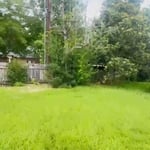
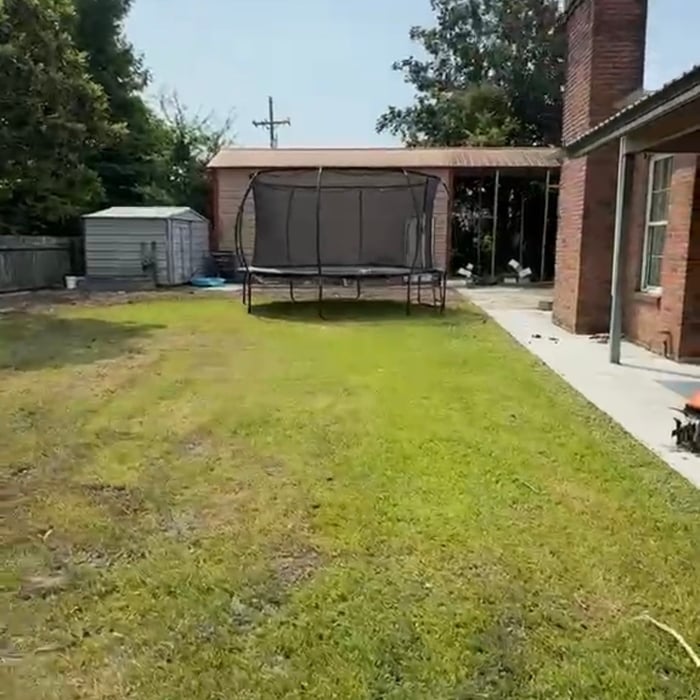
Before
Before
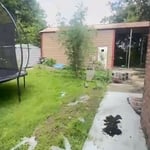
After
After

+1

3 neighbors recently requested a quote
...
Showing 1-10 of 380
Leaf Removal questions, answered by experts

Chlorine has a shelf life of between six months and several years, depending on its type and formulation. Liquid chlorine can often lose its effectiveness in just a few weeks. Pool owners can find themselves with overstock that they need to get rid of. The best way to dispose of excess chlorine is to take it to a hazardous waste collection site and let the pros handle it.  

The best disposal method for hazardous waste is recycling or donation, if possible. That way, the world can reduce its consumption of raw materials and the volume at which materials have to be treated and disposed of. If recycling or donation is not an option, most waste can be disposed of through landfills or incinerators, but their collection and treatment are separate from regular day-to-day waste disposal. 

The best way to remove lead paint is by wet hand sanding and removing all dust and residue with a HEPA vacuum. Professionals may also strip and scrape lead-based paint with a paint scraper. In some cases, you may choose to have a pro encapsulate or enclose your lead-based paint surface by covering it with a sealant or a new material. You may also choose to replace the material altogether.

Exterior paint contains a higher level of VOCs, which can be dangerous if you’re exposed to it for a long period of time. The good news is that paint’s toxicity reduces significantly once fully dried and cured. Do not keep open exterior paint cans in your home, basement, or garage, exposing your household to harmful chemicals over time.

According to the Environmental Protection Agency (EPA), hazardous waste is generally classified into four main categories:

1. Characteristic Wastes: These exhibit at least one of four hazardous traits: ignitability (flammable, like gasoline), corrosivity (can rust or decompose materials, like car batteries), reactivity (unstable and can explode, like aerosol cans), or toxicity (harmful when ingested, like lead-based paint).

2. Listed Wastes: These are specific wastes from manufacturing and industrial processes that the EPA has officially designated as hazardous. They include byproducts from processes that use solvents, pesticides, and other chemicals.

3. Universal Wastes: These are commonly generated hazardous items that are subject to streamlined regulations. Examples include batteries, pesticides, mercury-containing equipment (e.g., bulbs), and some lamps.

4. Mixed Wastes: This category includes waste that contains both hazardous and radioactive components, making it subject to regulation by both the EPA and the Nuclear Regulatory Commission.

The Broussard, LA homeowners’ guide to leaf removal services

From average costs to expert advice, get all the answers you need to get your job done.