








Top-rated aquarium service pros.

Get matched with top aquarium service pros in Berwick, LA

Enter your zip and get matched with up to 5 pros

Need a pro for your aquarium service project in Berwick, LA?

Select your specific project to find the pro for you.

TRUSTED BY BERWICK, LA HOMEOWNERS

  • Average homeowner rating star icon4.9
    Average homeowner rating
  • Verified reviews icon12
    Verified aquarium services reviews

Find Aquarium service pros in Berwick

Avatar for Rock Creations
Rock Creations
New to Angi
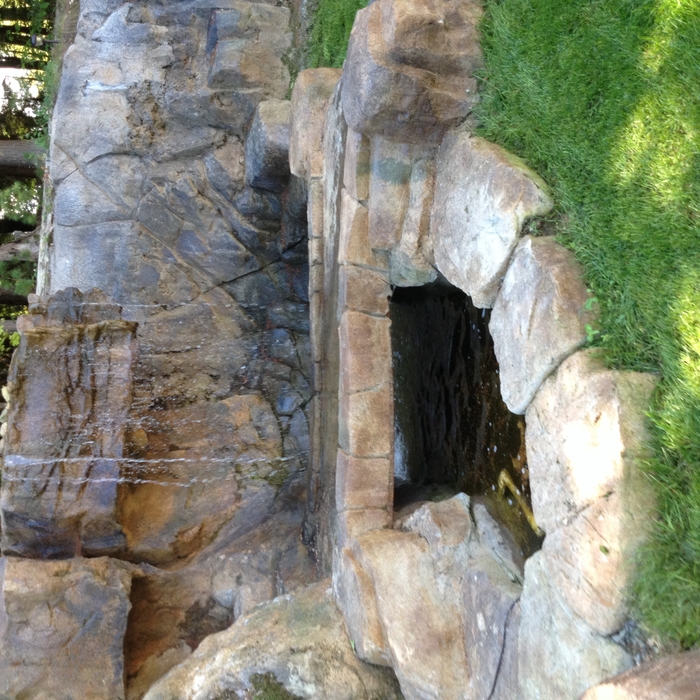
Water Feature - Install a Pond

Serving Berwick, LA and surrounding areas

In business since 2013

Credit card accepted

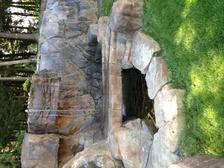
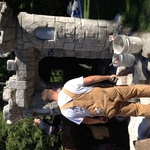
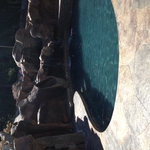
Rock Creations is a veteran owned and operated local business with high standards of customer satisfaction. To us it is not just about earning your business but establishing a lasting relationship while making your yard the most talked about yard on the block! What sets us apart is our attention to detail in the landscaping industry. We specialize in concrete hardscapes.

Vertical concrete
Flatwork stamped texture and scored
Resort style living
Retaining walls
Water features

+2

Response time2 hrs
Response rate100%
Aquarium Services questions, answered by experts

You should pump your septic tank once every two to four years for a family of four, depending on your septic tank size. You should pump a 1,000-gallon septic tank every two years, while a 1,500-gallon tank should be pumped every four years. Water usage also affects how often you should pump your septic tank. If you notice slow drains, foul smells, or gurgling sounds from your drains, you should pump your septic tank as soon as possible.

A properly installed and maintained septic drain field (also known as a leach field) can last up to 50 years, though the average is around 20 years. However, factors like poor soil conditions, heavy usage, or improper maintenance can significantly shorten its lifespan to 15-20 years.

To extend the life of your drain field:

  • Schedule Regular Inspections: Have the entire septic system, including the drain field, inspected every two to five years to catch problems early.

  • Protect the Area: Avoid driving heavy vehicles or placing heavy structures over the drain field. Plant only grass or other lightweight vegetation with shallow roots over the area.

  • Maintain the Septic Tank: Proper care of the septic tank, including regular pumping and avoiding harmful chemicals, prevents strain on the drain field.

Be aware of signs of failure, such as strange odors, standing water, or unusually lush grass over the field, which indicate your system may need professional attention.

The bacteria already present in your septic system should be enough to break down solids in a properly maintained septic tank. However, if you’re in a DIY mood, you can try adding (well-mashed) rotten tomatoes to help the good bacteria fulfill their duty. Just make sure you give them a couple hours to work after flushing them down.

A septic system can fail for various reasons, and most commonly, excessive water use or sudden surges in wastewater can overwhelm the system's capacity. Neglecting regular maintenance, like tank pumping and inspections, can also lead to clogs, leaks, and eventual breakdowns. Other issues that lead to failure include age-related wear and tear, root infiltration, improper disposal of non-biodegradable materials or chemicals into the system, unsuitable soil conditions, physical damage, and even environmental factors like flooding or soil erosion.

A two-way cleanout can help if there’s already a clog, but the best strategy to prevent one is by not rinsing grease, oil, or fat down your drains, not flushing or rinsing coffee grounds or egg shells down your drains, flushing only human waste and toilet paper (so no diapers, period products, bathroom wipes, or paper towels), and using drain guards on all of your drains.

The Berwick, LA homeowners’ guide to aquarium services

From average costs to expert advice, get all the answers you need to get your job done.