


Top-rated boiler installation pros.

Get matched with top boiler installation pros in Angie, LA

Enter your zip and get matched with up to 5 pros

TRUSTED BY ANGIE, LA HOMEOWNERS

  • Average homeowner rating star icon4.1
    Average homeowner rating
  • Verified reviews icon23
    Verified boiler installation services reviews

Find Boiler installation pros in Angie

Avatar for North Alabama Technical Services
North Alabama Technical Services
4.9(
124
)
Boiler or Radiator Heating System - Install or ReplaceElectric Boiler or Radiator Heating System - InstallGas Boiler or Radiator Heating System - Install+3 more

Serving Angie, LA and surrounding areas

In business since 2010

Emergency services offered

Credit card accepted

"Jim Farrell and North Alabama Technical Services rebuilt my computer and provided me with everything I expected and so much more.  He provided the various options in equipment, including specs and pricing, answered all our questions and helped us make the best decision for our purchases.  The computer was completed in a few days, far less than expected, the installation included clear directions for use.  The package also included a good warranty for the equipment.  I was extremely pleased with his service and would not hesitate to recommend his company to anyone with computer service needs."
2014 Super Service Award Winner!
Additional Photos
Recommended by97%of homeowners
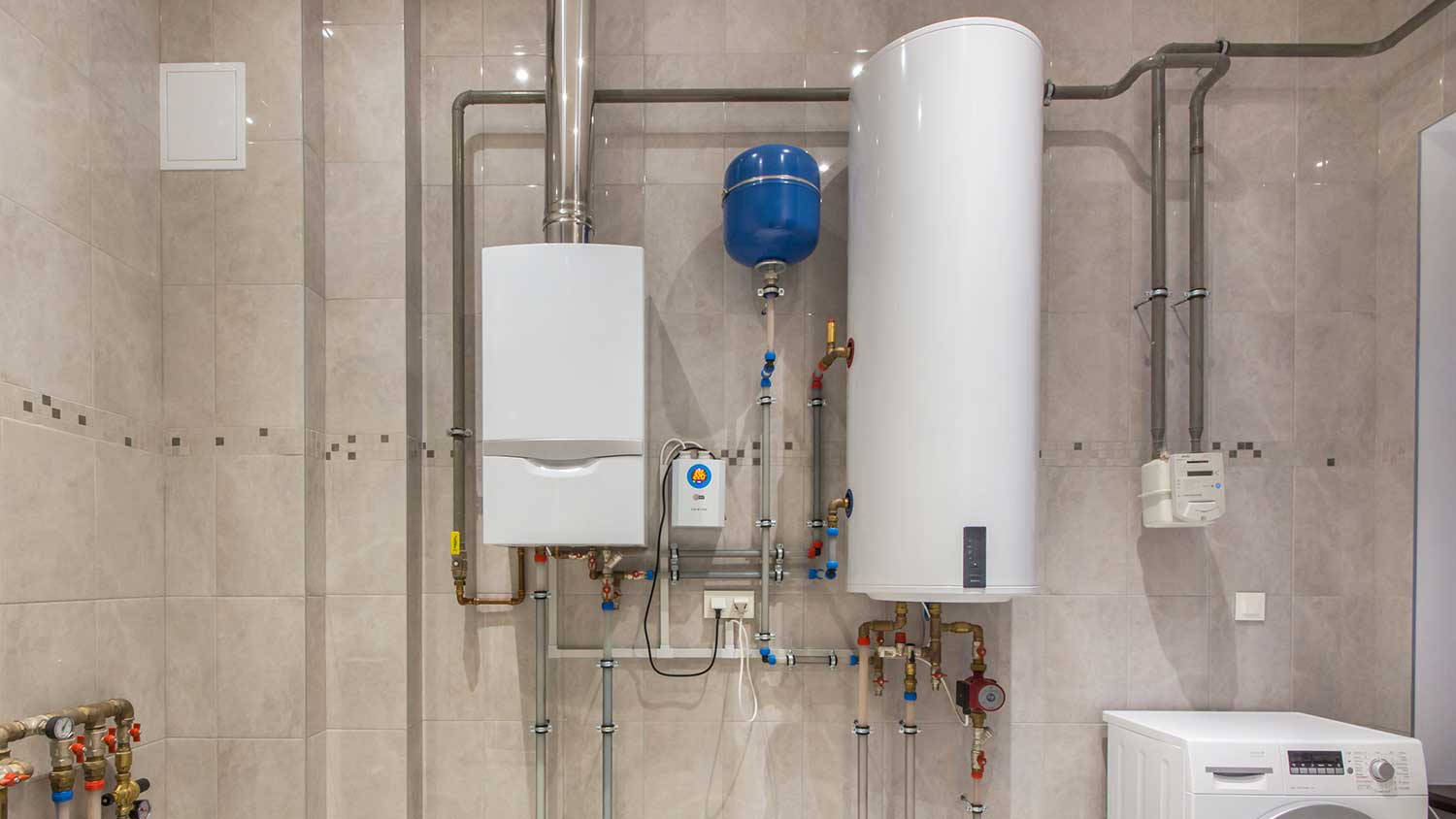
Showing 1-10 of 20
Install Boiler questions, answered by experts

On average, you’ll need about two gallons of oil per day to heat your house when it’s 50 degrees Fahrenheit outside. Most oil tank capacity is about 275 gallons, and heating your house with two gallons of oil per day will last about four and a half months. This consumption will vary depending on the climate and average temperature in your location. For example, if the winters are longer and colder where you live, you’ll probably need to refill your oil tank at least once to get through the winter.

Boilers are equipped with multiple safety features to ensure safe operation. These include pressure relief valves to prevent overpressure, temperature high-limit switches to avoid overheating, and flame failure safety devices in gas boilers to cut off the gas supply if the flame goes out unexpectedly. Low water cutoffs prevent operation with insufficient water levels, and pressure gauges help monitor pressure levels. Ventilation and flue systems prevent the buildup of harmful gasses. Boilers often feature error code systems for automatic shutdown during malfunctions and gas leak detection for safety. Regular maintenance is crucial to ensure these safety features function correctly.

Many HVAC companies offer free quotes and free estimates for repairs and new HVAC systems. Others offer low-cost quotes or apply the cost of the estimates or diagnostics to your final bill if you hire them. Be aware that some companies advertise free HVAC quotes and recoup the costs by charging more for their services. Free HVAC quotes are never truly free—they cost the company time and effort—so be a good customer. Also understand that you may end up paying for free quotes in another way if you don’t hire a reputable company.

Hydronic and standard electric baseboard heaters differ in how they operate, their cost, and their performance. Standard convection heaters use electric coils to heat the air directly, while hydronic heaters warm a contained liquid like water or oil, which then radiates heat into the room.

In terms of cost and efficiency, hydronic heaters usually have a higher upfront price but are more energy-efficient and cheaper to run over time. This is because the heated liquid retains warmth, allowing the heater to continue providing heat for a while after the thermostat turns it off. In contrast, electric heaters provide heat more quickly but are less efficient.

Ultimately, the better choice depends on your priorities. If you need a room to heat up fast and have a lower initial budget, an electric heater might be suitable. If long-term energy savings are more important and you don't mind a slower heat-up time, a hydronic heater is likely the better option.

No, boilers and water heaters are not interchangeable because they serve different primary functions. Boilers are used for central heating systems, providing hot water or steam to heat your home. In contrast, a water heater's purpose is to supply hot water for daily household use, such as for faucets and showers. A water heater alone cannot supply the warm water or steam needed for a central heating system.

While they are not interchangeable, it is common to have both a boiler and a water heater. In fact, a conventional boiler often works best when a water heater system is already in place. The two systems can be combined to provide both heating and hot water, either by pairing a boiler with an indirect water heater or by installing a premade combination boiler-water heater unit. For home heating, some homeowners may also opt for a furnace instead of a boiler.
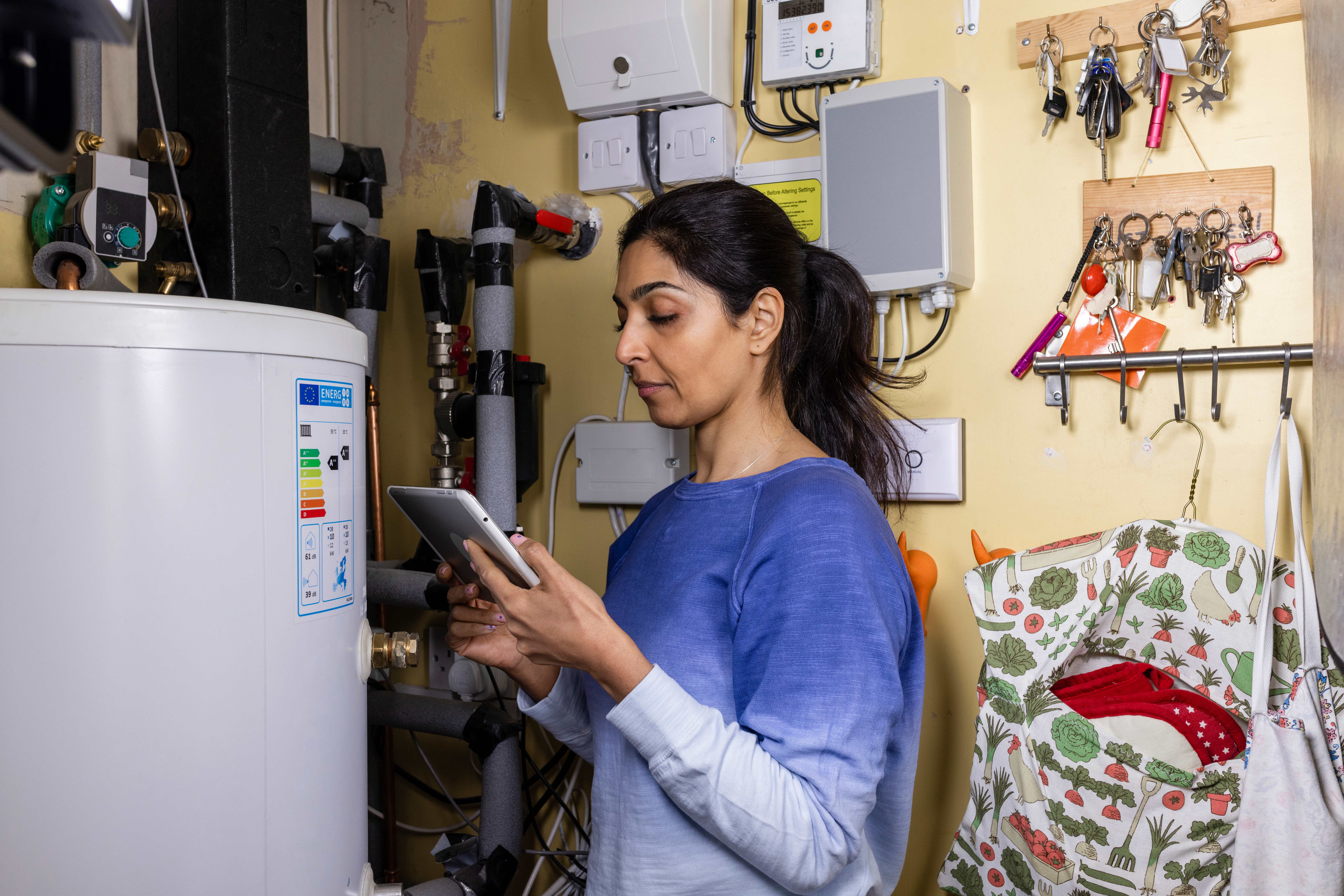
The Angie, LA homeowners’ guide to boiler installation services

From average costs to expert advice, get all the answers you need to get your job done.