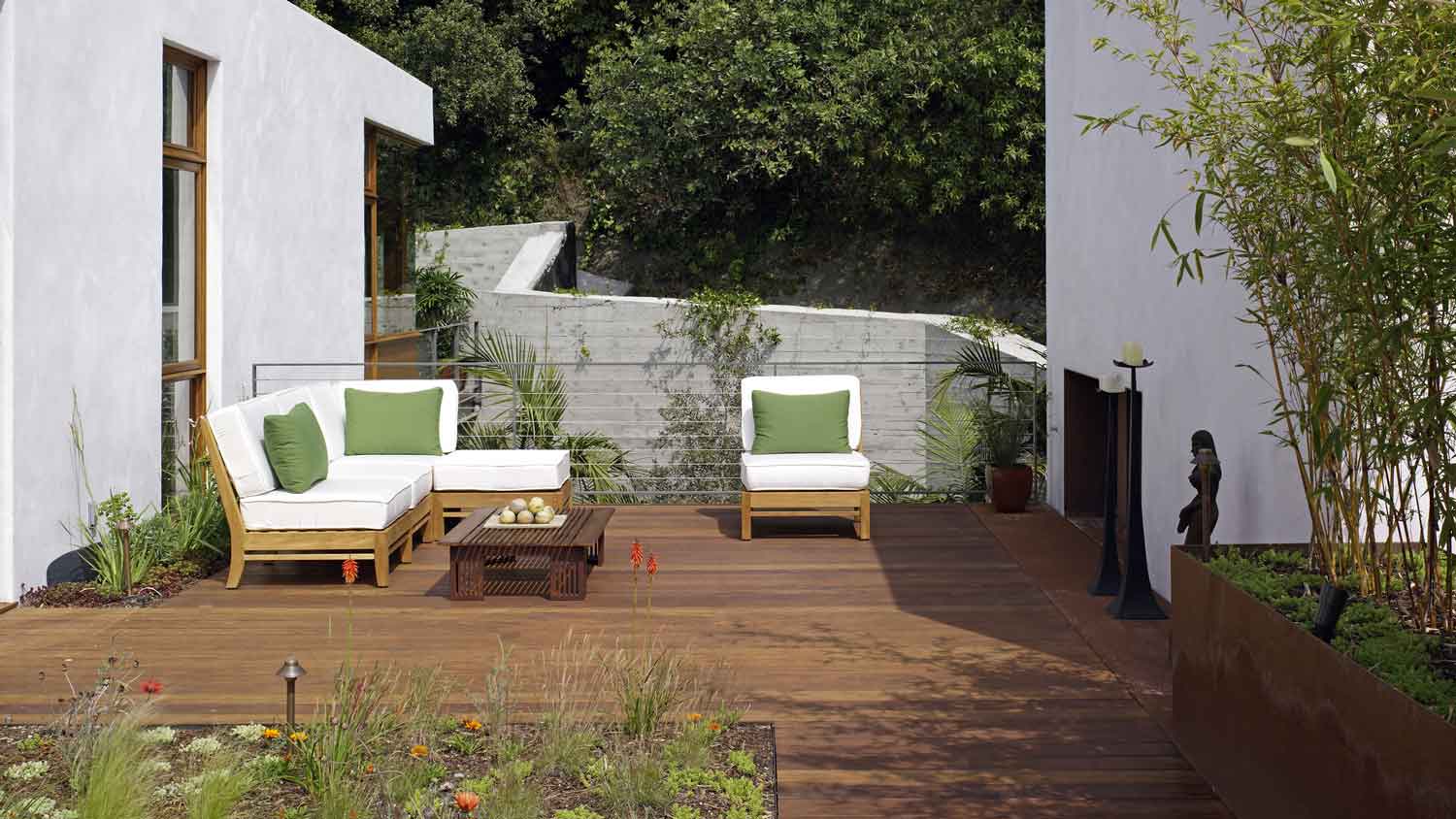






Top-rated deck cleaning pros.

Get matched with top deck cleaning pros in Angie, LA

Enter your zip and get matched with up to 5 pros

Need a pro for your deck cleaning project in Angie, LA?

Select your specific project to find the pro for you.

Find Deck cleaning pros in Angie

Showing 1-10 of 44
Deck Cleaning questions, answered by experts

The most likely causes of a deck leaning to one side are damaged deck posts, soil erosion, and inadequate deck footings. If you’re not sure about the exact cause, the best option is to call a contractor who can build a deck to inspect the damage and recommend the best way forward.

Yes, deck pier blocks can be used as an alternative to traditional deck footings, especially for smaller or low-to-the-ground decks. Unlike poured concrete and buried post footings, deck blocks do not require digging or pouring. However, their use is dependent on local building codes. Some areas, particularly those prone to high winds, earthquakes, or hurricanes, may not permit the use of deck pier blocks. It is essential to consult your local building codes before choosing them for your deck project.

It’s best to prime composite decking before painting. This promotes better paint adhesion, helps create a smooth finish, and can mean the paint job will last longer. Always follow the manufacturer’s instructions for application, allow ample primer drying time before painting (typically 24 to 48 hours), and thoroughly clean the deck boards to promote the best adhesion.
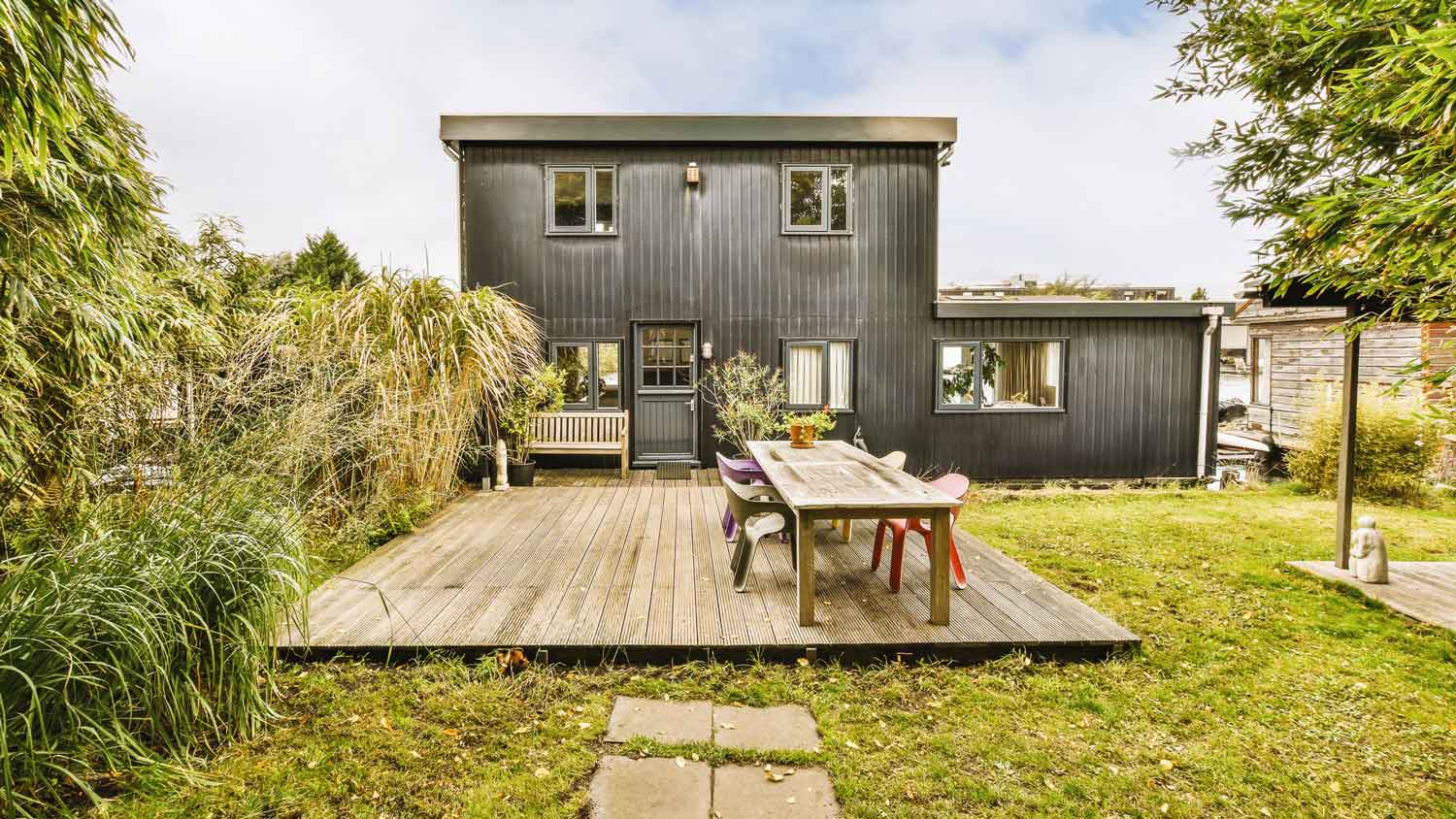
The best base materials for a ground-level or floating deck are typically gravel and crushed stone (also known as landscaping rocks). These options are inexpensive, provide excellent drainage, prevent weeds, and help minimize moisture buildup, which reduces shifting and rotting. For added stability and to evenly distribute the weight, you can use concrete deck blocks or pavers. While more expensive, concrete blocks and pavers offer a sturdier base than gravel or crushed stone alone.
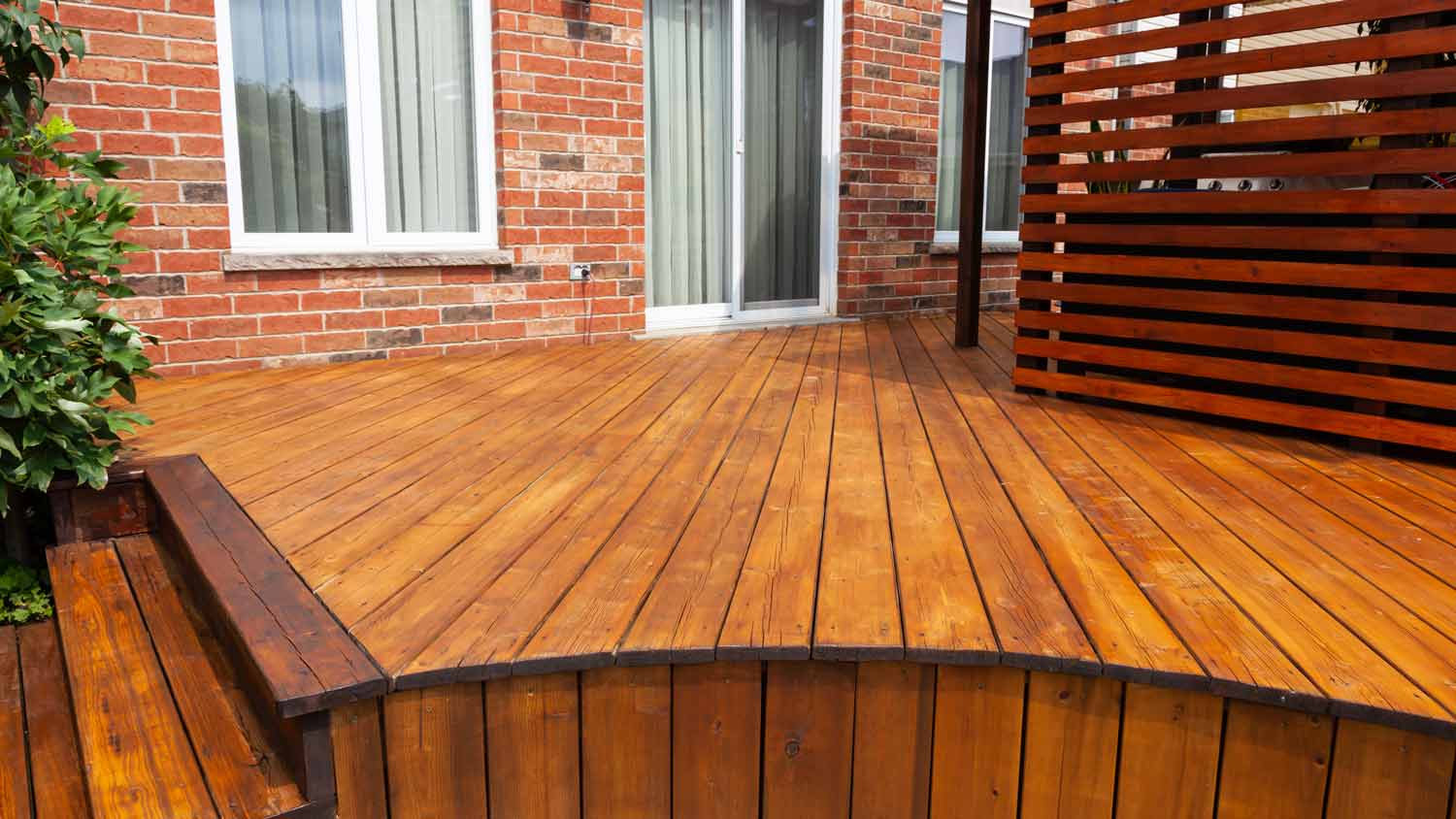
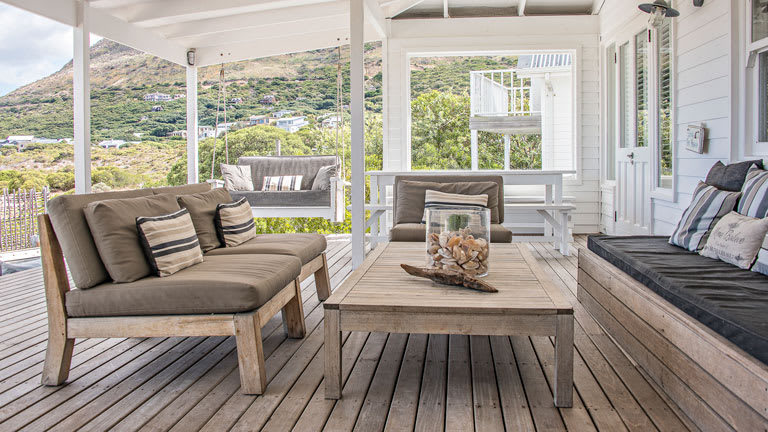
The proper height for a stair riser or deck step is between four and seven inches, with seven inches often considered the most comfortable. Building your stairs to this height ensures a strain-free step position and minimizes the risk of trip and fall injuries. For optimal safety and comfort, especially on deck stairs, a rise of around seven inches should be paired with a tread depth (or run) of at least 10 to 12 inches. While it is possible to design stairs with risers up to 12 inches, this height can be challenging for children, pets, or individuals with mobility issues. Always check with your local building codes, as they may mandate specific dimensions that differ from these general recommendations.

The Angie, LA homeowners’ guide to deck cleaning services

From average costs to expert advice, get all the answers you need to get your job done.