

Top-rated driveway sealcoating pros.

Best driveway sealcoating pros near Anacoco, LA

Enter your zip and get matched with up to 5 pros

Need a pro for your driveway sealcoating project in Anacoco, LA?

Select your specific project to find the pro for you.

Top-Rated Driveway sealcoating pros in Anacoco - Updated Nov 2026

Avatar for Pavement Maintenance Unlimited, LLC
Pavement Maintenance Unlimited, LLC
4.8(
4
)
Asphalt SealingAsphalt Sealing- For Business

Serving Anacoco, LA and surrounding areas

Approved

In business since 1997

Free estimates

Credit card accepted

"Mike R was a delight to work with. Answered all calls and texts promptly, honest and experienced. His crew was fantastic. They were professional, courteous and hardworking. They had to adjust to using their equipment in a tight space and did it with ease. The job encountered an obstacle and Mike stuck to our agreed budget and fixed the problem. Such a pleasure to work with overall and the driveway looks great. Very happy customer"
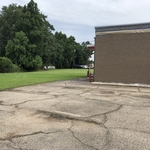
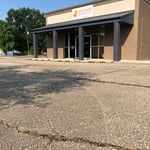
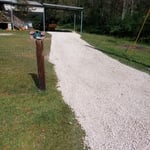
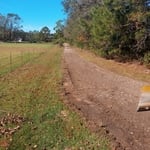
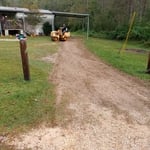
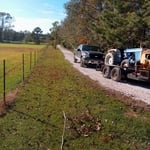
Side Lot
Front Lot
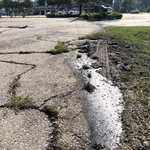
Shoulder
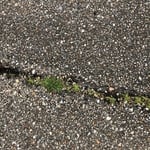
Unprepared Crack
Shoulder

+8

Response time4 days
Recommended by100%of homeowners
Driveway Sealcoating FAQs, answered by experts

Ideally, you should seal your driveway when there won’t be rain for several days, but at a minimum, there can’t be rain for at least 24 hours. If it rains shortly after you seal your driveway, the water can wash away the sealer and render your work useless. You’ll have to wait for your driveway to dry out and try applying again. Note that some sealers—like oil-based sealers or specialty fast-drying sealers—may cure faster. Ask your contractor for information on timing before the install, and if there’s rain in the forecast, postpone the job.

New asphalt goes through two stages: drying and curing. Drying typically takes 24 to 72 hours, after which the surface is solid enough for light use like walking or careful driving. While you may be able to park on it after 72 hours, the surface is still soft and should be treated gently. Full curing is a much longer process, taking anywhere from 30 days to a full year for the asphalt to reach maximum strength. During this extended curing period, the asphalt is susceptible to damage from heavy vehicles, sharp objects, and high temperatures. Factors like weather, the specific asphalt mix, and application thickness all influence drying and curing times. For the most accurate timeline and to ensure the longevity of your new asphalt, it is always best to consult with your installation contractor for their specific recommendations.

Costs depend on the extent of damage, material costs, labor, and whether resurfacing is needed.

The three most common types of asphalt are hot asphalt, MC cold mix, and UPM asphalt. Hot asphalt is used most often for paving and patching roadways while it’s hot and workable. MC cold mix asphalt cures more slowly than hot asphalt, but it can be used for temporary patches and repairs in low-traffic areas. UPM is also used cold, but it can be used as a longer-term fix, usable in almost any conditions at almost any temperature.

Instead of a set number of types, asphalt comes in variations designed for different needs. Some are categorized by temperature—hot mix, warm mix, and cold mix. Others are sorted by composition, like dense-graded, gap-graded (such as Stone Matrix Asphalt), porous, and mastic asphalt. There are also modified versions with added compounds like polymers, rubber, or emulsions. Instead of focusing on a number, it may be more useful to understand how contractors customize asphalt for durability, climate, and traffic conditions.

The Anacoco, LA homeowners’ guide to driveway sealcoating

From average costs to expert advice, get all the answers you need to get your job done.