
Top-rated tree service pros.

Best tree service pros near Vine Grove, KY

Enter your zip and get matched with up to 5 pros

Need a pro for your tree service project in Vine Grove, KY?

Select your specific project to find the pro for you.

TRUSTED BY VINE GROVE, KY HOMEOWNERS

  • Average homeowner rating star icon4.8
    Average homeowner rating
  • Verified reviews icon133
    Verified tree services reviews

Top-Rated Tree service pros in Vine Grove - Updated Nov 2026

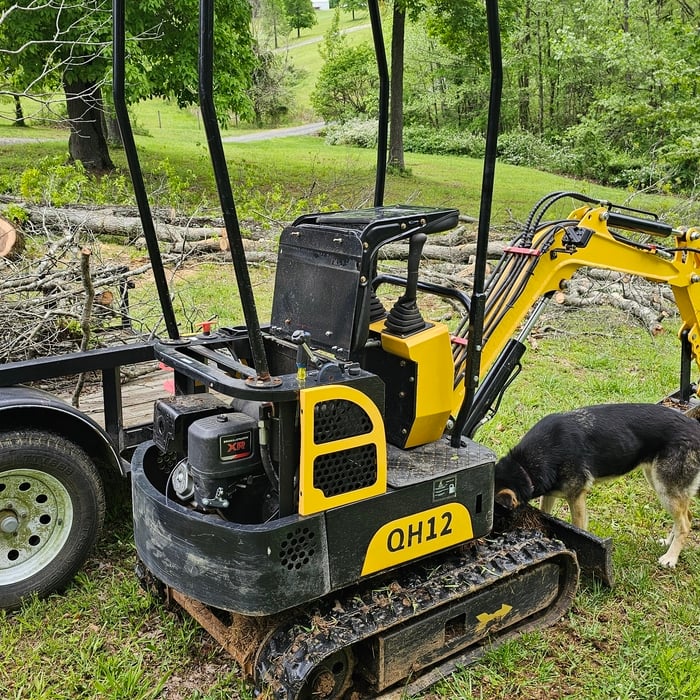
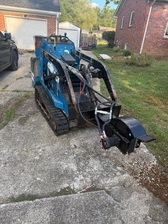
Highline Excavation
New to Angi
Tree RemovalTree Stump - RemoveTree Trimming

Serving Vine Grove, KY and surrounding areas

Approved

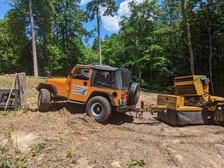
Hi, I'm Isaiah, owner of Highline Excavation. I provide dependable excavation services throughout Owensboro, Bowling Green, Henderson, Evansville, and the surrounding areas. Whether you need a building pad, grading/sloping, trenching, gravel driveway installation or repair, land clearing, small demolition, or junk removal, I show up on time, work hard, and treat every job like it's my own property. If you're looking for honest work, fair pricing, and someone who takes pride in doing the job right the first time, I'd love the opportunity to earn your business. Reach out for a free estimate!\n

...
Showing 1-10 of 97
Tree Service FAQs, answered by experts

Yes, healthy and well-placed large trees can boost property value by an average of 3% to 15%. They improve curb appeal, offer energy savings through shade and wind protection, and are often considered by appraisers during home valuation. On the flip side, removing dead or hazardous trees can also increase value by eliminating safety risks. For the biggest return, choose low-maintenance, native species that thrive in your climate.

Yes, it’s okay to trim low branches on a tree, also known as limbing up or raising the crown. Essentially, you’ll trim the lower third of the tree (trunk) and leave the upper two-thirds of the tree (crown). Arborists recommend trimming 20% of a tree’s leaves per season for two to three seasons. Trimming low branches allows light to flow through the tree, increasing circulation and making the tree stronger and healthier.

Unless there’s some sort of rule in your community’s homeowners’ association that requires you to remove a stump, there’s no law that says you have to take it out. If you’re not wedded to the idea of removing it, there are plenty of ways to get creative with this tree remnant. Using the stump as the medium for a wood carving or turning it into a planter are just two examples of ways to repurpose a tree stump.

Absolutely. These steps are significantly easier, too, especially when it comes to preserving the root ball and moving the palm tree. However, you will want to make sure the tree has plenty of fertilizer to establish itself and start growing. Supports may also be more important, as it can take extra time for a potted palm to spread out its roots. If you are transferring a palm to another pot, you’ll want to move up a size or two to a larger pot. Make sure the pot has excellent drainage to keep the palm from getting waterlogged.

You need to remove all branches affected by Dutch elm disease. If your tree has several affected branches, you will probably need to remove the entire tree. First, consult a pro to be sure that you’ve correctly identified it as an elm tree. Make sure the tree is properly disposed of with a plastic covering or through debarking, chipping, or burning.

The Vine Grove, KY homeowners’ guide to tree services

From average costs to expert advice, get all the answers you need to get your job done.