




Top-rated paving pros.

Get matched with top paving pros in Stanford, KY

Enter your zip and get matched with up to 5 pros

Need a pro for your paving service project in Stanford, KY?

Select your specific project to find the pro for you.

TRUSTED BY STANFORD, KY HOMEOWNERS

  • Average homeowner rating star icon4
    Average homeowner rating
  • Verified reviews icon15
    Verified paving services reviews

Find Paving pros in Stanford

Avatar for Johnson's Sealcoating & Asphalt Restoration
Johnson's Sealcoating & Asphalt Restoration
5.0(
3
)
Asphalt Paving - Repair or PatchGravel or Loose Fill Paving - Install, Spread or ScrapeAsphalt Paving - Repair or Patch - For Business

Serving Stanford, KY and surrounding areas

Approved

In business since 2025

Free estimates

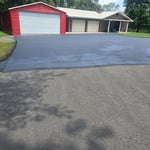
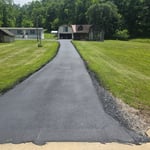
"Henry does a great job sealing our driveway! We’ve used him several times over the years and have always been happy with his work. He’s dependable, does quality work, and is easy to work with. It’s nice having someone you can trust and call back whenever the driveway needs to be done. Would definitely recommend to anyone!!"
Blacktop
Blacktop
Blacktop
Blacktop
Built-in desk and vinyl

+1

20 neighbors recently requested a quote
Avatar for Precision Services
Precision Services
4.3(
22
)
Gravel or Loose Fill Paving - Install, Spread or Scrape

Serving Stanford, KY and surrounding areas

In business since 2013

Free estimates

Credit card accepted

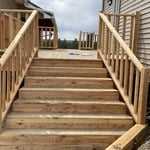
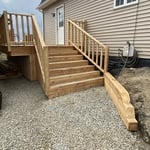
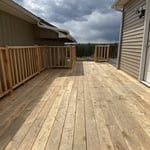
"The deck is beautiful and well constructed. In addition to building the deck, Bobby, the owner, designed and installed custom gates with aluminum spindles for my back yard entrances. He also advised on landscaping the area with a different variety of bushes and trees. Making sure the deck lasts is a priority for Precision Services, so I was told how to treat and protect the deck wood. Not that I really need to know that information, because I plan to contact them for the job when the time comes. Overall, my family and I are very pleased with the quality of work done by Precision Services. If there was an issue, they fixed it immediately. They were very professional and polite workers. I would definitely recommend them for anyone looking for work to be done in and around their home."
Additional Photos
Additional Photos
Additional Photos
Additional Photos
Additional Photos

+42

Recommended by78%of homeowners
Showing 1-10 of 44
Paving Services questions, answered by experts

Outdoor kitchens get wet and are sometimes next to pools. To avoid accidents, go with a non-slip material like concrete, brick, or rubber. Avoid materials like ceramic and porcelain, as they are known to be quite slippery. Wood and composite flooring can be slippery if untreated, so make sure to stain or finish these materials.

Generally speaking, tiles are for indoor use, while pavers are for outdoor use. The main difference between travertine tiles and pavers is their thickness. Tiles are around 1/2 inch thick, and pavers are 1 1/4 inches to 2 inches thick.
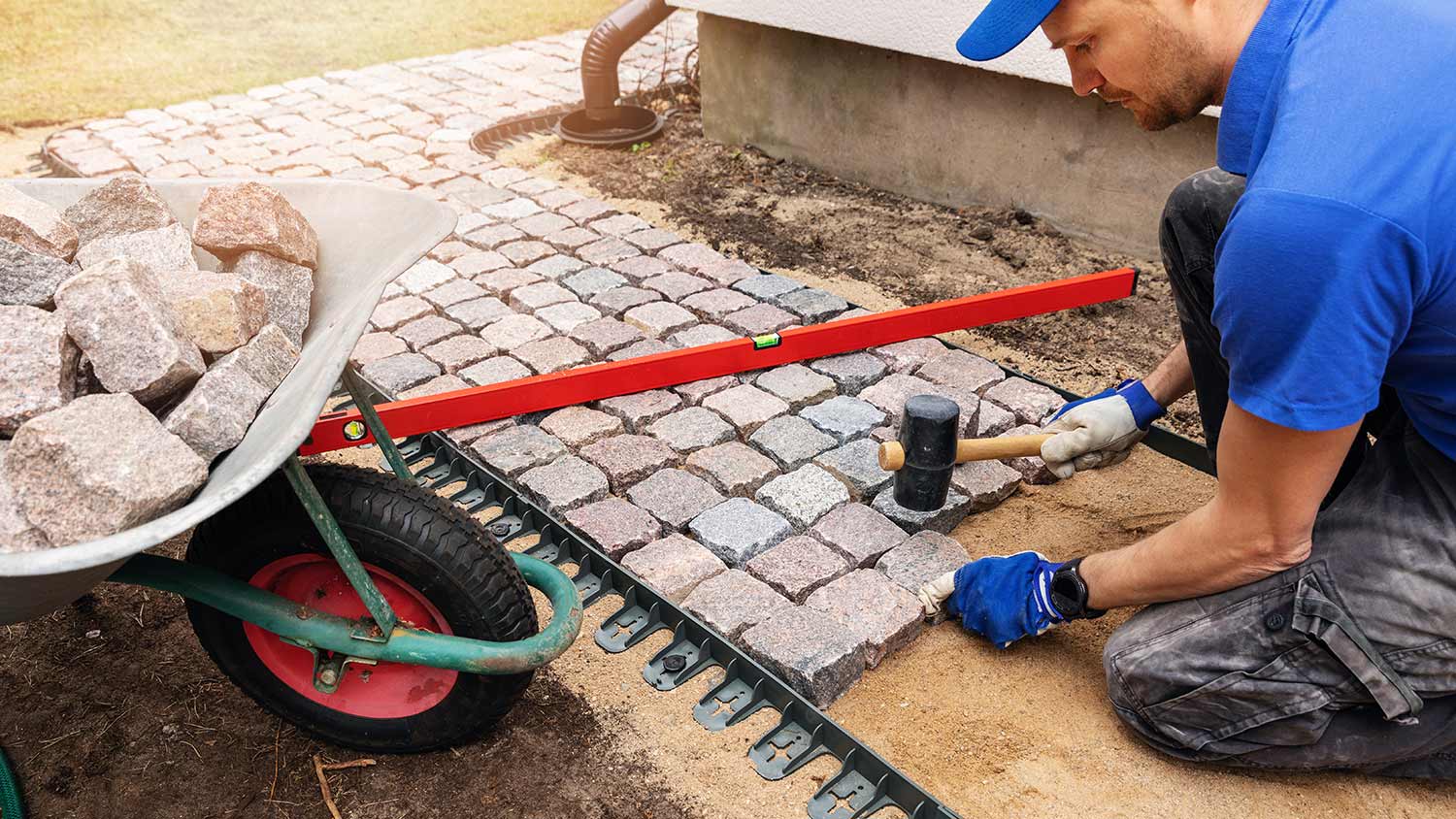
Pavers are more rugged and can handle different weather. The extra thickness on pavers also makes them ideal for high-traffic areas.

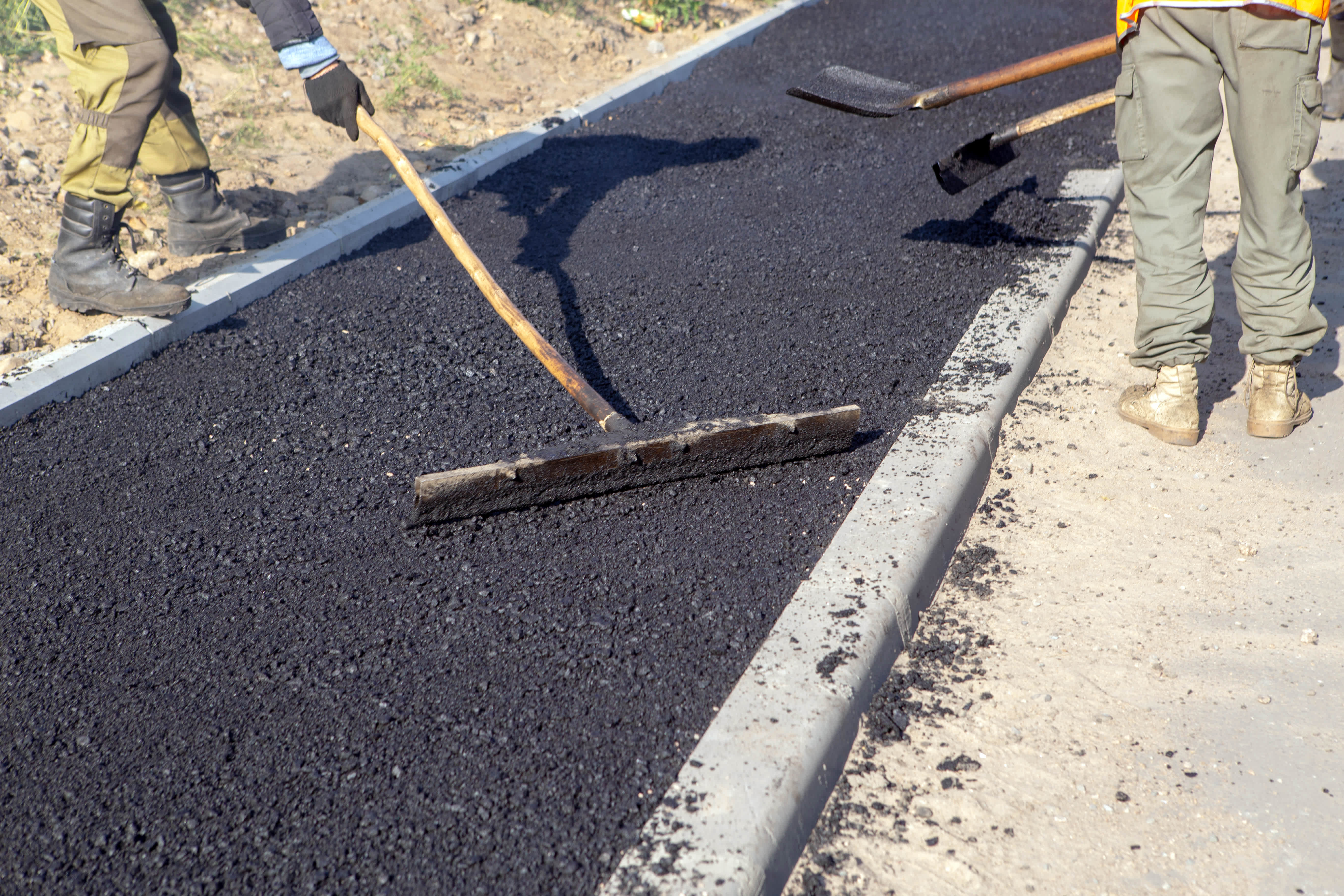
An asphalt driveway should be at least 3 inches thick over a compacted gravel base. Areas with poor drainage should have a thicker stone base. To install a new asphalt driveway over an existing driveway, the new asphalt should be at least 2 inches thick and the existing driveway should be in relatively good condition.

You can pour concrete over asphalt if it’s in good condition, thick, stable, and well-compacted. Concrete is more durable than asphalt and can extend the lifetime of your driveway without having to pay frequent asphalt driveway repair costs or replace it completely. 

But this is best reserved as a temporary solution based on budget restraints, as asphalt requires more frequent repairs and assessments than concrete. Once that concrete top is poured, it’ll be harder to accurately understand what’s happening beneath that layer, which could lead to more issues.

To adhere pavers to concrete, you can use either mortar or a concrete-specific adhesive. For border pavers, a polyurethane-based adhesive is a good choice as it expands and contracts with temperature changes, keeping them firmly in place. For the non-border pavers, polymeric sand is used between the joints to prevent shifting. In most cases, it is also recommended to lay a permeable sand layer below the pavers to ensure proper stability and drainage. Before starting, always take the proper preparatory steps for a professional result.

The Stanford, KY homeowners’ guide to paving services

From average costs to expert advice, get all the answers you need to get your job done.