

Top-rated paving pros.

Best paving pros near Smiths Grove, KY

Enter your zip and get matched with up to 5 pros

Need a pro for your paving service project in Smiths Grove, KY?

Select your specific project to find the pro for you.

Top-Rated Paving pros in Smiths Grove - Updated Nov 2026

Avatar for Elite Hardscapes
Elite Hardscapes
5.0(
16
)
Interlocking Pavers for Patios, Walks & Steps - Install

Serving Smiths Grove, KY and surrounding areas

Approved

In business since 1990

Free estimates

Credit card accepted

"Incredible craftsmanship and detail for, porch, front walkway, driveway retaining wall, and brick column repair. Cannot rate them high enough on attention to detail, communication, and work site management."
Multi level patio
Multi level patio
Multi level patio
Landscape Make-Over
Landscape Make-Over

+21

Response time1 day
Response rate91%
7 neighbors recently requested a quote
Avatar for Bo Harrison's Paving
Bo Harrison's Paving
5.0(
2
)
Asphalt Paving - InstallAsphalt Paving - Install- For BusinessAsphalt Paving - Repair or Patch

Serving Smiths Grove, KY and surrounding areas

Approved

In business since 2013

Free estimates

Credit card accepted

"Super fast call back time! I submitted around 8 pm and within seconds he was calling my phone! Very responsive! I didn’t even have measurements and got on google something and had measurement adequate enough. He gave a quick and fair quote! Even threw in replacing the culvert free if I just bought the culvert."
Driveway
Driveway
Driveway
Driveway
Asphalted driveways

+4

Response time3 days
...
Showing 1-10 of 51
Paving Services FAQs, answered by experts

Asphalt and tarmac are not the same thing. Traditional tarmac, short for tarmacadam, uses tar as a binder to hold crushed stone together. Asphalt uses bitumen—a byproduct of crude oil—to bind aggregate. Though tarmac was once a go-to for roads, asphalt has become the modern standard. And these days, most surfaces referred to as “tarmac” are actually asphalt. So, while the names may overlap, the key distinction lies in the binder—tar for tarmac and bitumen for asphalt.

The recommended minimum amount for a paver base is 4 inches. From there, it depends on the kind of traffic the pavers will see and the current soil conditions. Two inches of paver base won’t create the amount of stability and support that pavers need to remain securely in place over time.

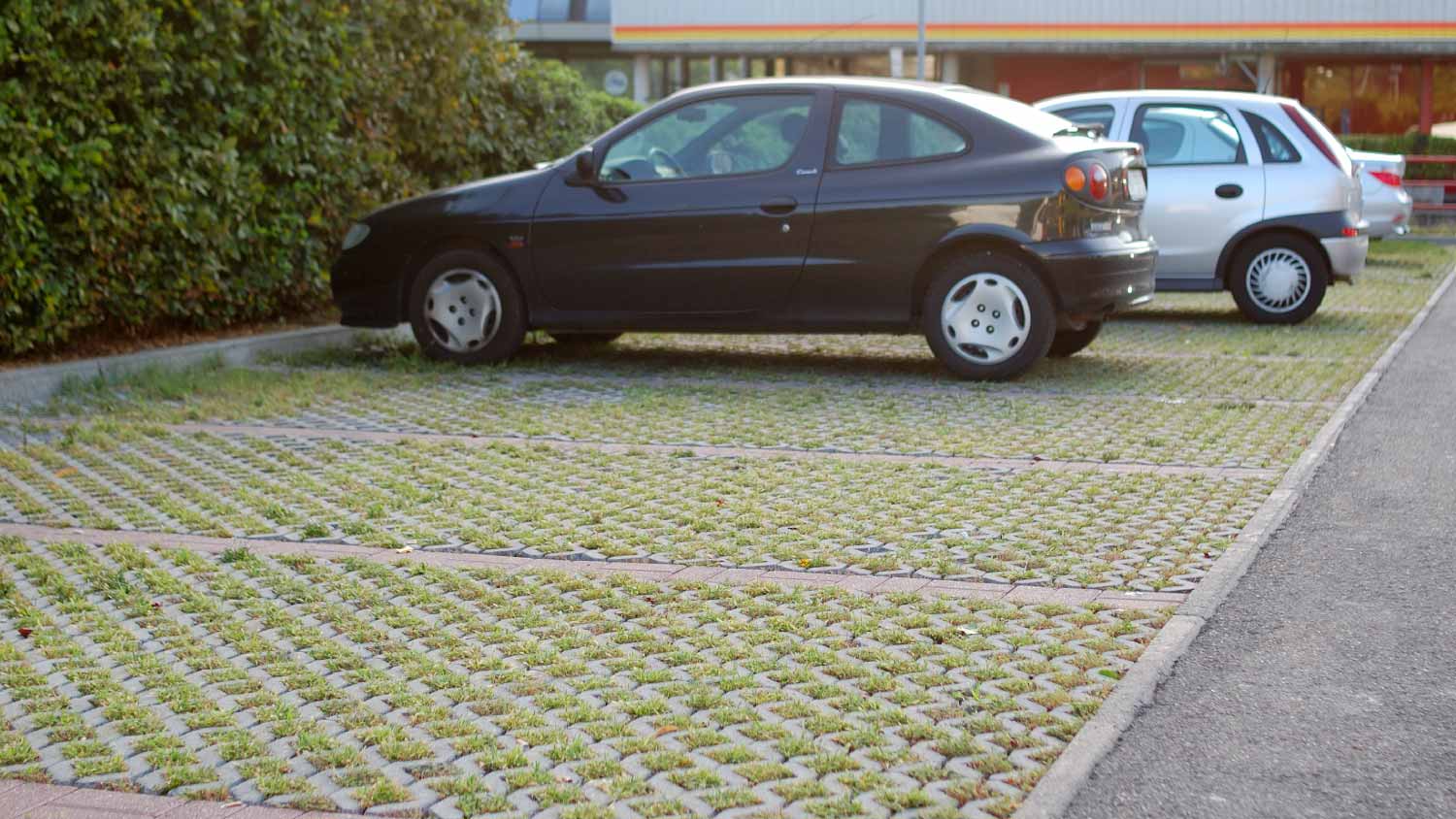
Interlocking pavers offer a number of advantages over regular pavers. For instance, they’re more durable, more resistant to shifting, and easier to repair. There are also permeable options that allow for drainage. However, interlocking pavers are more often more expensive than regular pavers and are prone to growing weeds over time.

The dimensions of a driveway apron vary based on local building codes, the width of your driveway, and the distance between the driveway and the road. On average, aprons range from 12 to 24 feet wide and 8 to 18 feet long. Typically, the end of the apron connected to the driveway matches its width—such as 10 to 12 feet for a single-car driveway—while the end at the street flares out to allow cars to turn in and out more easily. In some areas, you may not be responsible for the portion of the apron that extends beyond the sidewalk, but this depends on local laws.

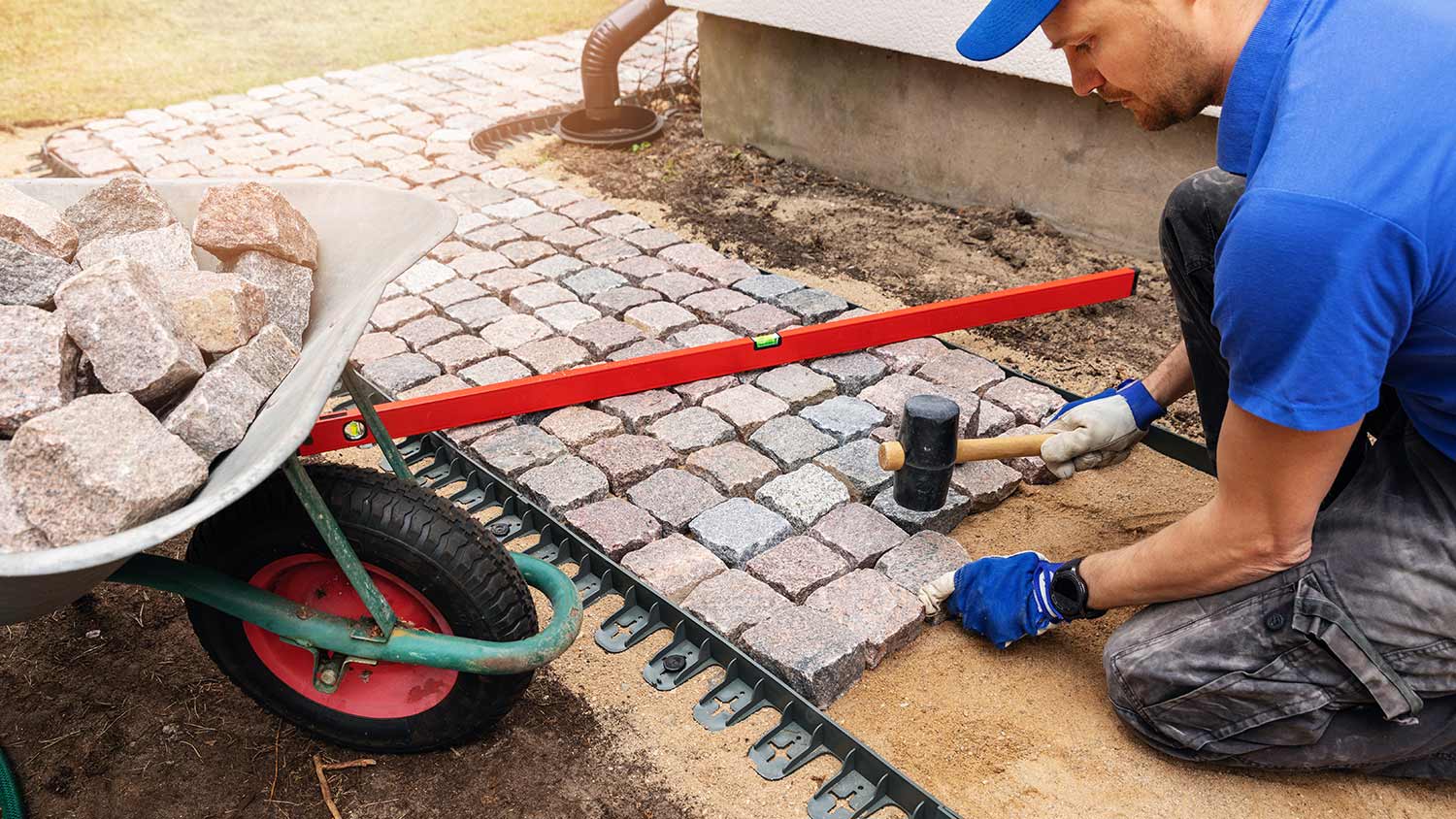
You’ll first need to install a base underneath your pavers for extra stability and drainage. Otherwise, the pavers can sink into the ground, and you’ll have to reinstall them. Use a base gravel layer of 4 to 6 inches for walkways and 10 to 12 inches for driveways. Compact your gravel layer every 2 to 4 inches so it’s nice and solid. After you install your gravel base, apply a 1-inch layer of sand on top.

The Smiths Grove, KY homeowners’ guide to paving services

From average costs to expert advice, get all the answers you need to get your job done.